
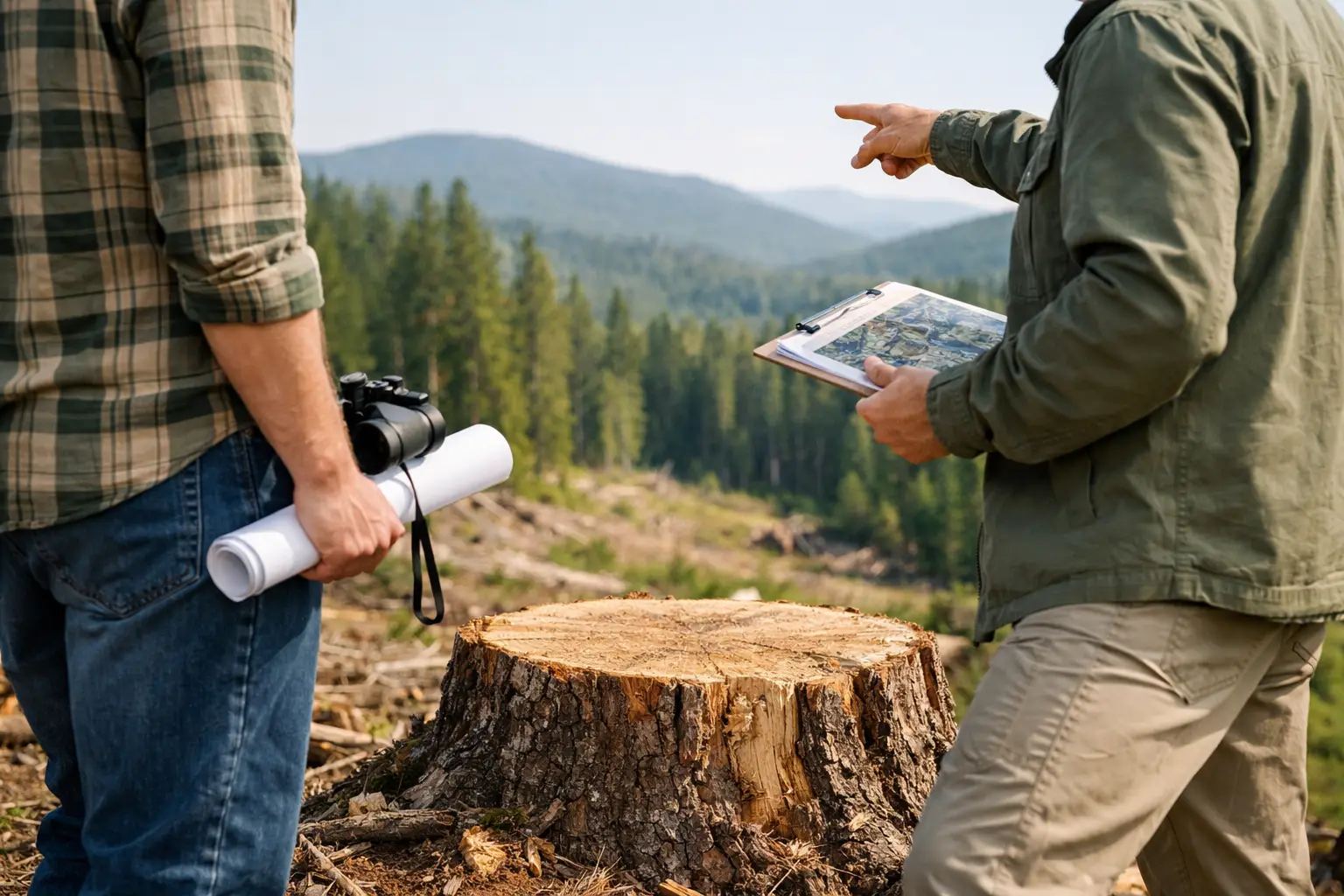
A timber tract can look simple at first glance – trees, acreage, maybe a dirt road and a gate. But when you start comparing timberland for sale, the details matter fast. The right property can serve as a long-term investment, a recreational retreat, a future homesite, or a mix of all three. The wrong one can leave you with access problems, unexpected costs, or land that does not fit your plans.
That is why timberland deserves a different approach than a standard vacant lot. Buyers are not just evaluating acreage. They are evaluating tree value, terrain, usability, local rules, and what the land could become over time.
Why timberland for sale attracts so many buyers
Timberland appeals to several kinds of buyers at once, which is part of its strength. Some people want a private place for hunting, camping, or weekend use. Others are thinking like investors and looking for a land asset with future harvest potential. Some buyers want a large rural property they can hold now and build on later.
That flexibility is a major reason timberland stays attractive. Unlike a narrow-use property, timberland can often support more than one goal. A parcel might offer recreational use today, selective timber income later, and long-term appreciation as land becomes harder to find in the right areas.
Still, not every wooded parcel is true timberland in a practical sense. A small overgrown lot with no merchantable trees is very different from acreage with managed stands, internal trails, and strong access. The listing category can get you pointed in the right direction, but buyers need to look deeper.
How to evaluate timberland for sale
The first question is not just how many acres the property has. It is what those acres can actually do for you.
Timber quality and species matter
If income potential is part of your plan, the trees themselves need close attention. Species, age, density, and overall health all affect value. Pine plantations, mixed hardwood tracts, and unmanaged natural growth can each have appeal, but they do not price or perform the same way.
A tract with mature, marketable timber may command a higher price upfront. That can make sense if the trees are part of the investment case. Younger timber may offer a lower entry point but require patience. If your main goal is recreation or privacy, the exact timber mix may matter less than coverage, terrain, and access.
This is one of those areas where it depends on your timeline. A buyer planning to hold for 15 years may see value differently than someone who wants immediate use or short-term resale potential.
Access is a make-or-break issue
A beautiful wooded parcel loses value quickly if legal access is weak. You want to confirm whether the property has direct road frontage, a recorded easement, or some other reliable path in and out. Do not assume a visible trail or existing gate means access is legally protected.
Usability matters too. A steep, rough entrance may be fine for occasional hunting trips but frustrating for regular use, logging equipment, or future construction. If you plan to bring in an RV, build a cabin, or improve the land over time, practical access becomes even more important.
Topography affects both value and use
Trees can hide a lot. A property that looks uniformly wooded in photos may include ravines, wetlands, flood-prone areas, or steep slopes that limit what you can do. Topography influences harvest costs, road building, drainage, and where improvements can go.
Flat to gently rolling land is often easier to use and maintain, but steeper terrain may still be attractive for privacy, views, or hunting. The key is matching the land to the intended use instead of assuming all timber acreage works the same way.
Boundaries and acreage should be verified
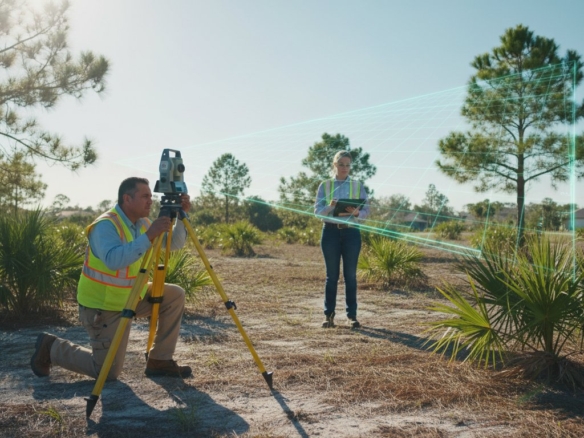
Timberland can be larger, more remote, and less visibly marked than other property types. That makes boundary clarity especially important. Survey information, corner markers, fencing, and GIS maps can help, but buyers should know exactly what is being sold.
This matters for more than peace of mind. Boundary issues can affect timber harvest plans, neighboring use conflicts, and future resale. If the tract has not been surveyed recently, that is worth reviewing early in the process.
The biggest questions buyers should ask
Before making an offer, buyers should look beyond the listing price and ask what ownership will really involve.
One key question is whether the land is intended for passive holding or active use. Timberland that sits untouched may have lower short-term maintenance needs, but buyers still need to think about taxes, road upkeep, boundary management, and liability. If you plan to hunt, cut trails, harvest timber, or build improvements, those costs and responsibilities increase.
Another question is whether zoning and local regulations align with your plans. Some buyers see timberland and immediately picture a cabin, a homestead, or an off-grid getaway. That may be possible, but it is never automatic. Counties and municipalities can have rules on dwellings, septic systems, minimum lot sizes, timber harvest activity, and road requirements.
Water is another practical issue. Does the property have creeks, seasonal water flow, wetlands, or no visible water source at all? For recreation, this may shape wildlife activity and land enjoyment. For future building, it may affect well planning, septic placement, and overall feasibility.
Timberland as an investment
Many buyers are drawn to timberland because it feels more tangible than other investments. You are buying a real asset with physical utility, not just a line on a statement. That appeal is real, but buyers should stay grounded about what returns may look like.
Timberland is usually a long-game asset. Appreciation may come from location, scarcity, improving demand, timber growth, or future land use potential. Income can come through timber harvests, hunting leases, or eventual resale, but none of those are guaranteed on a specific timeline.
The strongest timberland investments tend to be properties with multiple exit paths. A tract that has solid access, appealing acreage, usable terrain, and desirable location may attract recreation buyers, investors, and future rural homeowners. That broader appeal can matter as much as the standing timber.
Buyers also need to factor in carrying costs. Property taxes, insurance considerations, maintenance, and due diligence expenses can shift the real cost of ownership. A cheaper parcel is not always the better deal if it comes with major limitations or weak resale appeal.
Finding the right fit in the right market
Location shapes nearly everything with timberland. The same acreage can have very different value depending on the state, county, road access, proximity to towns, and local buyer demand. Some areas are stronger for hunting and recreation. Others are better for long-term timber production or future development.
This is where a land-focused marketplace helps. On a site like BuyVacantLand.com, buyers can narrow opportunities by land type, state, and intended use rather than sorting through house-heavy listings that treat vacant land like an afterthought. That makes it easier to compare timber properties with the right context in mind.
Buyers should also be honest about how far from home they want to own land. A remote tract may look like a bargain, and sometimes it is. But distance affects how often you will use it, how easily you can inspect it, and how practical ongoing management will be. For some buyers, that trade-off is worth it. For others, a smaller property closer to home delivers more real value.
A smart buying mindset for timberland
The best timberland purchases usually come from clear priorities, not impulse. Start with your main use case. Is this a recreation property, an investment hold, a future homesite, or a blend of those goals? Once that is clear, the property becomes easier to judge.
A parcel does not need to be perfect to be a strong buy. Maybe the timber is younger than ideal, but the access is excellent. Maybe the terrain is rugged, but the hunting value is strong. Maybe the land is not ready for immediate building, but it offers affordability and long-term upside. The point is to know which compromises you can live with and which ones will cost you later.
When you shop timberland with that mindset, you stop chasing acres for the sake of acres. You start looking for utility, flexibility, and a property that matches your plan.
If you are serious about buying timberland, slow down just enough to ask the hard questions early. The right tract can give you room to invest, explore, and build something lasting on your own terms.

Join The Discussion