
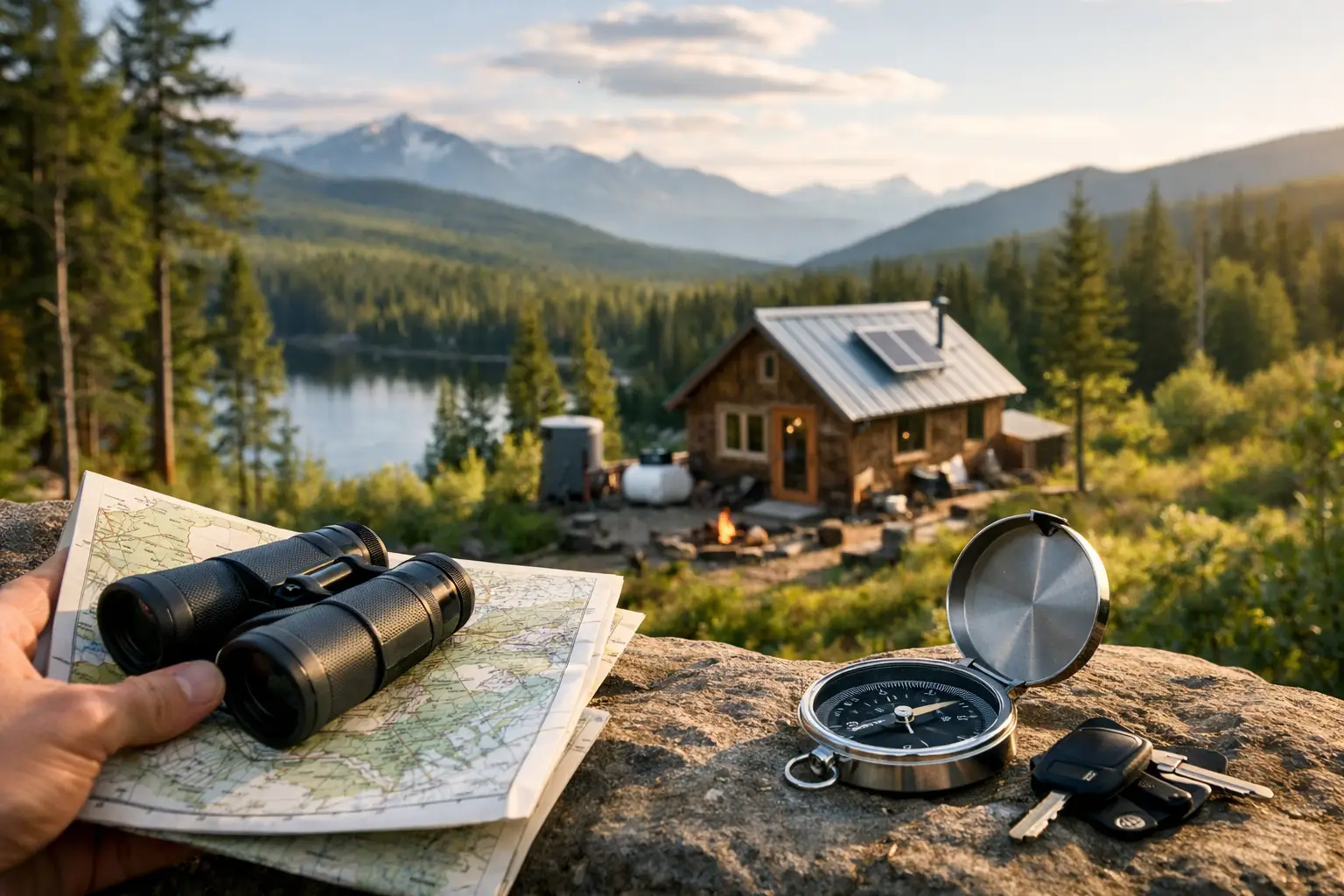
A cheap parcel in the mountains can look like the perfect off grid property for sale – right up until you learn the road is seasonal, the well may cost $25,000, and the county won’t allow the use you had in mind. That does not mean off-grid land is risky by default. It means the best deals go to buyers who know what to check before they make an offer.
For many buyers, off-grid land represents freedom, lower carrying costs, recreational access, or a future homestead. For others, it is a strategic way to buy into real estate at a lower entry point than a house or improved property. Either way, the opportunity is real. The key is separating land that is truly usable from land that only looks affordable on the surface.
What buyers really mean by off grid property for sale
Not every off-grid parcel is the same. Some properties are fully remote and have no nearby utilities at all. Others are simply outside city services but still close enough to connect to power later. That distinction matters because it affects cost, financing, build timelines, and long-term usability.
In practical terms, off-grid property usually means land that is not currently connected to public utilities such as electric, water, sewer, or sometimes even paved road access. Buyers are often planning to use solar, generators, water storage, wells, septic systems, composting toilets, propane, or other independent systems. That can be a great fit for people who value privacy, self-reliance, and flexibility. It can also mean more planning and more due diligence upfront.
A strong purchase starts with matching the property to your actual goal. A weekend hunting retreat has different requirements than a retirement homestead. An investor looking for appreciation may care more about location trends and access than whether the parcel can support livestock next year. The clearer your intended use, the easier it is to spot the right land.
Start with use, not price
Buyers often begin with budget, which makes sense, but use should come first. A low-priced parcel is only a good deal if it supports what you want to do with it. If your plan is to camp occasionally, your checklist may be simple. If you want to build a cabin, drill a well, install septic, and live there seasonally or full time, the property needs to clear a much higher bar.
Ask yourself a few basic questions before you search. Will you need year-round access? Are you comfortable hauling water at first, or do you need a reliable well plan? Are you looking for complete isolation, or would you rather have a rural setting within reach of a small town? Those answers shape everything from state selection to acreage size to financing options.
This is where a land-focused marketplace can save time. Instead of sorting through general real estate listings built around homes, buyers can narrow their search by land type, region, and use case. On https://buyvacantland.com, that kind of focused search helps buyers compare vacant land opportunities with fewer distractions and more relevance.
The five factors that matter most
Access can make or break the deal
Access is one of the biggest filters for off-grid land. Legal access and physical access are not always the same thing. A parcel might have a recorded easement but still be difficult to reach in wet weather, snow, or certain seasons. It might also require a high-clearance vehicle, road maintenance agreements, or shared use with neighboring owners.
Before buying, confirm how the property is accessed, whether the route is public or private, and whether it is passable year-round. If your plan involves building materials, RV use, or frequent travel, rough access can become a major cost and convenience issue.
Water is often the biggest unknown
Many buyers focus on solar first, but water is usually the more expensive and uncertain utility question. Depending on the area, your options may include drilling a well, hauling water, collecting rainwater where allowed, or using cisterns and storage tanks.
The challenge is that water feasibility varies widely by region and parcel. A neighboring well does not guarantee the same result on your land. Well depth, production, permitting, and drilling costs can change the economics of a property fast. If water is essential to your plan, research local well trends and county rules before you move forward.
Zoning and land use rules still apply
Off-grid does not mean regulation-free. Counties and municipalities may still control dwelling type, minimum square footage, septic requirements, RV occupancy, manufactured homes, agricultural use, camping duration, and permit standards.
This is where many buyers get surprised. The land may look perfect for a small cabin or seasonal RV setup, but local rules may restrict those uses. Always verify zoning and ask specifically about your intended use rather than assuming rural means unrestricted.
Terrain affects cost more than buyers expect
A parcel with great views may come with steep grades, rock, flood concerns, or clearing costs. Flat land is not automatically better either. Low-lying areas can create drainage challenges, and heavily wooded sites may require substantial site work.
Topography affects roads, foundations, septic placement, water runoff, and building cost. Even if you are not building right away, terrain still influences resale appeal and future options. Photos help, but maps, county data, and on-site visits give a much clearer picture.
Power alternatives are practical, but not free
One major advantage of off-grid land is that you are not dependent on the local utility grid. Solar systems, battery storage, propane, and backup generators can make rural living realistic in ways that were much harder years ago. But buyers should not confuse independence with zero setup cost.
The right system depends on climate, shade, energy needs, and intended use. A small recreational setup is very different from powering a full-time home, workshop, water pump, and climate control. If utility extension is possible, compare the cost of going fully off-grid with partial grid connection rather than assuming one path is always cheaper.
Financing an off-grid land purchase
Financing can be one of the biggest differences between buying land and buying a house. Raw or unimproved land often has stricter lending standards, larger down payment requirements, and fewer traditional loan options. Off-grid parcels can be even more niche because lenders may see them as harder to value or resell.
That does not mean financing is out of reach. Many buyers use cash, land loans, or owner financing when available. Owner financing can be especially attractive for buyers who want flexibility, faster closings, or an easier path than a conventional bank loan. The trade-off is that terms vary, so buyers need to review rates, down payments, balloon payments, and default terms carefully.
If you are financing, get clear on your budget early. Include not just the purchase price, but also survey needs, closing costs, road work, utility setup, site prep, permits, and annual taxes. A parcel that looks affordable on paper may require a much larger real-world budget to make it usable.
How to judge value in off-grid land
Valuing vacant land takes a different mindset than valuing homes. There is no remodeled kitchen or finished square footage to anchor the price. Instead, value comes from location, access, usability, nearby demand, zoning flexibility, natural features, and future potential.
That is why two similarly sized parcels can have very different market value. One may have easier access, cleaner title, buildable terrain, and better county rules. The other may be cheaper but require years of additional cost and effort.
When comparing an off grid property for sale, look beyond price per acre. Ask what that acre actually gives you. Is it private but reachable? Buildable? Recreationally strong? Close enough to a growing market to support future resale? Good land buyers think in terms of utility, not just acreage.
Red flags worth taking seriously
Every rural market has parcels that are cheap for a reason. Sometimes the issue is minor and manageable. Sometimes it changes the deal completely. Watch for unclear access, unresolved title issues, floodplain concerns, unpaid taxes, restrictive covenants, failed perc history, or parcels surrounded by public land assumptions that are not actually true.
There is also a difference between inconvenience and disqualification. A rough road may be acceptable for a hunting property. It may be a deal killer for someone planning retirement living. The right lens is not whether a property is perfect. It is whether the limitations fit your goals and budget.
Why the right search platform matters
Finding off-grid land on a general home-search site can be frustrating. Filters are usually built for bedrooms, bathrooms, and square footage, not road access, owner financing, or recreational use. That makes it harder to compare land on its own terms.
A marketplace focused on vacant land gives buyers a better shot at finding parcels aligned with how they actually plan to use them. That matters when you are sorting through rural properties where details like access, use category, and financing structure often matter more than curb appeal.
The best off-grid purchase is not always the cheapest parcel or the most remote one. It is the property that fits your plan, your budget, and your timeline without unpleasant surprises after closing. If you approach the search with clear priorities and careful due diligence, off-grid land can be more than a dream category. It can be a practical path to ownership, recreation, investment, or a life with a little more room and a lot more choice.



Join The Discussion