
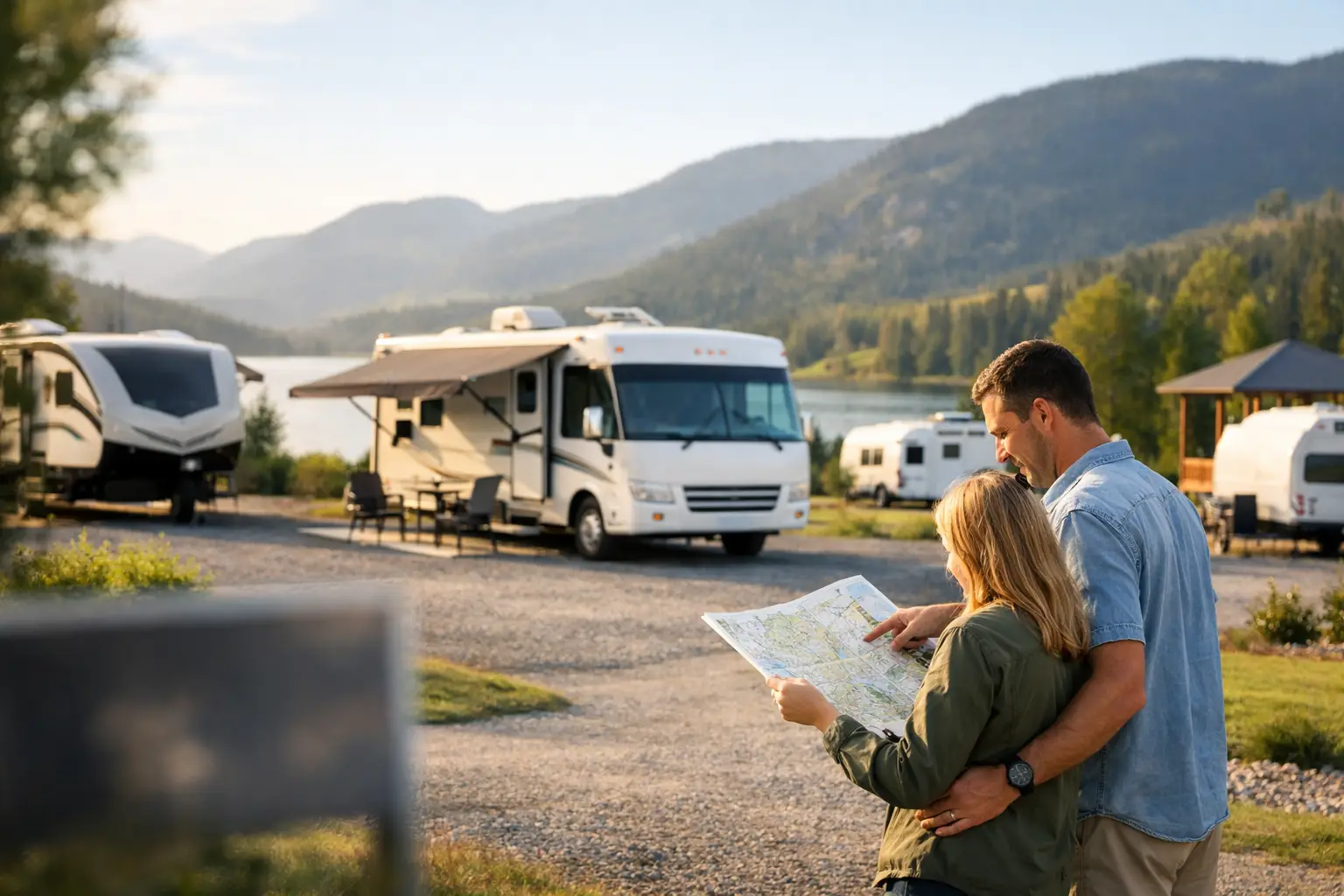
Some RV lots look affordable until you ask the questions that actually matter. A low sticker price can hide HOA rules, utility limits, seasonal access problems, or zoning that does not match how you plan to use the property. That is why buyers searching for rv lots for sale need to think beyond the listing headline and focus on how the lot will work in real life.
For some buyers, an RV lot is a lifestyle purchase. It is a place to park near the lake, spend winters in a warmer climate, or create a reliable home base for travel. For others, it is a small land investment with income or resale potential. Both approaches can make sense, but the right lot for a snowbird is not always the right lot for an investor or a full-time RVer.
What makes RV lots for sale worth considering?
RV lots appeal to buyers because they can offer a more affordable path into land ownership than larger residential or recreational tracts. In many markets, you are not paying for a house, major structures, or large acreage. You are buying utility, location, and flexibility.
That flexibility is a big part of the appeal. Some lots sit inside established RV resorts with paved roads, hookups, and shared amenities. Others are simple vacant parcels in rural areas where the value comes from privacy, access, and the chance to create your own setup. One buyer may want a gated community with a clubhouse and predictable maintenance. Another may want an off-grid lot with fewer rules and more elbow room. Neither is better across the board. It depends on how you plan to use the property and how much management you want.
There is also a practical advantage to buying within a land-focused marketplace. General real estate sites often mix homes, commercial properties, and land in a way that makes RV-specific searching harder than it should be. A land-first platform like BuyVacantLand.com makes it easier to sort by land type, location, and intended use so buyers can compare actual lot opportunities instead of digging through unrelated inventory.
Start with use case before price
A lot of buyers begin with budget, which is understandable, but your intended use should come first. If you get that wrong, even a cheap lot can become an expensive mistake.
Vacation use
If the lot is mainly for weekend trips or seasonal stays, convenience matters more than many first-time buyers expect. Long drive times, poor road conditions, and difficult RV access can wear off the excitement fast. In this case, a smaller lot in a stronger location may serve you better than a larger lot that is harder to reach.
Full-time or extended living
If you plan to spend months at a time on the property, focus on utilities, local ordinances, mail service, emergency access, and weather. Some areas are friendly to long-term RV occupancy. Others limit how long an RV can be used as a residence, even if you own the land.
Rental or resale potential
If your angle is investment, ask what future buyers or renters will care about. Is the lot near a destination people return to every year? Are there community amenities that help support value? Are there annual fees that could hurt demand? The best investment lot is not always the one with the cheapest upfront price. It is the one with the strongest balance of usability, market appeal, and holding costs.
Where location matters most
Everyone knows location affects real estate value, but with RV lots it affects usability just as much.
Climate is one of the first filters. Buyers looking for winter escapes often focus on southern states where usage is more predictable during colder months. Buyers seeking mountain or lake access may accept seasonal limitations in exchange for scenery and recreation.
Then look at the immediate area. A lot can be in a popular state and still be in the wrong pocket of that state. Check proximity to fuel, groceries, medical care, dump stations, repair services, and attractions you actually plan to use. A remote lot can be a great fit if privacy is the goal. It can also become inconvenient if every basic errand takes an hour.
Road access deserves close attention too. Confirm that your RV can reach the property without tight turns, low clearances, weak bridges, or roads that become difficult after rain. Buyers sometimes assume access because a parcel has frontage, but frontage and practical RV access are not always the same thing.
The biggest due diligence items to check
A good RV lot purchase usually comes down to a few core questions. If any of them are unclear, slow down.
Zoning and occupancy rules
This is the first checkpoint. Can you legally use the lot for RV parking, seasonal stays, or full-time occupancy? Some counties are flexible. Some are strict. Some private communities add their own rules on top of local zoning. Always confirm both the public rules and any private restrictions.
Utilities and hookups
Power, water, and sewer can dramatically change both cost and convenience. A full-hookup lot may command a higher price, but it can save time and money later. On a raw parcel, bringing in utilities may be possible, but not always cheap or simple. Ask what exists now, what is permitted, and what installation could realistically cost.
HOA or resort fees
Community RV lots often come with dues, maintenance fees, or special assessments. Those fees may be worth it if they cover road upkeep, security, amenities, and common-area maintenance. Still, you need to know the true monthly or annual carrying cost before buying.
Lot dimensions and RV fit
Do not assume any RV lot works for any rig. Measure your RV length, slide-out needs, tow vehicle space, and turning radius. Then compare that with the lot layout, not just the lot size on paper. A narrow or oddly shaped lot can feel much smaller than the acreage suggests.
Flood risk and drainage
Flat land can look ideal for parking, but poor drainage can create real headaches. Review flood-zone information and look for signs of standing water, erosion, or washouts. A lot that is hard to use after every heavy rain is not much of an opportunity.
How to compare price the smart way
When buyers evaluate rv lots for sale, the smartest comparison is not just price per lot. It is price relative to usable value.
A $25,000 lot with power, water, sewer, and easy access may be a better buy than a $15,000 parcel that needs thousands in improvements before you can use it. The same goes for community lots with fees. A higher-priced lot in a well-kept park may hold value better than a cheaper lot in a poorly managed location.
Market comparisons help, but land is highly local. Two RV lots in the same county can vary widely based on views, road quality, utility setup, and restrictions. Look at what nearby lots are listed for, but also ask why they are priced differently. Often the answer is hidden in the details.
Common mistakes buyers make
One of the biggest mistakes is buying based on photos alone. Land can photograph well and still have issues with slope, access, drainage, or neighboring uses. Another mistake is assuming all RV-friendly areas allow the same style of occupancy. They do not.
Buyers also sometimes overlook exit strategy. Even if this is a personal-use purchase, think ahead. Would this lot appeal to future retirees, travelers, or investors? A property that is easy to understand and easy to use is often easier to resell.
Finally, do not ignore financing. Some RV lots can be purchased with cash more easily than they can be financed through traditional lenders, especially if the parcel is vacant and unimproved. That is why owner financing can be attractive in this category. It can open the door to buyers who want to move now instead of waiting to fit a narrow lending box.
A better way to shop for RV lots for sale
The process gets easier when you search with clear filters. Start with state or region, then narrow by intended use, budget, utility needs, and community type. A buyer looking for a seasonal lot in Florida has a very different checklist than someone looking for a quiet rural RV parcel in the Southwest.
That is where a specialized land marketplace stands out. Instead of sorting through houses, condos, and generic vacant parcels, you can focus on property types that align with how you actually plan to use the land. That saves time, but more importantly, it helps you compare opportunities on the factors that affect ownership the most.
The right RV lot should make your plans easier, not more complicated. If a property fits your travel style, your budget, and the local rules, it can be more than just a parking spot. It can be a practical foothold in a market where flexibility still matters and land ownership is still within reach.



Join The Discussion