
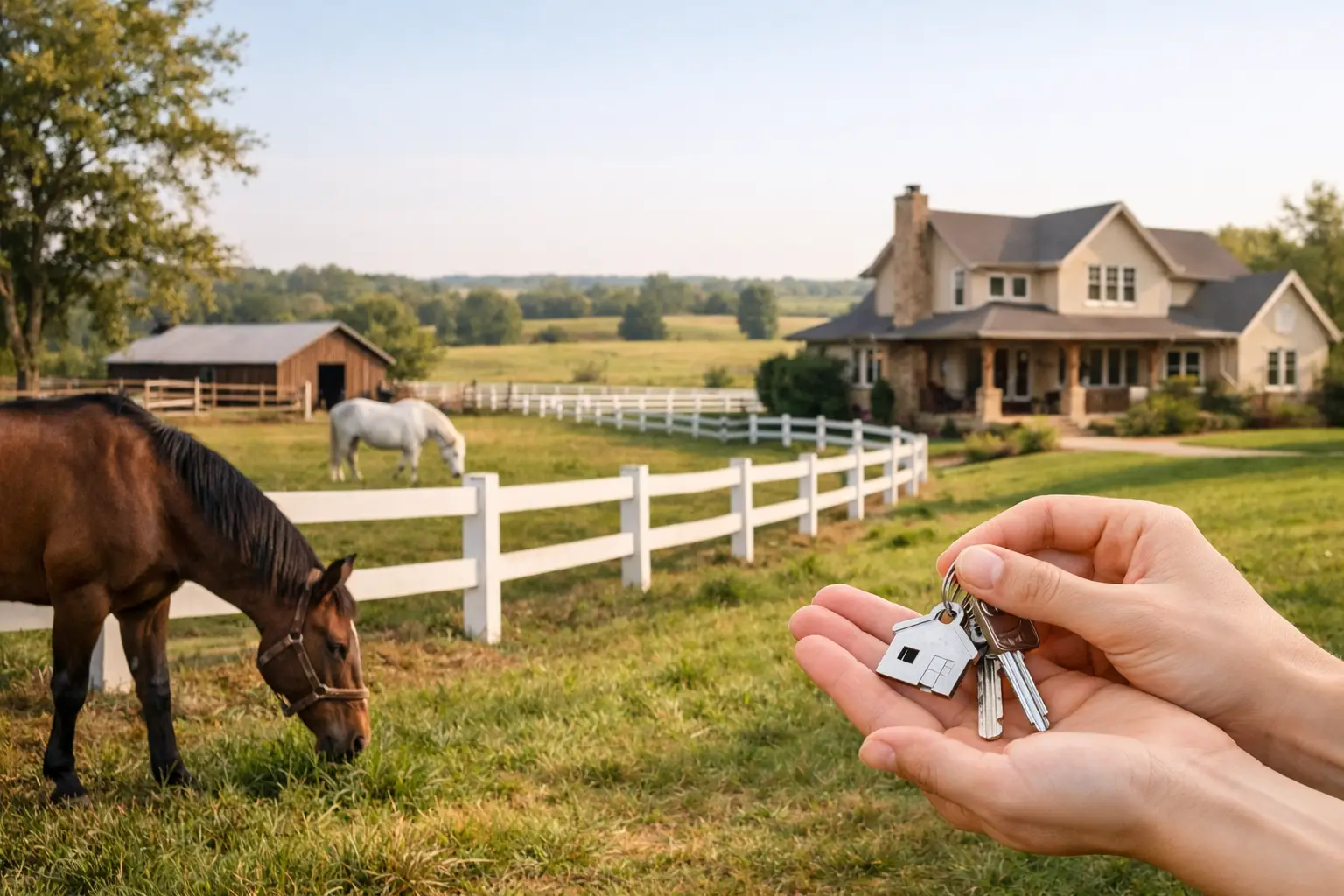
A good-looking parcel can fall apart fast once you picture daily horse care on it. The gate may be too narrow for a trailer, the grass may look strong but offer poor grazing, or the acreage may be large on paper and awkward in practice. If you are shopping for horse property with acreage, the smart move is to look past the romance and focus on how the land will actually work.
That matters whether you want a few horses for personal use, a small boarding setup, or a long-term rural investment. Horse properties sit at the intersection of land value, infrastructure, and lifestyle. When the fit is right, you get room to ride, flexibility to build, and an asset with real utility. When the fit is wrong, you can end up with expensive improvements, daily inconvenience, and limits you did not see coming.
What makes horse property with acreage work
Not every rural parcel is horse-ready just because it has open space. Acreage is only part of the equation. The real question is whether the land supports movement, shelter, water access, feed storage, equipment use, and safe containment.
A smaller property that is well laid out can outperform a much larger tract with steep slopes, poor drainage, or fragmented usable space. Five to ten functional acres may work well for a modest setup in some markets, while a larger property may be necessary if you want rotational grazing, more distance between structures, or room to expand. The number itself matters less than the usable footprint.
Topography is one of the first things to study. Flat or gently rolling land is usually easier for barns, turnout areas, and vehicle access. Steep ground can still have value, especially in scenic areas, but it may reduce the amount of land you can realistically use for horses. Wet areas create another challenge. Mud is not just annoying – it can affect hoof health, damage pasture, and make routine chores harder year-round.
Start with zoning, access, and legal use
Before you get attached to a property, confirm that horses are actually allowed and that the intended use matches local rules. Some parcels are zoned agricultural or rural residential and clearly permit horses. Others may limit the number of animals, restrict commercial boarding, or require setbacks for barns and manure storage.
This is where buyers lose time and money. A parcel may feel perfect until you find out that a neighbor dispute, road access issue, or county rule changes what you can build or how you can operate. If you plan to add an arena, guest quarters, or income-producing equestrian use, check those details early.
Access matters just as much as zoning. A property can be quiet and private but still be difficult for hay deliveries, farriers, veterinarians, and horse trailers. Look at road condition, turnaround space, driveway width, and whether access easements are recorded and dependable. A horse property should be easy to use in all seasons, not just on a dry afternoon showing.
Land layout matters more than raw acre count
When buyers search for acreage, it is easy to focus on total size. But shape and layout often decide whether a property feels efficient or frustrating. Long narrow parcels, divided fields, and heavily wooded tracts may offer less horse utility than the numbers suggest.
Think in terms of zones. Where would the barn sit? Where do turnout paddocks make sense? Is there space for an arena, trailer parking, manure handling, and feed storage without everything crowding together? The best horse properties create a natural flow between these uses.
Fence lines also deserve a close look. Existing fencing can save serious money, but only if it is safe and in good condition. Old barbed wire, weak posts, or patchwork boundaries may become an immediate replacement project. If the land is unfenced, budget that cost up front rather than treating it as a minor add-on.
Pasture quality and carrying capacity
Green grass does not automatically mean productive pasture. Soil quality, grass type, drainage, and grazing management all affect how many horses the land can reasonably support. In some parts of the country, a few acres can sustain limited grazing with careful rotation. In drier regions, much more land may be needed, and feed costs may stay high regardless of acreage.
This is one of those it-depends issues that can change dramatically by state, county, and rainfall pattern. Buyers should think beyond the listing photos and ask what the property can support in a normal year, a wet year, and a dry year. A horse property with acreage should still make sense when conditions are less than ideal.
Water is not optional – it is central
Reliable water access is one of the most important pieces of the puzzle. Horses need a consistent water source, and rural land buyers should know exactly where that water comes from. A private well may be a strong asset, but you need to understand output, condition, and whether it also serves a home or irrigation system. Public water can simplify things in some areas, though it may not always be available on larger rural tracts.
Ponds, creeks, and seasonal water features can add appeal, but they should not be treated as a substitute for dependable infrastructure unless that use is proven and legally workable. In cold climates, winter reliability matters. In hot climates, capacity matters. Water problems are expensive, and they affect the property every single day.
Barns and improvements can help or hurt value
Existing improvements often attract buyers, but they should be evaluated with the same care as the land itself. A barn in the wrong place, a poorly drained run-in shed, or an aging arena with bad footing can create work rather than save it.
Look closely at utility, not just appearance. Is the barn sized for your needs? Is there enough ventilation? Are doors and aisles wide enough for safe movement? Is there room for hay storage away from moisture? Do the structures have power and water where you need them? Useful improvements can shorten your setup timeline and strengthen value. Unusable improvements may need demolition, repairs, or redesign.
If the parcel is mostly vacant, that can actually be an advantage. Many buyers on BuyVacantLand.com prefer land that gives them flexibility to build around their own layout rather than inherit someone else’s compromises.
How to judge value on horse acreage
Horse property pricing can vary widely because buyers are not just paying for acreage. They are paying for a use case. A parcel with practical horse features, legal flexibility, and strong access often commands more attention than a larger but less functional tract.
Comparable sales help, but they should be the right comparables. A standard rural homesite is not the same as a horse-ready parcel. Likewise, premium equestrian estates may distort pricing if your target is a simpler setup with open land and a basic barn footprint. Focus on nearby land sales with similar zoning, similar usability, and similar levels of improvement.
Location still drives a lot of the value. Acreage near growing towns, trail systems, or horse-friendly communities may hold stronger long-term appeal. More remote properties can offer affordability and privacy, but resale may take longer and infrastructure costs may be higher. Opportunity often lives in that trade-off.
Financing and total ownership costs
Many buyers plan around the purchase price and underestimate setup costs. On horse acreage, those costs can stack up quickly. Fencing, shelters, gates, grading, wells, arenas, and access improvements can change the real budget by a wide margin.
Financing can also work differently from a typical home purchase, especially if the property is mostly land or has limited residential improvements. Some buyers use conventional lending when a residence is involved. Others look at land loans or owner financing, depending on the property and seller terms. What matters is building a full cost picture before you make an offer.
That cost picture should include feed storage, insurance, property taxes, maintenance, and seasonal needs. A cheaper parcel is not always the better deal if it requires major upfront work to become horse-usable.
A practical way to shop smarter
The strongest buyers are clear about their end use before they start comparing listings. If you want two horses and a manageable personal setup, your criteria will be different from someone planning lessons, breeding, or boarding. That clarity helps you avoid paying for features you do not need or overlooking land that fits your actual plan.
As you evaluate options, think in this order: legal use, water, access, usable acreage, and improvements. That sequence keeps the decision grounded in function. Photos can sell a feeling, but horse ownership runs on logistics.
A horse property with acreage can give you freedom, utility, and long-term value all at once. The right parcel is not just open land – it is land that supports the way you want to live and use it. When you shop with that mindset, you are far more likely to buy a property that works from day one and keeps working for years ahead.


Join The Discussion