
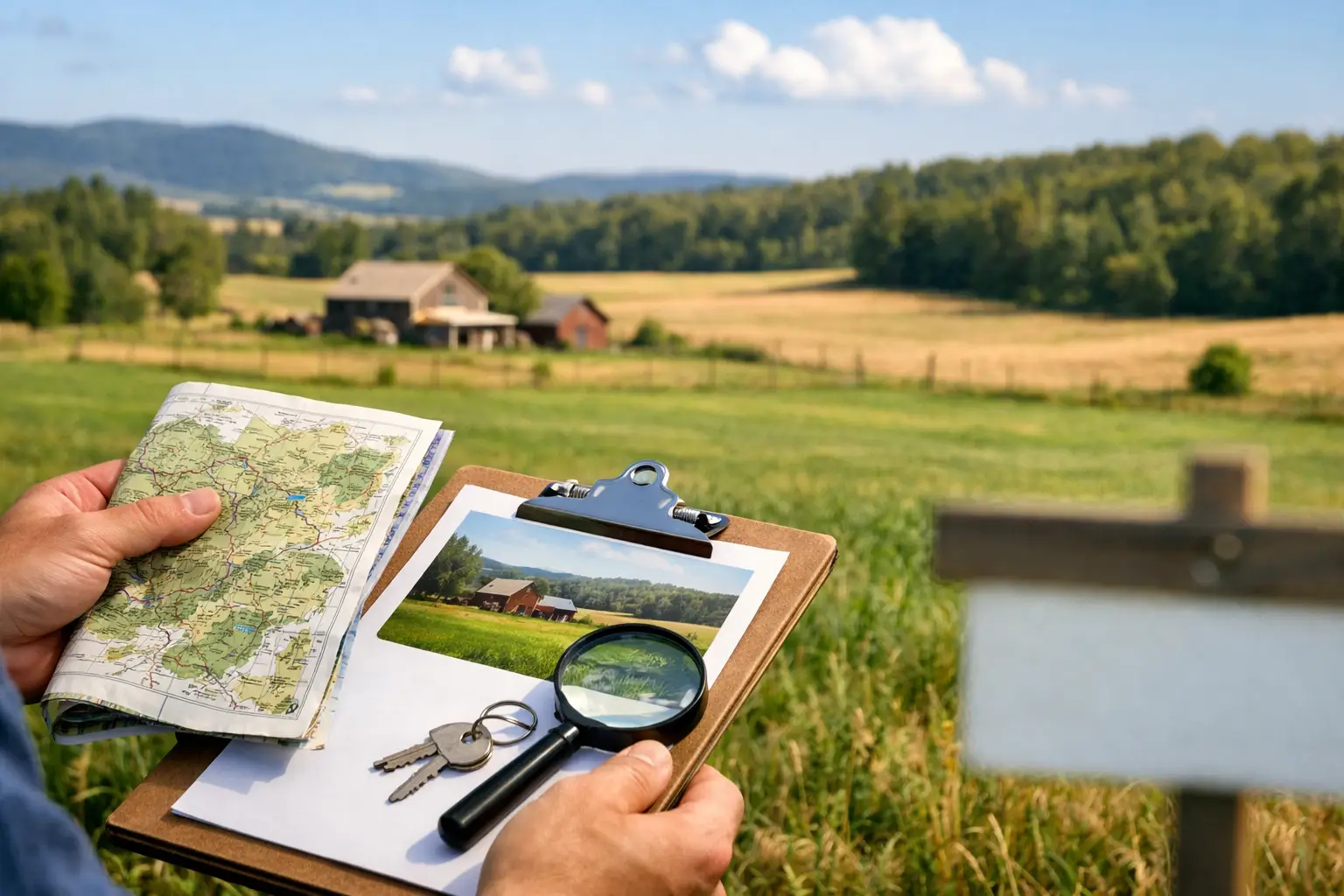
A cheap five-acre parcel can look like the perfect fresh start – right up until you learn there is no legal access, no reliable water, and no realistic place to build. That is why shopping for homestead land for sale takes more than comparing acreage and price. If you want land that can support a home, food production, animals, and a more independent lifestyle, the details matter.
For many buyers, homesteading is part lifestyle goal and part financial strategy. You want room to grow, flexibility in how you use the property, and a piece of land that can hold long-term value. The good news is that good opportunities exist across the country. The catch is that not every rural parcel is actually suited for homesteading.
What makes land good for a homestead
Homestead-ready land is not necessarily the prettiest parcel or the one with the lowest price per acre. It is the land that matches how you plan to live. If you want a garden, a small orchard, chickens, and maybe a few goats, your needs will be different from someone planning a fully off-grid setup with larger livestock and long-term self-sufficiency.
Start with the basics. Water is one of the biggest dividing lines between a workable homestead and an expensive mistake. Some land has a well in place, some has access to public water, and some requires hauling water or investing in rain catchment systems. In certain regions, water rights and well depth can change the economics of a property fast.
Soil matters too. Land can be beautiful and still be frustrating for growing food. Rocky ground, poor drainage, heavy clay, or steep slopes can all limit what you can realistically do without major improvement costs. That does not mean imperfect land is a bad buy. It means you should know whether you are buying a project or a property that is ready to support your goals.
Access is another big one. Year-round road access, legal easements, and proximity to basic services can make daily life much easier. A remote parcel may be exactly what one buyer wants, but if it becomes nearly unreachable in bad weather, that privacy comes with trade-offs.
How to evaluate homestead land for sale
When you look at homestead land for sale, think beyond the listing photos. A property can check the box for acreage and still fail on zoning, usability, or carrying costs. Good land buying is about fit.
Zoning, restrictions, and allowed use
Before you get attached to a parcel, confirm what you can legally do with it. County zoning rules, deed restrictions, and homeowners association requirements can limit livestock, mobile homes, accessory structures, short-term RV use, or even gardening-related outbuildings. If your plan includes a barn, greenhouse, guest cabin, or off-grid setup, verify those uses early.
This is one of the most common issues first-time buyers overlook. They assume rural means unrestricted. Sometimes it does. Sometimes it absolutely does not.
Utilities and infrastructure
Raw land can be a strong opportunity, but development costs need to be part of the math. Power at the road is very different from power already on site. Septic feasibility is not guaranteed. Internet service may be available, slow, or nonexistent depending on the area.
For some buyers, off-grid potential is a plus. For others, it creates cost and complexity they did not budget for. There is no universal right answer here. The right property depends on whether you want convenience now or are willing to build systems over time.
Topography and usable acreage
Ten acres is not always ten usable acres. Flood zones, ravines, dense timber, wetlands, and steep elevation changes can all reduce the area where you can build or farm. Walk the property if possible. If not, review maps, aerial imagery, and county data carefully.
A parcel with fewer acres but better layout can outperform a larger property with major physical limitations. Flat or gently sloped land is often easier and cheaper to develop, especially for first-time homesteaders.
Taxes and holding costs
Land can feel affordable at the purchase price and still become expensive to hold. Property taxes, road maintenance fees, insurance needs, and improvement costs all affect the real carrying cost. If you are buying now and building later, make sure the property fits your budget during the waiting period.
Where value hides in the land market
Many buyers focus only on headline price. Smart buyers look at value per use. The best deal is often not the cheapest parcel. It is the one that supports your plans without forcing major corrective spending.
That is where specialized marketplaces can help. A land-first platform makes it easier to compare rural property by use case, geography, and financing options instead of sorting through home listings that happen to include dirt. If you are serious about homesteading, that kind of focused search can save time and reduce bad leads.
Owner financing can also open doors for buyers who want flexibility. It will not fit every deal, and terms vary, but it can make certain parcels more accessible when traditional lending is limited. Vacant land financing is often different from home financing, so it pays to compare options early rather than after you have found a property you love.
Best locations depend on your version of homesteading
There is no single best state for a homestead. There is only the best fit for your priorities. If low cost is the main goal, you may focus on states with cheaper rural acreage and lower property taxes. If growing food is the priority, climate, rainfall, and soil become much more important. If you want a recreational base with a cabin and seasonal use, access to public land or water may matter most.
The right answer often comes down to balancing four factors: affordability, utility, regulations, and lifestyle. A parcel in a low-cost county may be attractive, but if it lacks water or has restrictive land-use rules, the lower purchase price may not translate into better value.
Think honestly about distance too. A remote county several states away may look great online, but managing improvements, inspections, and future construction from a distance adds friction. Some buyers want a local or regional homestead they can visit often while they plan. Others are willing to buy farther out for better pricing. Either approach can work if the expectations are clear.
Common mistakes buyers make
The biggest mistake is buying land based on imagination alone. A listing can trigger a vision of gardens, livestock, and a quiet life, but land still has to function in the real world. Due diligence is what turns a dream property into a smart purchase.
Another mistake is underestimating setup costs. Fencing, driveways, clearing, septic installation, well drilling, and utility connections add up fast. A bargain parcel can become more expensive than a higher-priced property that already has some infrastructure in place.
Buyers also tend to ignore timeline. If you need to build soon, not all land will support that pace. Permitting, site work, weather, contractor availability, and financing can all slow things down. Some properties are ideal for a long-range plan. Others are better for immediate use.
Finally, do not overlook resale potential. Even if you plan to keep the property for years, life changes. Land with legal access, flexible zoning, and broader appeal is usually easier to resell than a highly limited parcel.
A practical way to narrow your search
Start with your non-negotiables. How much land do you actually need? Do you need water on site? Are animals part of the plan from day one? Do you want owner financing? Are you willing to go off-grid, or do you want power nearby?
Once that is clear, narrow by state, county, and property type. Compare several listings instead of falling for the first one that feels promising. Study not just the land itself, but the area around it. Nearby development, road quality, local services, and county regulations all affect daily life and future value.
This is where a land-focused marketplace such as BuyVacantLand.com can be especially useful. Instead of treating vacant land like a side category, it helps buyers search with the property’s intended use in mind. For homestead buyers, that matters.
A good homestead property is not just empty land. It is land that gives you options. It gives you room to build, grow, adapt, and create something that fits your life – whether that means a simple country home with a big garden or a more ambitious off-grid setup. The best purchase is the one that still looks smart after the excitement wears off.
Join The Discussion