
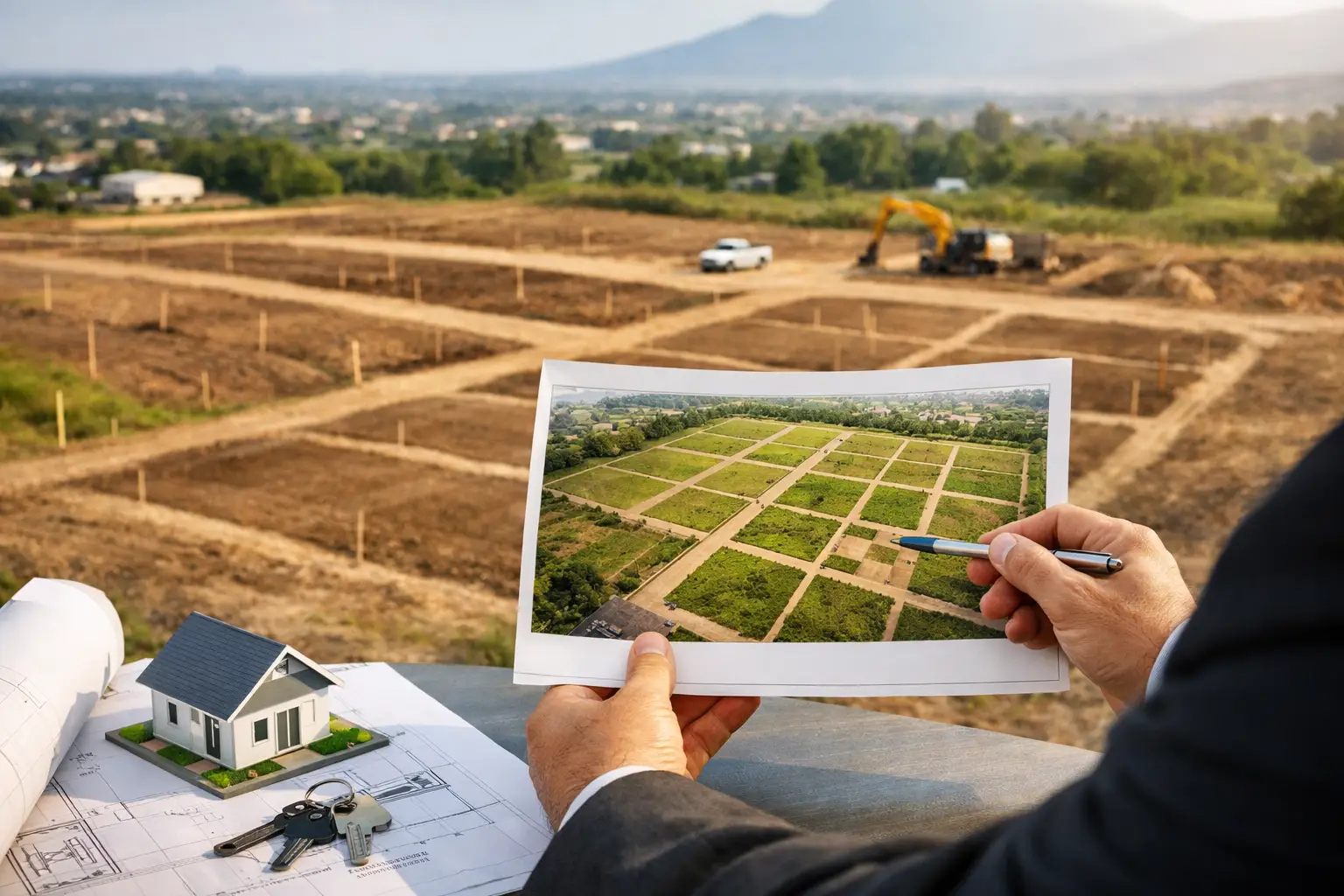
A larger parcel can hold more value than its acreage price suggests. If the location, access, and local rules support smaller homesites or recreational tracts, learning how to subdivide land for profit can turn one difficult-to-sell property into several marketable opportunities. The key is not simply drawing lines on a map. It is creating legal, usable parcels that match what real buyers want in that market.
For land investors, subdivision can be a practical way to improve liquidity, broaden the buyer pool, and create multiple exit strategies. It can also become expensive quickly when road access, septic approvals, utility extensions, surveys, or county requirements are underestimated. A successful project begins with demand and due diligence, not with a guess about how many lots might fit.
Start With the Buyer, Not the Parcel
Before buying land with subdivision in mind, identify the likely end buyer for each future tract. A five-acre rural homesite attracts a different buyer than a 40-acre hunting parcel, a small infill lot, or an off-grid recreational property. Lot size, road frontage, terrain, utilities, and restrictions all need to support the use you plan to sell.
Look at comparable land that has actually sold nearby, not just active listings with optimistic asking prices. Pay attention to parcel size, days on market, road type, power availability, and whether buyers in the area pay a premium for features such as water frontage, mountain views, timber, or proximity to a growing town. If ten-acre tracts sell steadily but two-acre lots sit for months, the best subdivision plan may be fewer, larger parcels.
This is where many investors make their first mistake. They calculate the highest possible number of lots rather than the most profitable and sellable configuration. Maximum density can bring maximum engineering, infrastructure, and approval costs. The right number of lots is the one that leaves room for a healthy margin after every cost and carrying expense is accounted for.
Confirm You Can Subdivide Land for Profit
Subdivision rules are local. County planning departments, city zoning offices, health departments, state agencies, and sometimes homeowners associations may all have a role. Requirements vary widely between a rural county with minimal zoning and a fast-growing area with formal development standards.
Start by asking the planning or zoning office a direct set of questions: What is the minimum lot size? Is there a required amount of road frontage? Are private roads allowed? Does the parcel need to connect to public water or sewer? Are there limits on the number of splits over a certain time period? Does the property fall within a floodplain, overlay district, or conservation area?
Do not rely solely on an old listing description, a neighbor’s experience, or a verbal statement from a seller. Request applicable regulations and confirm the parcel’s zoning, future land-use designation, and subdivision process in writing when possible. A parcel advertised as “dividable” may have a narrow road frontage, an access issue, or soils that limit septic systems.
Access Is a Value Driver
Every new parcel needs legal, practical access. Public road frontage is usually the simplest and most valuable option. If a new private road is needed, find out who will build it, what construction standards apply, how it will be maintained, and whether emergency vehicles can use it.
An easement can provide access, but it must be properly recorded and broad enough for the intended use. A vague driveway agreement is not the same as durable legal access. Buyers, title companies, and lenders will look closely at this issue, especially for residential lots.
Soils, Water, and Utilities Can Change the Math
In areas without public sewer, each potential homesite may require a successful soil or perc test for a septic system. Some properties have usable acreage on paper but limited buildable acreage once slopes, wetlands, drainage areas, and septic setbacks are considered.
Utility availability matters, too. Power at the road is very different from power several hundred feet away across difficult terrain. Obtain estimates for extensions rather than assuming a utility provider will serve every future lot at little cost. For rural and off-grid buyers, a lack of utilities is not always a deal breaker, but the price and marketing message must reflect it.
Build a Real Subdivision Budget
The purchase price is only the first line in your investment. To determine whether a project is worthwhile, build a conservative budget before you close. Include the survey, legal descriptions, platting or recording fees, engineering, soil testing, environmental work, road construction, utility work, clearing, legal fees, property taxes, insurance, loan interest, and marketing costs.
Leave a contingency for surprises. Land projects regularly uncover issues such as unmarked encroachments, drainage requirements, title exceptions, or a survey result that differs from an old acreage estimate. A 10% to 20% contingency is often more realistic than assuming everything will go exactly as planned.
Then estimate the net sale value of each finished parcel. Use conservative sold comparables and subtract closing costs, commissions or listing fees, concessions, and the cost of owner financing if you intend to offer it. Owner financing can make smaller rural tracts more accessible to buyers and may support a stronger price, but it also requires clear documents, reliable payment servicing, and a plan for default risk.
Your projected profit should still look worthwhile after a longer sales period. A subdivision that works only if every lot sells immediately at top-of-market pricing is not a strong investment. Land can take time to sell, particularly in rural locations or shifting interest-rate environments.
Create Parcels Buyers Can Understand
A clean subdivision layout does more than satisfy regulations. It helps buyers picture ownership. Whenever possible, give each lot logical boundaries, usable building areas, clear access, and a shape that feels intentional rather than leftover.
Avoid creating a mix of one attractive lot and several compromised ones. The back parcel with no view, limited access, or a difficult building site may require a deeper discount that erodes the economics of the entire plan. Sometimes preserving a larger premium tract and creating fewer total parcels produces a better outcome.
Consider how the land will be used. Recreational buyers may value trail access, wooded privacy, a creek, and room to hunt. Homesteading buyers may prioritize level ground, a garden site, water potential, and a county-maintained road. Residential buyers may focus on commute time, schools, broadband, and utility access. Design and price each parcel around its strongest use.
Use Professionals Where Mistakes Are Expensive
A licensed land surveyor is central to any formal subdivision. Depending on the property and jurisdiction, you may also need a civil engineer, land-use attorney, septic professional, environmental consultant, title company, and experienced local real estate agent or land broker.
Professional help costs money, but skipping it can cost more. An investor who markets unapproved lots, overlooks a recorded restriction, or promises access that cannot be delivered can face delays, unhappy buyers, and legal exposure. Get the ownership history, easements, mineral rights, deed restrictions, and tax status reviewed before you make promises in your marketing.
If you are new to this strategy, consider starting with a simpler split. A parcel with existing road frontage, straightforward zoning, and a proven market for similar tracts can teach you far more safely than a complicated development project with roads, utilities, and multiple agencies involved.
Market Each Parcel as Its Own Opportunity
Once the subdivision is recorded and the lots are ready to sell, do not treat them as identical inventory. Each parcel should have accurate acreage, clear pricing, a survey or plat reference, access details, photos, maps, and an honest explanation of utilities, restrictions, and financing options.
Strong land marketing answers the questions buyers ask before they call: Can I build? Is there legal access? What is the road like? Are utilities nearby? Can I camp, hunt, park an RV, or place a manufactured home? If an answer depends on county approval, say so clearly rather than making a broad promise.
A land-focused marketplace such as BuyVacantLand.com can help sellers present parcels to buyers who are already searching by land type, location, and intended use. That focused exposure matters when one buyer wants a weekend retreat and another wants a future homesite.
The best subdivision opportunities are usually found where careful research meets a clear buyer need. Start with one property, verify every assumption, and build parcels you would feel confident buying yourself. That discipline gives your land the best chance to sell well and keeps your next opportunity within reach.



Join The Discussion