
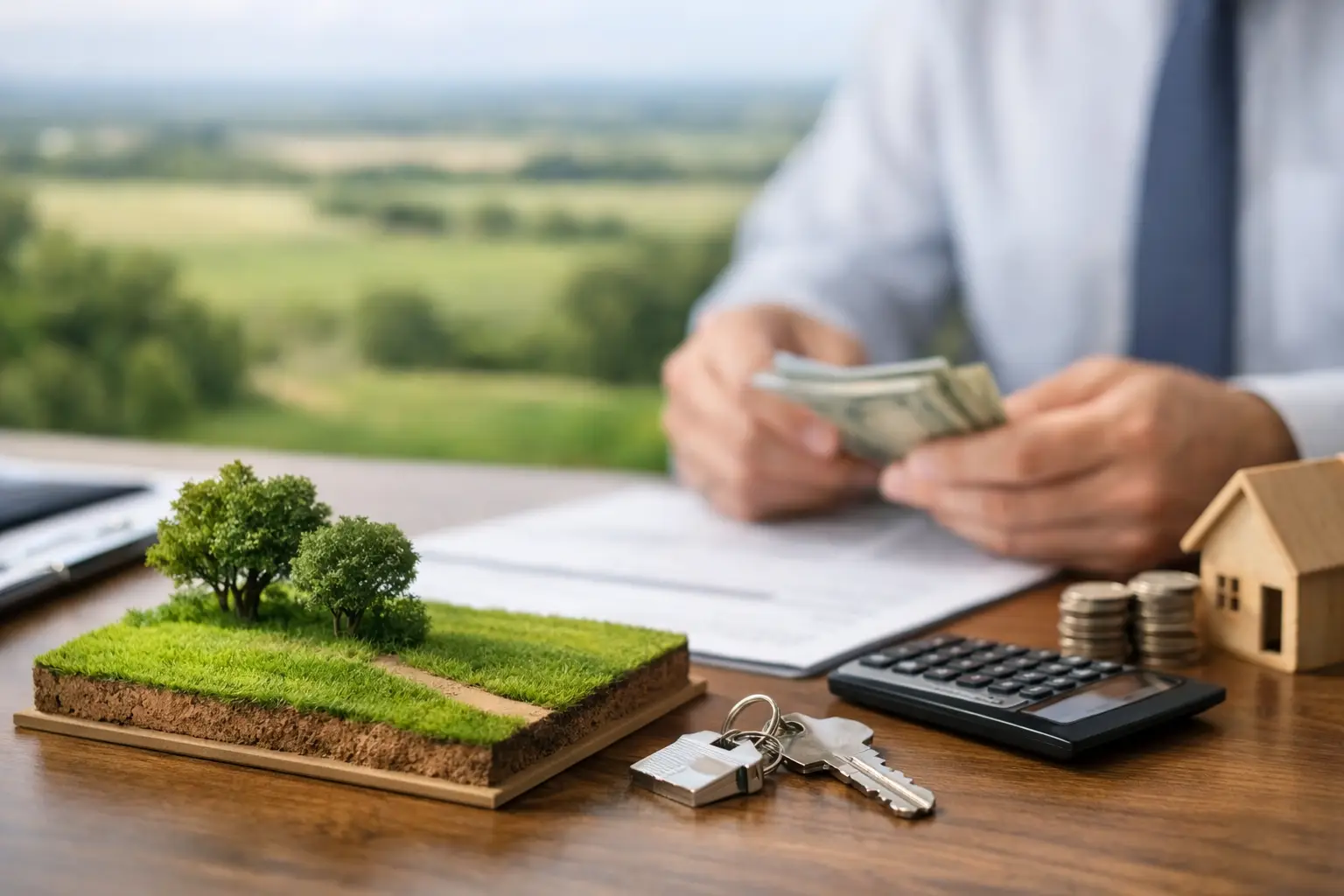
A vacant parcel can look simple on paper – just dirt, trees, or open space – but the investment case behind it is rarely simple. If you’re asking, is buying land a good investment, the honest answer is yes for the right property, at the right price, with the right plan. Land can offer affordability, flexibility, long-term appreciation, and multiple future uses. It can also tie up cash, take patience, and surprise buyers who skip due diligence.
That is why land tends to reward buyers who think clearly about use, location, and holding strategy instead of chasing a vague idea that “land always goes up.” Sometimes it does. Sometimes it sits. The difference usually comes down to what you bought and why.
Is buying land a good investment for most buyers?
For many buyers, land is a good investment because it can be a lower-cost entry point into real estate. In many markets, a vacant lot or rural parcel costs far less than a house or commercial building. That makes it attractive to first-time investors, outdoor lifestyle buyers, retirees planning ahead, and people who want a tangible asset without the maintenance demands of a structure.
Land also gives you choices. You might hold it for appreciation, build on it later, use it recreationally, lease it for agricultural or hunting purposes, or resell it when the area improves. That flexibility is a big reason land continues to appeal to people who want both personal use and investment potential in one purchase.
But “good investment” does not mean “easy investment.” Unlike a rental home, vacant land usually does not produce immediate monthly income unless it has a specific use case. It may take longer to sell. Financing can be less straightforward. And value often depends heavily on details that are easy to overlook, like road access, zoning, utilities, soil conditions, flood risk, or whether the parcel is actually buildable.
What makes land increase in value?
Land value usually moves for practical reasons, not magical ones. Population growth matters. Job growth matters. Infrastructure matters. So does scarcity.
A parcel near expanding suburbs, new road corridors, recreational demand, or high-growth counties often has stronger upside than a remote tract with no clear use. That does not mean remote land has no value. Recreational acreage, hunting land, timberland, and off-grid property can all be strong buys when priced correctly. It means demand needs a reason to exist.
The highest-performing land investments often have one or more of these traits: desirable location, legal access, usable topography, favorable zoning, future development potential, or a clear niche appeal. Waterfront lots, small buildable lots near growing towns, farmland with productive soil, and rural tracts in popular outdoor areas all attract different buyers for different reasons.
This is where a land-first search approach helps. Looking by property type, state, and intended use gives buyers a much better read on real demand than browsing general real estate listings with little land context.
Location still does the heavy lifting
With land, location is not just about being close to a city center. It is about matching the parcel to the buyer pool. A half-acre lot in the path of suburban growth may have strong resale potential because builders or future homeowners want it. Forty acres near public hunting land may be valuable because sportsmen and recreation buyers want privacy and access. Five acres in a desert county may be appealing if zoning allows RV use or off-grid living.
The key question is not whether the land looks cheap. It is whether people will want it later, and why.
Utility creates value
Raw land becomes more valuable when it becomes more usable. Access to electricity, water, sewer, septic suitability, paved roads, and favorable zoning can all increase demand. Even if you do not plan to build right away, the next buyer may care deeply about these factors.
A parcel that is technically for sale but functionally hard to use may stay inexpensive for a reason. Buyers who understand this can avoid the trap of buying a “deal” that remains a deal forever.
When buying land makes the most sense
Land tends to work best as an investment when you have a clear thesis. Maybe you want to buy in a growth corridor before home demand expands further. Maybe you want affordable recreational acreage that can also appreciate over time. Maybe you want a lot for a future retirement home, or a parcel you can improve and resell.
It also makes sense when you are comfortable with patience. Land is often a medium- to long-term play. It may not give you quick cash flow, but it can preserve purchasing power, diversify your assets, and create future options.
For buyers priced out of traditional housing investments, land can be a practical way to start. Smaller lots, owner-financed parcels, and land in secondary markets often create access where homes do not. That is part of the appeal for many buyers using specialized marketplaces like BuyVacantLand.com – the inventory is easier to sort by intended use, budget, and geography.
The biggest risks buyers need to respect
The strongest land investors are optimistic, but not blind. Land has real advantages, and it has real risks.
The first risk is overpaying for a parcel that lacks market demand. A listing can sound full of potential while still being overpriced relative to nearby sales, legal limitations, or actual usability. If you buy based on emotion alone, resale can become difficult.
The second risk is buying land you cannot use the way you intended. Zoning may not allow your plan. The parcel may fail a perc test. Access may be legal on paper but poor in reality. Utility costs may be much higher than expected. In some cases, environmental or floodplain issues can limit what is possible.
The third risk is liquidity. Houses generally have broader buyer pools than vacant land. If you need to sell quickly, land may take longer unless it is in a high-demand category or priced aggressively.
There are also carrying costs to consider. Property taxes may be low on some parcels and higher on others. You may need surveys, insurance in some cases, clearing work, road improvements, or maintenance. None of these automatically kill the deal, but they should be part of the math.
How to evaluate a land investment before you buy
Good land investing is less about guessing the future and more about checking the basics carefully. Start with the intended use. Are you buying to build, hold, recreate, farm, subdivide, or resell? Your answer should shape every other decision.
Then verify the fundamentals. Confirm zoning and permitted uses. Check legal and physical access. Review topography and flood maps. Ask about utilities or septic feasibility. Compare recent land sales, not just house sales in the area. If the parcel is rural, understand how remote it really is in terms of roads, services, and buyer demand.
It also helps to study the local story. Is the county adding jobs, residents, or infrastructure? Are builders active nearby? Is the area known for hunting, tourism, retirement migration, or agricultural productivity? Land values usually rise when a market has a believable reason to attract future buyers.
Think in exit strategies
One of the smartest ways to judge a land purchase is to ask how you could exit. Could you resell to another investor? A future homeowner? A neighbor? A recreational buyer? A builder? The more obvious the potential buyer pool, the stronger the investment case tends to be.
If your only exit strategy is hoping that “someone will want it someday,” you need a better plan.
Is buying land a good investment compared to a house?
It depends on what you want from the asset. A house may offer rental income and easier financing, but it also comes with repairs, tenants, insurance complexity, and higher entry costs. Land is usually simpler to own and often cheaper to buy, but it may produce little to no immediate cash flow.
For some investors, that simplicity is the whole point. No leaking roof. No broken furnace. No midnight call from a tenant. Just a tangible asset with low upkeep and long-term optionality. For others, the lack of income makes land less attractive than improved property.
This is why land often fits best as part of a broader strategy rather than a one-size-fits-all answer. If you value flexibility, lower maintenance, and the chance to buy strategically before an area changes, land can be compelling.
The bottom line for buyers looking at land today
So, is buying land a good investment? Yes – when the parcel has real demand, the numbers make sense, and your plan matches the property. No – when you buy blindly, ignore use restrictions, or assume every cheap acre is a hidden gem.
The best land buyers stay practical. They look for usefulness, not just acreage. They pay attention to access, zoning, location trends, and future buyer appeal. Most of all, they buy with a purpose. When you do that, land stops being just empty space and starts becoming an asset with room to grow.
If a property fits your budget, your goals, and a realistic long-term vision, it may be one of the smartest ways to create opportunity on your own terms.



Join The Discussion