
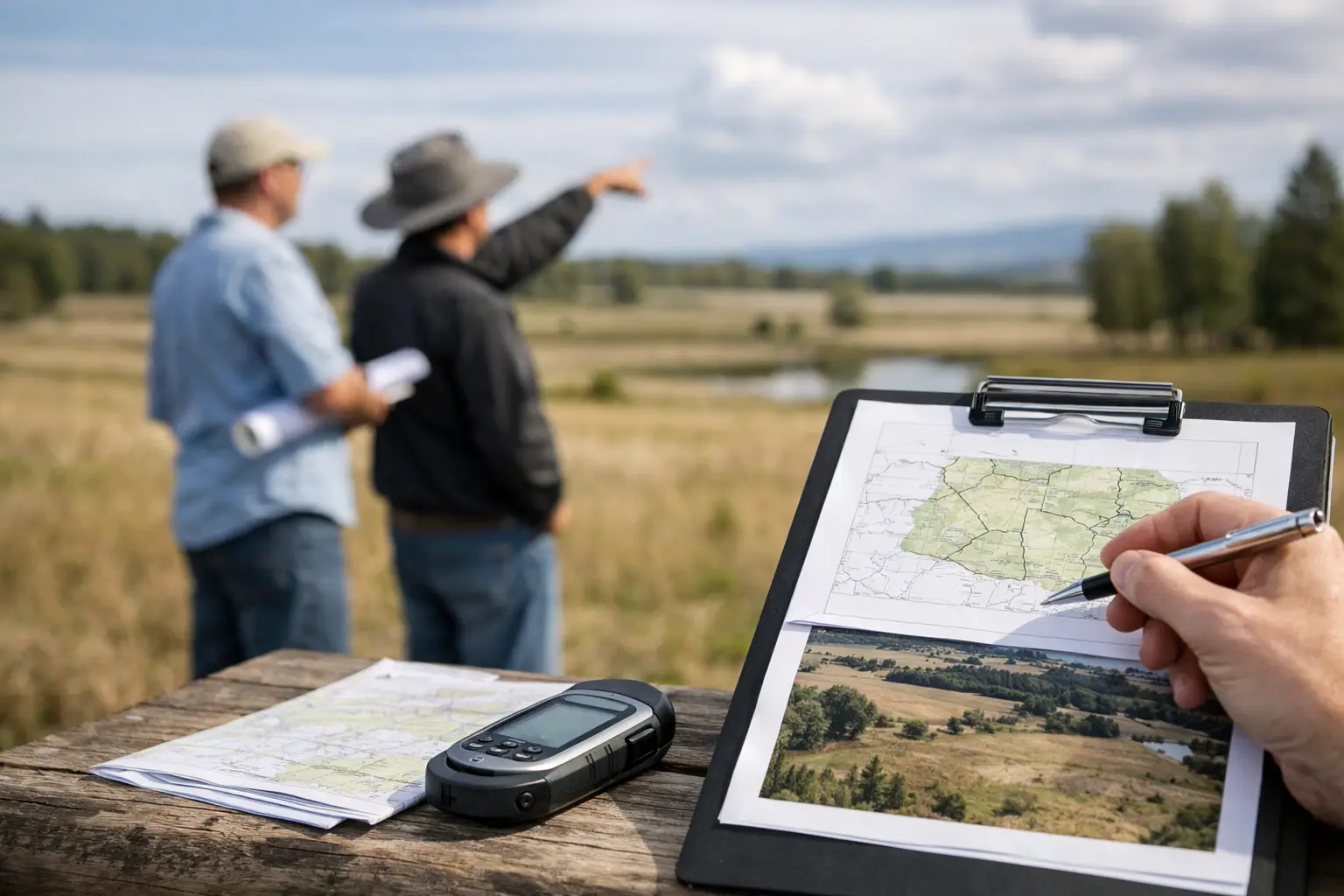
That five-acre parcel with mountain views can look like a bargain right up until you learn there is no legal access, no approved septic area, and no clear path to build. That is why a vacant land due diligence guide matters. Land can offer flexibility, affordability, and long-term upside, but only if you verify what you are actually buying.
Unlike a house, raw land does not come with obvious clues about condition or use. You are not inspecting a roof or HVAC system. You are checking legal rights, physical limitations, future costs, and whether the property fits your real goal – building, camping, farming, investing, or holding for resale. A parcel can be great for one use and terrible for another, so smart buyers start with purpose and then work outward.
How to use this vacant land due diligence guide
Before you spend money on reports or travel, get clear on what success looks like. Are you buying a residential lot for a future home, a recreational tract for weekends, or acreage you hope to subdivide later? That answer changes what matters most.
For example, a recreational buyer may care more about seasonal access, hunting rules, and terrain. A future homesite buyer will care intensely about zoning, setbacks, utilities, well potential, and septic approval. An investor looking for a low-cost parcel may be fine with raw land that has limited improvements, but only if title is clean and resale demand exists. Due diligence is not about checking random boxes. It is about reducing surprises tied to your intended use.
Start with access, boundaries, and legal use
The first question is simple: can you legally and physically get to the land? Road frontage is ideal, but many rural parcels depend on easements. Never assume a dirt path on a map means legal access exists. Ask for recorded easement documents and confirm they actually benefit the parcel you want to buy.
Physical access matters too. A property may be reachable in dry weather but difficult after rain or snow. If you plan to bring in equipment, an RV, or building materials, road condition becomes more than a minor inconvenience. It becomes a cost issue.
Next, confirm boundaries. Listing maps and county parcel viewers are useful starting points, but they are not a substitute for a survey. If corners are unclear, fences are inconsistent, or neighboring uses raise questions, a survey can prevent expensive disputes. This is especially important when acreage, road frontage, or building area directly affect value.
Then check legal use. Zoning, deed restrictions, and local ordinances can limit what you can do even when the land looks wide open. You may find that mobile homes are not allowed, RV use is restricted, short-term rentals are prohibited, or minimum square footage rules make your plan unrealistic. In some rural areas there is no formal zoning, but private covenants or subdivision restrictions still apply.
Questions worth asking early
Call the county planning or zoning department and ask direct questions based on your intended use. Can you build? Can you camp long term? Can you place a manufactured home? Can you split the parcel later? Ask about setbacks, floodplain rules, and any pending land use changes nearby. A five-minute phone call can save weeks of wasted effort.
Title, taxes, and ownership issues
A beautiful parcel with title problems is still a problem. Make sure the seller actually has the right to sell and that there are no unresolved ownership issues, liens, or conflicting claims. Title work is not the glamorous part of buying land, but it is one of the most important.
Look for unpaid property taxes, tax sale history, recorded liens, utility easements, access easements, and restrictions attached to the deed. Some easements are routine and harmless. Others can limit buildable area, privacy, or future plans. If power lines cross the site or a neighbor has broad access rights, that affects both usability and resale.
Back taxes deserve special attention. In some deals, delinquent taxes are minor and easily cured at closing. In others, they signal a neglected property with a chain of unresolved issues. The goal is not to panic at every issue. It is to know what you are inheriting.
Utilities can change the whole deal
Many first-time buyers underestimate utility costs. A parcel advertised as affordable may stop looking affordable once you price out power, water, sewer, internet, and driveway installation.
Electric service is a major checkpoint. If power is at the road, great. If the nearest connection point is far away, extension costs can be substantial. The only reliable way to know is to contact the local utility provider and ask what service availability looks like for that parcel.
Water and sewer need the same level of scrutiny. In rural markets, many properties rely on wells and septic systems. A parcel may be buildable in theory but still fail a perc test or require an engineered septic system that costs far more than expected. Water access also varies. Some areas allow private wells, some require hauled water, and some rely on community systems with hookup fees.
Internet and cell service are worth checking too, especially if remote work or extended stays are part of your plan. Buyers often treat connectivity as a secondary issue until they realize it affects both lifestyle and future marketability.
The land itself matters more than the photos
Good listing photos help you spot opportunity, but they cannot tell you everything. Walk the property if possible. If you cannot visit in person, hire local help or gather as much location-specific information as you can from county sources, maps, and professionals.
Topography matters. A parcel with steep slopes, rocky ground, washes, or poor drainage may have less usable area than the acreage suggests. Soil conditions matter too, particularly for building, septic, agriculture, and roadwork. One ten-acre tract can be easy to improve, while the neighboring ten acres can be expensive and difficult.
Check flood zones, wetlands, and environmental limitations. Land near water can be attractive, but it may come with permitting hurdles, setback requirements, or insurance considerations. Timber, brush, and wildlife habitat can add value for some buyers while increasing clearing costs for others. Again, it depends on your goal.
Improvement costs are part of due diligence
Vacant land buyers often focus on purchase price and forget site prep. Clearing trees, grading a pad, cutting a driveway, drilling a well, or installing a septic system can quickly exceed what you expected. This does not make the property a bad deal. It just means the real cost of ownership is higher than the asking price.
Market value is not just about price per acre
Price per acre is a useful shortcut, but it is not enough on its own. Two similarly sized parcels in the same county can have very different values based on access, terrain, zoning, improvements, and location appeal.
Compare recently sold land that matches the subject property as closely as possible. Focus on use case. Residential lots should be compared to residential lots. Hunting land should be compared to recreational tracts. Infill lots near growing towns should not be measured against remote off-grid acreage simply because the acreage is similar.
Also look at time on market and inventory levels. A parcel may appear cheap because demand is soft, because development constraints exist, or because the seller is motivated. Sometimes that creates opportunity. Sometimes it points to a problem you still need to identify.
For buyers searching nationwide, a land-focused marketplace like BuyVacantLand.com can make comparisons easier because listings are organized by land type and intended use, not buried inside general residential search results.
When to bring in professionals
Not every land deal needs a long list of consultants, but some do. If you are buying for development, spending more upfront on due diligence usually makes sense. If you are buying a small recreational parcel with simple access and clear title, the process may be lighter.
A real estate attorney can help review unusual access, title, or contract issues. A surveyor can confirm boundaries and easements. A soil professional or septic installer can evaluate wastewater feasibility. A local contractor can estimate driveway, clearing, or utility extension costs. The right help depends on the risk profile of the parcel.
The mistake is not hiring professionals. The mistake is waiting until after closing to discover you needed them.
A practical decision standard
The best land buyers are not looking for perfection. They are looking for clarity. Nearly every parcel has trade-offs. Maybe the views are excellent but utilities are farther away. Maybe the access is easy but restrictions are tighter than you hoped. Maybe the price is strong because the property is best suited for holding, not immediate building.
A smart purchase happens when the facts line up with your intended use, budget, and timeline. If due diligence reveals manageable costs and acceptable limits, move forward with confidence. If it uncovers deal-breaking issues, walking away is not failure. It is a win because you protected your money and kept your options open.
Land can be one of the most flexible real estate purchases you make, but only when you buy it with your eyes open. The right parcel is out there, and a careful review now puts you in a much stronger position to recognize it when you see it.



Join The Discussion