
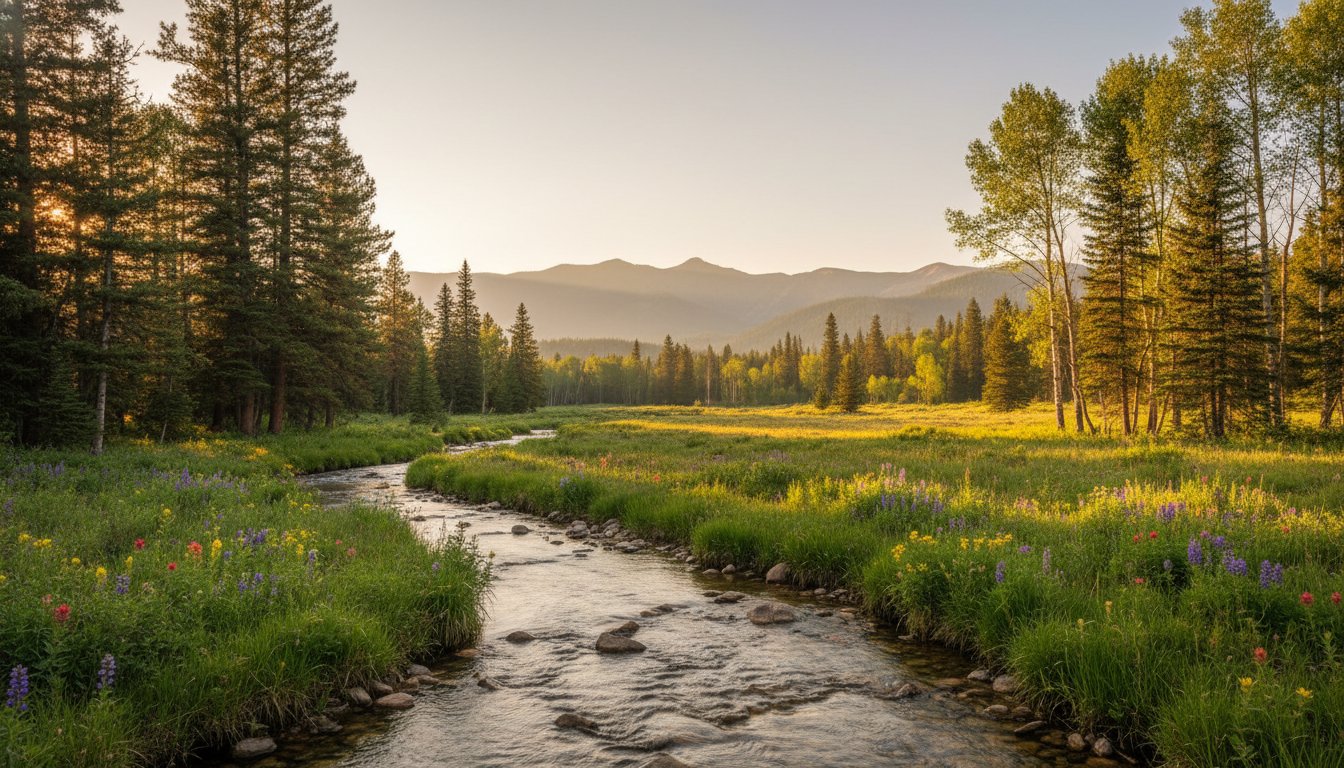
Did you know that a single stream can add up to $30,000 to your land value while simultaneously stripping away federal protections under the 2025 WOTUS definition? Finding the right mountain property for sale with creek access is a high-stakes investment that requires more than just a good view. You likely feel the pressure of 6.52% mortgage rates and the fear of buying a beautiful lot that’s legally unbuildable. It’s frustrating to deal with confusing riparian laws and the stress of hidden closing costs that eat into your budget.
This guide solves those problems by teaching you to master the technical and legal essentials of water-front land. You’ll gain the confidence to identify buildable slopes and understand the new 2026 Wildland-Urban Interface codes. We’ll show you how to find affordable raw land through direct-to-seller transactions, bypassing the typical agent fees and middleman markups. From understanding state-level water rights after the Sackett v. EPA decision to evaluating soil stability, this is your streamlined path to a perfect creek-side retreat.
Key Takeaways
- Understand why natural water features act as a primary value driver and scarcity play for long-term land appreciation.
- Distinguish between Riparian Rights and Prior Appropriation to ensure you have legal, physical access to the water on your land.
- Navigate technical setbacks and FEMA flood zone requirements to verify that your mountain property for sale with creek is actually buildable.
- Learn to use topography maps to identify the difference between year-round perennial streams and seasonal intermittent flows.
- Connect directly with sellers on a specialized vacant land marketplace to eliminate expensive middlemen and unnecessary commission fees.
Why Mountain Property with a Creek is the Ultimate Land Investment
Scarcity drives the market value here. Most mountain parcels are dry. They rely entirely on rainfall or expensive deep-well drilling. According to Real Estate News (March 2026), the presence of a creek can increase a parcel’s value by up to $30,000. This is not just a cosmetic upgrade. It is a fundamental shift in the property’s utility and resale potential. You are buying a finite resource that cannot be manufactured.
These properties offer a unique microclimate. Moving water naturally cools the surrounding air. It supports a lush, diverse ecosystem that dry land cannot sustain. This creates a natural buffer against heat. It provides irrigation for small-scale gardens or livestock. You get a resilient piece of land that remains productive when surrounding areas struggle.
The Value of Natural Water Sources
Recreational and Off-Grid Potential
A creek transforms a static lot into an active playground. You can use the water for trout fishing, gold panning, or simple relaxation. For those pursuing a self-sufficient lifestyle, steep terrain offers the potential for small-scale hydroelectric power. This provides a consistent energy source that solar cannot match in shaded canyons. It turns the land into a functional power plant.
Understanding your legal standing is the first step toward development. You must verify your Riparian water rights to ensure you can actually use the water flowing through your borders. This is a perfect setup for owner financed land projects. By removing bank hurdles, you can secure a mountain property for sale with creek access and start your off-grid build immediately. These features make the land a strategic, multi-use asset that holds its value regardless of broader market shifts.
Navigating Water Rights, Easements, and Riparian Laws
Owning a mountain property for sale with creek access involves more than checking the flow rate. You are entering a complex legal landscape. Water rights in the United States are divided into two main categories. You must know which one governs your land to avoid losing your water source to a neighbor or the state. Legal access to water is not always tied to land ownership. This is a critical distinction that many buyers miss during their initial search.
Following the 2023 Sackett v. EPA decision, federal protections for many intermittent streams were removed in late 2025. This shifted regulatory authority to state and local governments. You cannot assume federal law protects your stream. Conduct a professional water rights search to confirm your legal standing. This due diligence ensures your mountain property for sale with creek remains a viable asset. You can find undeveloped land with various water features on a specialized marketplace to start your search today.
Riparian vs. Prior Appropriation
Riparian states, mostly in the East, allow landowners to use water that touches their property. This use must be reasonable and not harm downstream neighbors. Prior Appropriation states, common in the West, follow a “first in time, first in right” rule. In these areas, your creek might legally belong to a senior rights holder miles away. Owning the land does not guarantee the water. Be wary of “water shares.” These are paper rights in a water company. They are not the same as a deeded right to the physical stream on your property.
Easements and Public Access
Easements can compromise your privacy and building plans. A prescriptive easement occurs when the public has historically used a trail or creek bed on your land without objection. If this usage is established, you may not be able to stop it. Utility companies also favor creek corridors for infrastructure like power lines or pipes. These companies will prevent you from building any structures near these lines. Always verify if the water is “navigable.” If it is, the public may have a right to travel on the waterway regardless of what your deed says. These local rules are now more important than ever. Check with county planners to see how local ordinances affect your specific parcel.
Technical Challenges: Building on Slopes and Near Water
Building on a mountain property for sale with creek access requires a shift from aesthetic dreaming to engineering reality. You must confront the physical constraints of the terrain before clearing any trees. Slope stability and water proximity determine where you can legally build. Ignoring these technical hurdles results in unbuildable land or astronomical construction costs. Your goal is to find a site that balances the beauty of the water with the safety of a stable foundation.
FEMA flood zones are your first checkpoint. Use the FEMA Flood Map Service Center to locate the parcel. Don’t let the term “100-year flood” mislead you. In narrow mountain canyons, these are 1% annual chance events that can occur multiple years in a row. If your building site sits within a Special Flood Hazard Area (SFHA), your lender will mandate flood insurance. This adds a permanent, non-negotiable monthly expense to your ownership costs. It can also restrict the type of foundation you are allowed to pour.
Flood Zones and Insurance
Insurance premiums for mountain properties in 2026 reflect the increased risks of flash flooding and erosion. When you buy a mountain property for sale with creek frontage, you must factor these costs into your monthly budget. High-risk zones may require you to elevate the first floor of your home above the base flood elevation. This increases your initial construction budget for specialized piers or stem walls. Always confirm the zone status before closing to avoid a financial surprise that could derail your project.
Septic and Setback Requirements
Setbacks are the invisible lines that dictate your building footprint. Local ordinances require a minimum distance between your foundation and the high-water mark. This protects the riparian ecosystem and your home from shifting soil. If the lot is narrow, these setbacks might leave you with a footprint too small for a standard house. You also need to consider soil composition. Mountain soil is frequently too rocky or too thin for a traditional septic leach field. You will likely need an engineered septic system. These systems use specialized pumps and sand filters, often doubling the cost of a standard installation. For more on vetting these technical details, consult our how do you buy land guide for comprehensive survey tips.
Slope stability is the final technical hurdle. A creek at the base of a hill naturally erodes the “toe” of the slope. This increases the risk of landslides or soil creep. You must verify that the ground can support the weight of a structure without shifting toward the water. If you are looking at a mountain property for sale with creek frontage, hire a geotechnical engineer early. They will confirm if the slope is stable enough for a foundation. This step ensures your build meets the 2026 Wildland-Urban Interface (WUI) codes while remaining physically secure.

How to Evaluate Creek-Front Listings Like a Pro
Evaluating a mountain property for sale with creek frontage requires a skeptical eye. Many listings use “creek” as a marketing buzzword for a dry drainage ditch. You must look past the professional photos. Your goal is to determine if the water is a functional asset or a seasonal ghost. Verify the flow, the access, and the environment before you commit your capital. A mistake here results in an overpriced lot with no usable water.
Investigate what happens upstream. Water quality on your land depends entirely on the activities of your neighbors. Check topographic maps for industrial sites, large-scale agriculture, or legacy mining operations situated higher in the watershed. These can introduce contaminants that make the water unsafe for livestock or recreation. A pristine stream is only as clean as its source. You can view verified land listings to find parcels with documented water features and clear histories.
Perennial vs. Intermittent Streams
Perennial streams flow year-round. They provide a consistent water supply and maintain higher property values. Intermittent streams only flow after heavy rain or snowmelt. They are often dry when you need them most. Use satellite imagery from different months to confirm water presence. Tools like Google Earth Pro allow you to scroll through historical dates. If the streambed looks white or dusty in late August, it is likely intermittent. This distinction affects your ability to use the water for off-grid power or irrigation. Don’t pay perennial prices for seasonal water. You want a property that delivers on its promise every day of the year.
Topography and Access
Physical access is often overlooked in the excitement of a purchase. A creek is useless if it sits at the bottom of a 50-foot vertical cliff. Analyze topography maps for “benches.” These are flat, natural terraces near the water. They make perfect spots for campsites or utility sheds. Steep banks increase erosion risks and make it impossible to reach the water safely. You need a site where the land contours allow for a path or road to the water’s edge. This ensures you can actually enjoy the feature you are paying for.
Confirm the legal path to the lot. Ensure the cheap land for sale has deeded road access. Many mountain parcels are landlocked by surrounding private land. Without a recorded easement, you cannot legally reach your property. Never rely on a handshake agreement or a “historic trail.” Check the plat map to confirm your path from the public road to the creek’s edge is legally secured. This protects your investment and your right to use the land without legal interference from neighbors.
Finding Your Mountain Creek Property on BuyVacantLand.com
Finding a mountain property for sale with creek access shouldn’t be a bureaucratic nightmare. BuyVacantLand.com eliminates the friction of traditional real estate transactions. We are a specialized marketplace for empty land parcels. You won’t find houses, condos, or rental properties here. This focus allows you to filter listings with surgical precision. It ensures you only see the raw land and undeveloped lots that meet your specific investment criteria.
Efficiency is our primary value proposition. Traditional real estate sites clutter your search with residential homes and expensive agent-led listings. We provide a direct line to the dirt. You get a streamlined path to ownership that avoids the stress of traditional procedural hurdles. Whether you are looking for hunting land or a residential lot, our platform delivers the data you need without the fluff.
The Direct Listing Advantage
Traditional brokers often carry high overhead and franchise fees. These costs are passed to you in the form of higher prices. Our platform removes the middleman. You deal directly with land owners and sellers. This direct connection provides you with unfiltered information about water features and terrain. You can search our lands of america listings to find diverse mountain lots from Montana to Texas. This approach saves you money and time by cutting out unnecessary procedural hurdles.
- Access a national inventory of undeveloped vacant land.
- Browse specialized categories like hunting land and off-grid lots.
- Review transparent pricing without hidden service fees.
- Connect with sellers who have first-hand knowledge of the property.
Secure Your Land Today
The rural land market is moving fast in 2026. High-quality properties with creek frontage are in high demand. Use our simplified listing process to discover raw land before it hits traditional retail sites. You can find owner financed land or residential lots ready for your build. Every listing is designed for efficiency. We provide the data you need to make an equitable financial proposal. Contact a seller directly through BuyVacantLand.com to verify access and start your due diligence. Don’t let a perfect mountain property for sale with creek frontage slip away because of a slow, outdated buying process.
Secure Your Creek-Side Asset Today
You now have the technical and legal framework to acquire a high-value mountain property for sale with creek access. Success depends on verifying your water rights and confirming the buildability of the terrain before you commit capital. You don’t need to waste time with expensive agents or irrelevant residential listings. Focus on the raw land and undeveloped parcels that offer the highest potential for appreciation and utility. This direct approach simplifies your search and protects your investment from unnecessary fees.
Browse Mountain Land for Sale with Creeks on BuyVacantLand.com to access our national marketplace. We offer exclusively vacant land listings and a direct seller-to-buyer connection. This cuts through traditional procedural hurdles and puts you in control of the transaction. Your perfect creek-side retreat is within reach. Start your search and secure your future asset today.
Frequently Asked Questions
Can I build a house right next to a creek on mountain property?
You cannot build directly on the bank because of setback requirements. Local ordinances mandate a specific distance between your foundation and the high-water mark to protect the riparian ecosystem and your structure. These distances vary by county but usually range from 50 to 100 feet. If you ignore these rules, you won’t get a building permit. Always verify local zoning before clearing any land near the water.
What is the difference between riparian rights and water rights?
Riparian rights are based on property location and allow for reasonable use of water bordering your land. Water rights, specifically in Prior Appropriation states, are legal property rights that can be sold separately from the land. You might own a mountain property for sale with creek access but have zero legal right to use the water if a senior holder exists downstream. Always conduct a title search for water rights.
How do I know if a creek on a property runs year-round?
Consult the United States Geological Survey (USGS) topographic maps to see if the stream is marked as perennial or intermittent. Perennial streams flow year-round, while intermittent ones are seasonal. You should also visit the property during late summer when water levels are at their lowest. Checking historical satellite imagery across different seasons provides a clear record of the creek’s flow consistency over several years.
Is land with a creek more expensive to insure?
Insurance costs are higher if the property sits within a FEMA-designated Special Flood Hazard Area. Lenders require mandatory flood insurance for any financed land in these zones. Even for cash buyers, the risk of erosion or flash flooding can increase standard liability premiums. You must factor these recurring costs into your budget to ensure the land remains an affordable long-term asset regardless of market shifts.
What are the most common restrictions for mountain land with water?
The most common restrictions involve riparian buffer zones and septic system placement. You cannot install a leach field within a certain distance of open water to prevent contamination. Additionally, state-level protections often limit how much vegetation you can remove near the bank. These rules aim to prevent erosion and preserve water quality. Always check for conservation easements that might further restrict your specific development plans.
Can I use the water from the creek for my home or garden?
Your ability to use the water depends on your state’s legal doctrine and your specific deed. In Riparian states, you can usually use a reasonable amount for domestic needs and small gardens. In Prior Appropriation states, you may need a specific permit or water shares to divert any flow. Never assume that physical access equals legal permission to pump or divert water for your own use.
How do I check if a property is in a flood zone?
Access the FEMA Flood Map Service Center online and enter the property’s address or coordinates. This tool provides the official flood hazard information used for insurance and lending. Look for zones labeled A or AE, as these indicate a high risk of flooding. Understanding this data is essential before buying a mountain property for sale with creek frontage to avoid unbuildable or high-liability land.
Do I need a special permit to bridge or cross a creek on my land?
You will likely need multiple permits to install a bridge or culvert. Local building departments and state environmental agencies must approve any work that disturbs the streambed. These permits ensure your crossing doesn’t obstruct water flow or damage the habitat. Failing to secure these approvals can result in heavy fines and a legal requirement to remove the structure at your own expense.




Join The Discussion