
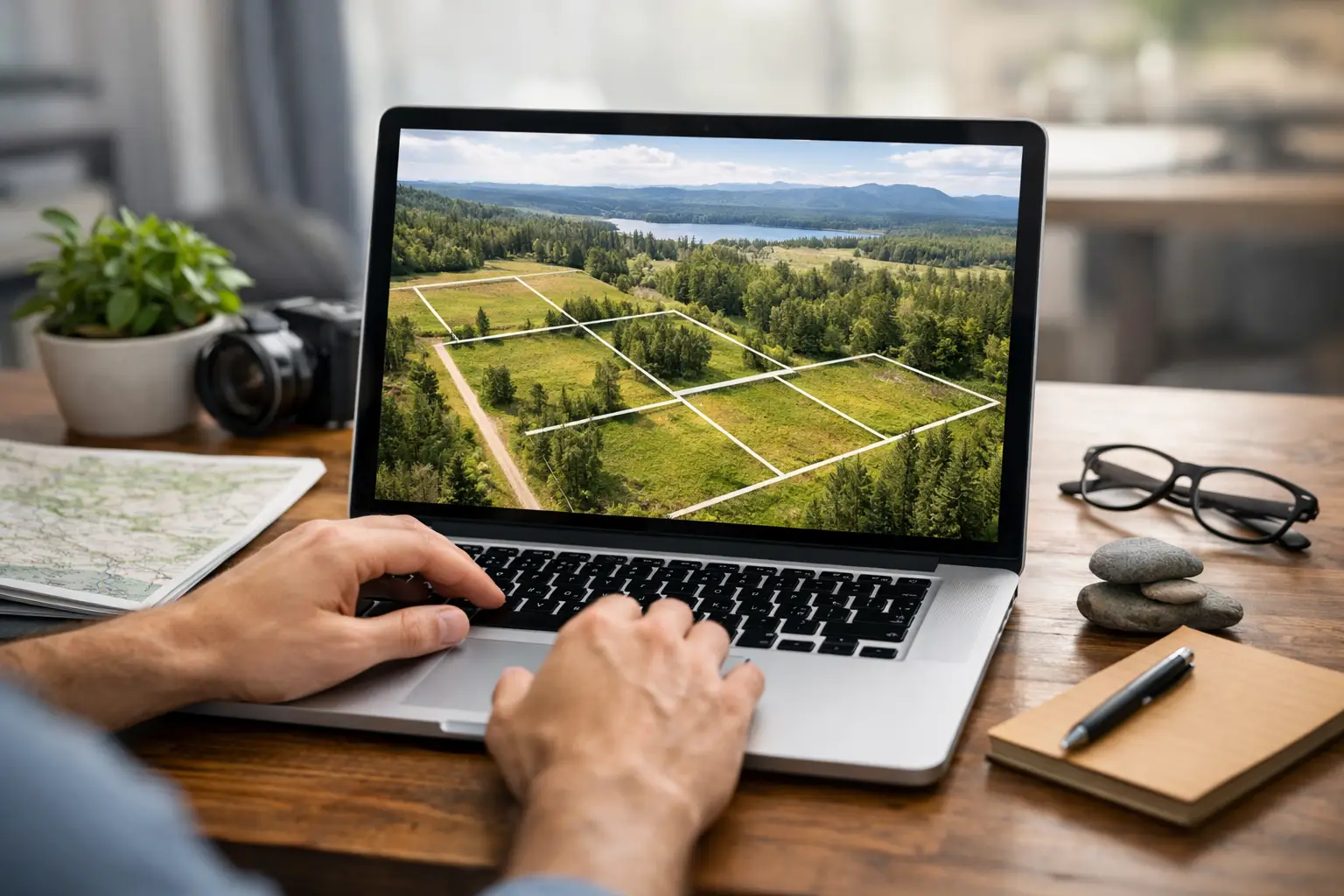
A five-acre parcel can look like a bargain until you learn the road access is unrecorded, the lot will not pass a perc test, or the advertised monthly payment leaves out a substantial down payment. That is why learning to review land listing websites matters before you spend time, money, or energy pursuing a property. The right marketplace helps you spot viable opportunities quickly. The wrong one can bury the details that determine whether land is actually usable.
For buyers, a good land website does more than display attractive photos and acreage totals. It should help you narrow the search by how you plan to use the property, understand the basic facts of each parcel, and take the next step with confidence. For sellers, it should put a listing in front of people who are actively looking for land, not just browsing homes.
Start With the Type of Land You Need
A website may have thousands of listings and still be a poor fit if it does not organize them around real land-buying decisions. Searching for vacant land is different from searching for a house. A buyer looking for a weekend hunting tract needs different filters than someone seeking a buildable residential lot, an off-grid homestead, or a commercial parcel near a growing town.
Look for sites that let you search by land type as well as location. Useful categories might include acreage, farms and ranches, waterfront property, recreational land, timberland, RV lots, residential lots, and owner-financed land. Those categories save time because they bring purpose into the search from the beginning.
Location filters should work at more than one level. State-level browsing is helpful when you are open to relocating or investing in an affordable market. County, city, ZIP code, and map-based searches become more important when you need to stay near a job, family, utilities, or a specific recreation area. A good platform gives you room to search broadly, then tighten the map without making you start over.
Look Beyond the Listing Count
A large inventory can be valuable, but quantity alone is not proof of quality. When you review land listing websites, ask whether the available listings are current, detailed, and relevant to your price range. A marketplace filled with expired ads, vague descriptions, or duplicate properties creates more work for the buyer.
Open several listings before deciding whether a website deserves your attention. Strong listings generally identify the county and state, acreage, price, parcel or APN number when available, access information, zoning or land-use details, and a clear contact method. The best listings also explain features such as terrain, vegetation, floodplain considerations, nearby utilities, road frontage, and whether the parcel is suitable for the seller’s stated use.
Photos and maps should support the facts rather than replace them. A drone photo can show a beautiful view, but it cannot confirm boundary lines, legal access, or whether the land is buildable. Treat every image as an introduction, not evidence. If a site makes it easy to see the parcel’s approximate location and evaluate nearby roads, towns, water, and neighboring development, that is a meaningful advantage.
Details That Should Never Be Hidden
Some land facts require further verification, but a listing website should not make you hunt for basic information. Be cautious when a property page focuses almost entirely on low monthly payments, scenic language, or a single price without explaining the terms.
Before contacting a seller, look for the total cash price, financing price if different, down payment, interest rate, loan term, monthly payment, and any fees. Also check whether taxes, association dues, or back taxes are mentioned. Owner financing can make land ownership more attainable, especially for buyers who do not want a traditional bank loan, but the terms still need to fit your budget and goals.
Test the Search Tools Like a Buyer Would
The best land marketplace is not necessarily the one with the flashiest design. It is the one that helps you find a realistic shortlist without friction. Try a few searches that reflect your actual criteria: a price ceiling, minimum acreage, preferred state, intended land use, and financing needs.
A useful search experience should let you adjust filters without losing your place. It should also make it easy to compare listings side by side through saved properties, clear property pages, and consistent details. If every search returns homes, condos, or unrelated commercial listings when you are looking for raw land, the site is not built around your needs.
Map tools are particularly valuable for land because acreage on paper can feel very different on the ground. Use the map to understand the parcel’s setting. Is it near a highway, railroad, industrial operation, river, public land, or dense subdivision? Is the property in a remote area where services may be limited? A map will not replace due diligence, but it helps you ask better questions sooner.
BuyVacantLand.com, for example, is designed around land-specific categories and state-based searches, which can be useful when you already know whether you want a residential lot, recreational acreage, an off-grid property, or another specialized parcel type.
Judge the Quality of Sellers and Contacts
Land marketplaces commonly include listings from individual owners, brokers, land investors, developers, and companies. That variety creates opportunity, but it also means you should evaluate the seller as carefully as the website.
A credible listing gives you a practical way to ask questions. You should be able to identify who is offering the property and receive a timely, straightforward response. Pay attention to whether the seller can provide documentation or direct you to public records for parcel identification, deed history, survey information, tax status, and financing terms.
A seller does not need to have every answer immediately. Some questions require county confirmation, a title search, or professional review. The warning sign is not uncertainty. It is evasiveness, pressure to send money before you can verify key facts, or claims that a parcel is suitable for a use without supporting details.
Keep the Website and the Property Separate
A land listing website is a marketplace, not a substitute for your own due diligence. Even a well-organized platform cannot guarantee that a property will meet your plans. Before making an offer or deposit, verify ownership, legal access, zoning, building requirements, utility availability, flood risk, easements, restrictions, taxes, and title conditions.
This is especially important for inexpensive rural land. Lower prices can reflect genuine opportunity, but they can also reflect limited access, challenging terrain, lack of utilities, or restrictions that do not match your intended use. There is nothing wrong with buying a remote, off-grid parcel if that is the goal. The key is buying it with clear expectations.
Consider Whether the Platform Supports Your Next Step
The best listing websites help buyers move from browsing to action. That can mean clear inquiry forms, saved searches, alerts for new properties, transparent financing information, or educational content that explains common land terms. These features matter because land transactions often involve more research than a typical home search.
For sellers, the question is whether the site attracts land-focused buyers and provides enough space to market the parcel properly. A listing should have room for a useful description, location details, pricing, maps, photos, financing options, and the features that make the land valuable. A generic real estate portal may generate visibility, but a dedicated land audience is more likely to understand acreage, access, zoning, and rural property trade-offs.
It also depends on your selling goal. If speed is the priority, broad exposure and a direct contact path may matter most. If you are marketing a unique ranch, waterfront tract, or development parcel, detailed presentation and audience targeting become more important. The right website should support the way buyers evaluate that type of property.
Choose a Website That Helps You Ask Better Questions
A strong land listing website will not make every property perfect. What it can do is make the decision process clearer. It should help you find land by purpose, compare realistic options, see enough property detail to identify red flags, and connect with sellers prepared to discuss the parcel honestly.
Use the website to build a focused shortlist, then slow down where it counts. Confirm the facts, visit the land when possible, and make sure the parcel supports the life, investment, recreation, or future project you have in mind. The right piece of land is not simply the one with the lowest price. It is the one that gives your plans room to grow.



Join The Discussion