
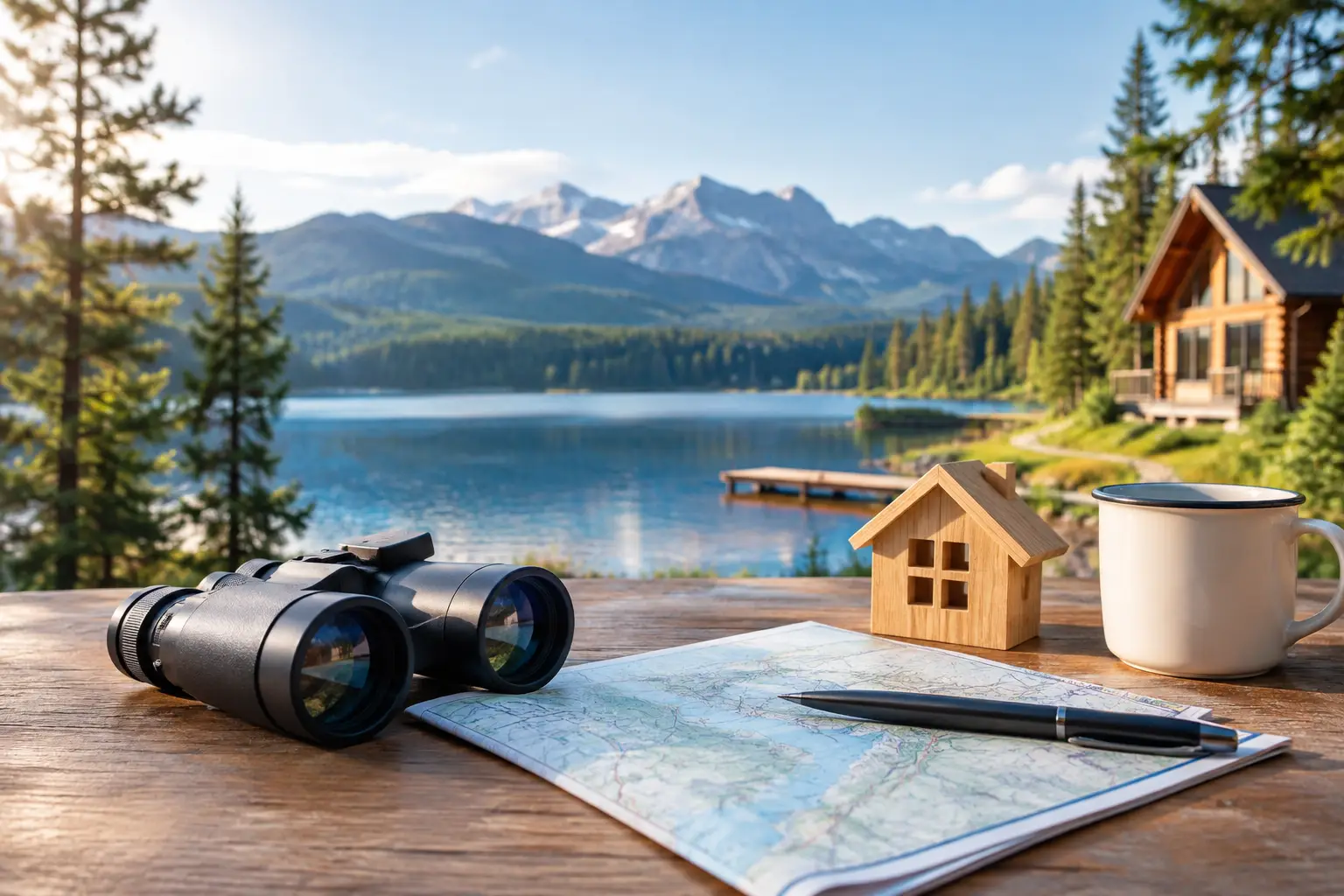
A wooded parcel where deer move through at dawn, a lake lot with room for a dock, or acreage near public trail systems can be more than a weekend escape. The right property can also become a flexible long-term asset. This guide to recreational property investing will help you evaluate land based on how you plan to use it, what it may cost to hold, and where its value could grow over time.
Recreational land is appealing because it gives buyers options. You may use it for hunting, camping, fishing, ATV riding, RV stays, cabin plans, or simply a private place to unplug. Unlike a primary home purchase, the goal is not always immediate development. That flexibility can create opportunity, but it also makes careful due diligence essential.
Start With a Clear Investment Purpose
The best recreational properties are not necessarily the largest or cheapest parcels. They are the ones that fit a defined purpose. Before searching, decide whether your primary goal is personal use, rental income, future resale, timber value, a family retreat, or a mix of those benefits.
A buyer looking for hunting land will evaluate habitat, game signs, neighboring pressure, and legal access differently than someone seeking a waterfront RV lot. An investor hoping to build a cabin rental needs to look closely at zoning, utilities, road quality, and local short-term rental rules. The land may be beautiful, but beauty alone does not support your plan.
Set a realistic time horizon, too. Some buyers want land they can enjoy next month. Others are comfortable holding acreage for five or ten years while an area gains population, roads improve, or nearby recreation draws more visitors. Neither approach is wrong. The key is buying for the timeline and use case you actually have.
Where Recreational Land Gets Its Value
Location matters in every real estate category, but recreational land value is especially tied to access and experience. A parcel near a well-known lake, national forest, ski area, trail network, river, or hunting region may attract consistent demand. Still, proximity is not the same as usability. A property can be close to a popular destination and remain difficult to enjoy if the road is rough, the terrain is steep, or the access is uncertain.
Look at the property’s physical features. Mature trees, a creek, ponds, open meadows, elevated views, and varied terrain can make land more desirable. On hunting acreage, cover, water, food sources, and natural travel corridors matter more than a generic acreage number. On a camping or RV property, level ground, drainage, shade, and a practical entrance may carry more value than dense timber.
Also study what surrounds the parcel. Nearby public land can expand recreation opportunities, while adjacent industrial activity, a noisy highway, or heavy development may limit the quiet and privacy buyers expect. Ask how neighboring parcels are used today, then consider what could reasonably happen there in the future.
The First Rule: Confirm Legal, Physical Access
A low price can be a signal of opportunity, but it can also point to an access problem. Never assume that a road shown on a map gives you legal rights to use it. Confirm whether the property has recorded access through a public road, deeded easement, or other documented right-of-way.
Physical access deserves equal attention. Visit the land if possible, especially after rain or during the season when you expect to use it most. A dirt road that works for a high-clearance vehicle in summer may be muddy, snow-covered, or impassable at other times. If your plan involves bringing in an RV, building materials, or guests, make sure the road, gates, turns, and bridge crossings can handle that use.
Survey information can prevent expensive surprises. Compare the legal description, parcel map, and visible boundaries. Fences, old trails, and tree lines are not always property lines. If corners are unclear or the tract has a complicated shape, budgeting for a survey can be a smart move.
Guide to Recreational Property Investing: Check the Rules First
Recreational land often comes with more freedom than a neighborhood home, but it is not free from regulations. County zoning, building codes, deed restrictions, floodplain rules, wetlands, and homeowners’ association requirements can all shape what you can do.
If you plan to camp, ask whether overnight camping is allowed and whether there are limits on the number of days. If you want an RV, confirm whether long-term RV use is permitted. For a cabin, check minimum dwelling size, setback requirements, septic approval, driveway permits, and whether the parcel can receive a building permit.
Waterfront and riverfront land requires extra care. Some parcels have water views but no usable shoreline. Others may be subject to shoreline setbacks, conservation restrictions, seasonal access issues, or flood risk. A property marketed as near water is not necessarily a property with water rights, dock rights, or direct access.
These details are not deal-breakers by default. They simply determine whether a parcel fits your strategy. A remote, off-grid tract may be perfect for seasonal hunting use and completely unsuitable for a full-time cabin rental. Buy according to the rules that apply, not the possibilities you hope will appear later.
Price the Whole Ownership Experience
The purchase price is only one part of the investment. Build a holding-cost estimate before making an offer. Include property taxes, insurance where appropriate, road association dues, maintenance, brush clearing, gate installation, trail work, and financing costs.
Utilities can quickly change the economics. Extending electric service, drilling a well, installing septic, improving a driveway, or bringing in internet can cost far more than buyers expect. In some locations, solar power, a generator, water storage, and a composting or permitted septic solution can make off-grid ownership practical. In other areas, those same limitations will reduce the pool of future buyers.
Think about the exit as early as the entry. If you plan to resell, consider which features will matter to the next buyer: verified access, a recent survey, cleared campsite, improved driveway, power availability, usable trails, or documented septic feasibility. Modest improvements that make the property easier to understand and use can often strengthen marketability.
Consider Income, But Do Not Force It
Some recreational properties can produce income through cabin rentals, RV sites, hunting leases, timber management, storage, or agricultural use. Income can help offset carrying costs, but it should be based on local demand and permitted uses rather than optimistic projections.
For example, a parcel near a major lake or trail destination may have strong rental potential if it allows short-term stays and has reliable access. A remote hunting tract may be better suited to a seasonal lease or personal use. Timberland can offer periodic revenue, but it requires an understanding of species, stand age, harvest timing, access for equipment, and long-term stewardship.
If projected income is central to your purchase, run conservative numbers. Account for vacancy, management, insurance, taxes, maintenance, permits, and the cost of making the property guest-ready. A property that still makes sense without maximum rental income is usually a safer investment.
Finance With the Land Type in Mind
Land financing differs from financing a house. Lenders may require larger down payments, charge different rates, or place restrictions on raw land, remote acreage, and undeveloped parcels. Owner financing can be another path, particularly for buyers who have a substantial down payment but want more flexible terms than a conventional lender offers.
Before committing, compare the total cost of each option, not just the monthly payment. Review the interest rate, loan term, balloon payment language, prepayment rules, and whether taxes and insurance are your responsibility. A short owner-finance term may work well if you expect to pay off the balance quickly or improve and resell the land. It may be less suitable for a long hold without a clear payoff plan.
Cash purchases can simplify closing and improve negotiating power, but buyers should still reserve funds for due diligence and initial improvements. The best deal is not the one that uses every available dollar at closing. It is the one that leaves room to make the property usable and protect your investment.
Build a Due Diligence File Before You Close
A strong buyer keeps records organized from the start. Save the listing details, parcel number, deed, survey, maps, tax history, zoning notes, access documentation, and any communication with county offices. This file will help you make a better purchase decision and can make a future sale easier.
Before closing, verify ownership and title, confirm annual taxes, review mineral and timber rights, and ask whether there are liens, easements, or restrictions that affect use. If the property is in a wildfire-prone area, investigate insurance availability and defensible-space requirements. If it is in a flood zone, understand how flooding could affect access, improvements, and resale value.
A land-focused marketplace such as BuyVacantLand.com can make it easier to compare recreational properties by location and use, but every parcel still deserves individual review. Two tracts with similar acreage and pricing can have very different value once access, terrain, zoning, and improvement costs are considered.
The right recreational property should give you something valuable from day one, whether that is a place to hunt, camp, relax, or hold for the future. Buy land you can understand, afford to carry, and enjoy while it appreciates. That approach turns a piece of ground into an asset with room for both memories and momentum.



Join The Discussion