
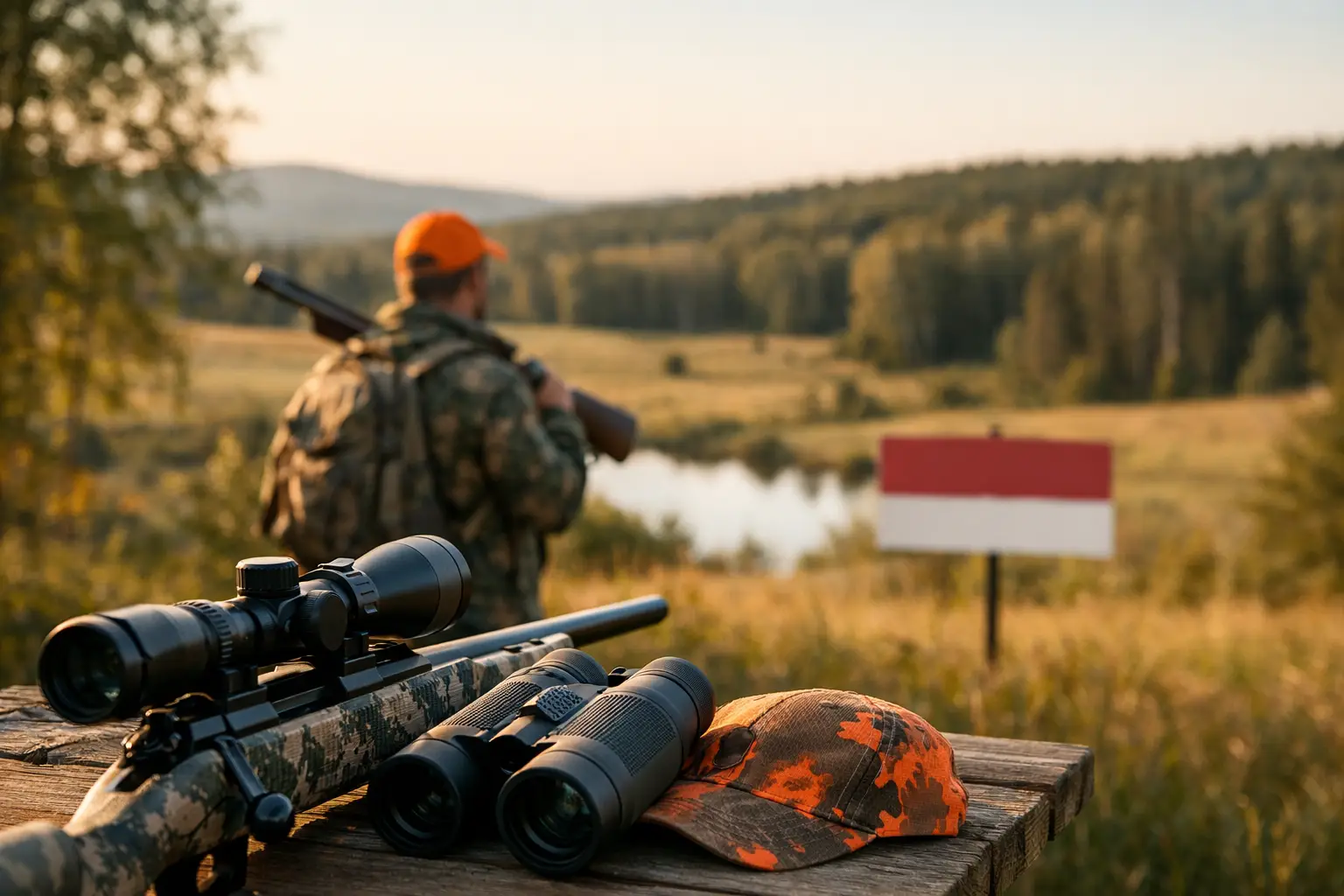
A cheap 20-acre tract can look perfect in photos, then fall apart the minute you ask where the deer actually move, whether legal access exists, or if you can even place a blind where you want. That is why shopping for hunting land for sale is different from shopping for almost any other kind of vacant property. You are not just buying acreage. You are buying access, habitat, usability, and long-term potential.
For some buyers, the goal is a private place to hunt every season without fighting public land pressure. For others, it is a recreational property that can also hold value, support future improvements, or become a family retreat. Both are valid, but they lead to different buying decisions. The best purchase is not always the biggest parcel or the lowest price per acre. It is the one that matches how you plan to use it.
What makes hunting land for sale different
A parcel can be rural and wooded and still be a poor hunting property. The details matter more here than in many other land purchases. Wildlife patterns, food sources, water, bedding cover, neighboring land use, and pressure from nearby roads all shape whether the property will actually hunt well.
That is why buyers need to think beyond a listing headline. A tract described as recreational, wooded, or secluded may still have major limitations. It might be landlocked, too narrow for safe shooting, heavily pressured by surrounding activity, or difficult to access during wet months. On the other hand, a property that looks plain at first glance may offer excellent habitat, strong travel corridors, and a layout that gives you multiple stand options.
If your goal includes both recreation and investment, hunting land can be especially attractive. Well-located rural acreage often appeals to more than one buyer type. Hunters, weekend campers, off-grid buyers, and long-term land investors may all see value in the same parcel. That broader appeal can matter later if you decide to sell.
How to evaluate hunting land for sale
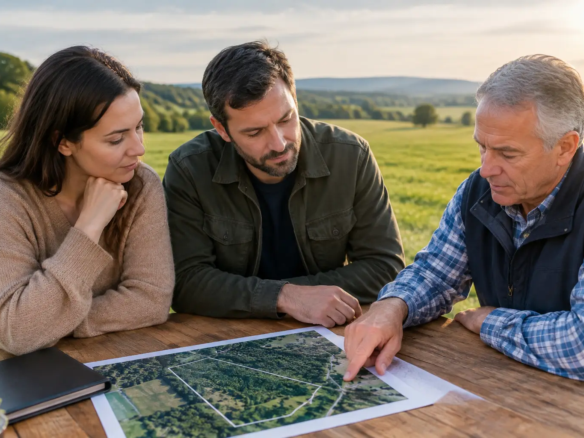
The first filter is simple: can you legally and practically use the property the way you want? Before getting attached to a tract, verify access, boundaries, and local rules. If there is no recorded access easement, or if use restrictions limit hunting activity, the listing may not fit your goals no matter how good it looks.
Access can make or break the deal
Physical access is about more than whether a vehicle can reach the land. You also want to know how you will enter and exit during hunting season without disturbing the entire property. A single access point on the wrong side of prevailing winds can limit how you hunt it. Road frontage is helpful, but quiet and strategic access is often more valuable.
Seasonal conditions matter too. Dirt roads can become hard to use after rain, and low areas may wash out. If you plan to bring in an ATV, trailer, or small cabin materials, make sure the route actually supports that use.
Habitat matters more than raw acreage
Bigger is not always better. A well-balanced 40-acre property with water, cover, and food can outperform a much larger parcel with poor habitat. Look for diversity in the land. Timber, brush, open pockets, creek bottoms, edge cover, and natural funnels all add value for hunters.
Wildlife sign tells a more honest story than listing language. Trails, rubs, scrapes, bedding areas, droppings, and game camera history can reveal how animals use the property. If the seller has managed the land, ask what has been done. Food plots, timber improvement, access trails, and pressure control can all increase usability.
Shape and layout affect how the land hunts
Two 50-acre parcels can perform very differently depending on shape. A long, narrow tract may have plenty of acreage on paper but limited hunting flexibility. You may deal with boundary pressure, safety concerns, and fewer stand locations. A more compact layout usually gives you better control of movement and better separation from neighboring activity.
Topography matters as well. Ridges, draws, creek crossings, and transitions between cover types can create natural movement patterns. Flat, open land can still work, especially in farm country, but it often requires a different strategy.
Zoning, game laws, and land use rules
One of the biggest mistakes buyers make is assuming rural land comes with unlimited freedom. It does not. County zoning, deed restrictions, HOA rules, and state hunting regulations all affect what you can do.
If you want to place a cabin, bring an RV seasonally, clear trails, or add food plots, confirm those uses in advance. If the property is part of a conservation program, there may be limits on improvements or management activity. If wetlands are present, some work may require permits.
You should also understand local hunting rules before you buy. Seasons, weapon restrictions, tagging requirements, baiting rules, and stand regulations vary by state and sometimes by management zone. A property that is ideal for one hunting style may be less appealing if local regulations limit how you prefer to hunt.
How to judge value without overpaying
Price per acre is useful, but it is not enough. Hunting land for sale should be valued based on the whole package, not just size. Access, habitat quality, water features, road frontage, improvements, market demand, and nearby land use all influence real value.
A lower-priced tract may need expensive work before it becomes useful. You might need to cut trails, improve access, install gates, address boundary issues, or spend years improving habitat. A more expensive parcel with strong deer movement, legal access, and a hunt-ready layout may actually be the smarter buy.
Comparable sales help, but true comps can be hard to find in rural markets. One property may have merchantable timber, another may border public land, and another may include a cleared build site. Those differences matter. Buyers should look at recent land sales in the area while also judging what makes a specific tract more usable than the average listing.
Financing hunting land takes a different path
Land financing is often less straightforward than home financing. Some banks are cautious with vacant rural property, especially smaller markets or highly recreational tracts. Down payments can be higher, and terms may be shorter.
That does not mean financing is out of reach. Some buyers use local banks or credit unions familiar with rural land. Others focus on owner-financed properties to reduce barriers and move faster. If monthly affordability matters more than securing a traditional loan, owner financing can open up options that might otherwise be missed.
This is one reason a land-focused marketplace matters. On BuyVacantLand.com, buyers can search land by intended use and financing type, which makes it easier to compare hunting properties that fit both lifestyle goals and budget.
Red flags buyers should not ignore
Some issues can be managed. Others should stop you cold until they are fully resolved. Landlocked parcels, disputed boundaries, unclear legal access, flood-prone access roads, and restrictions on hunting use are all serious concerns.
You should also be cautious if the property shows little wildlife sign despite strong listing claims, if neighboring land creates obvious safety issues, or if the tract is so small and exposed that pressure will be hard to control. Mineral, timber, or easement rights can also affect long-term use and value, so ask exactly what transfers with the sale.
The smartest buyers stay patient. Hunting land is emotional because it is tied to lifestyle, tradition, and personal goals. But emotion should not replace due diligence.
Buying for today and for the future
The best hunting property is not always the one that is perfect on day one. Sometimes the better opportunity is a tract with decent fundamentals and room to improve over time. Adding food plots, controlling access, improving habitat, and creating strategic stand locations can raise both enjoyment and resale potential.
That said, not every buyer wants a project. If your main goal is immediate use, prioritize properties that already offer strong access, visible game activity, and a layout you can hunt right away. There is no single right approach. It depends on your timeline, budget, and how hands-on you want to be.
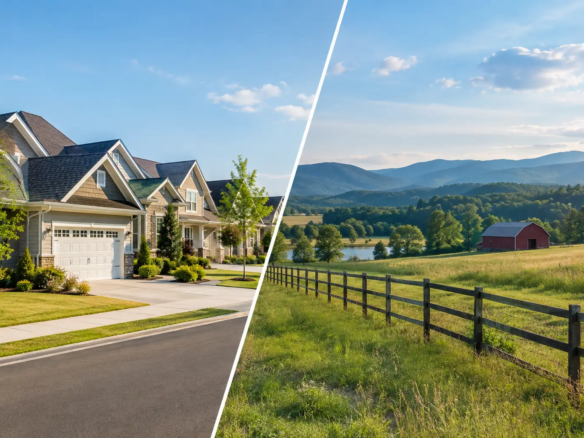
If you are comparing hunting land for sale across different states or regions, keep your intended use front and center. Some buyers want a compact weekend tract close to home. Others want larger acreage farther out with long-term upside. The right property is the one that works in real life, not just in a listing photo.
A good piece of hunting land gives you more than a place to spend a season. It gives you options – for recreation, for family use, and for future value. Buy with clear eyes, ask better questions, and give yourself the best chance to own land you will still be glad you bought years from now.

Join The Discussion