
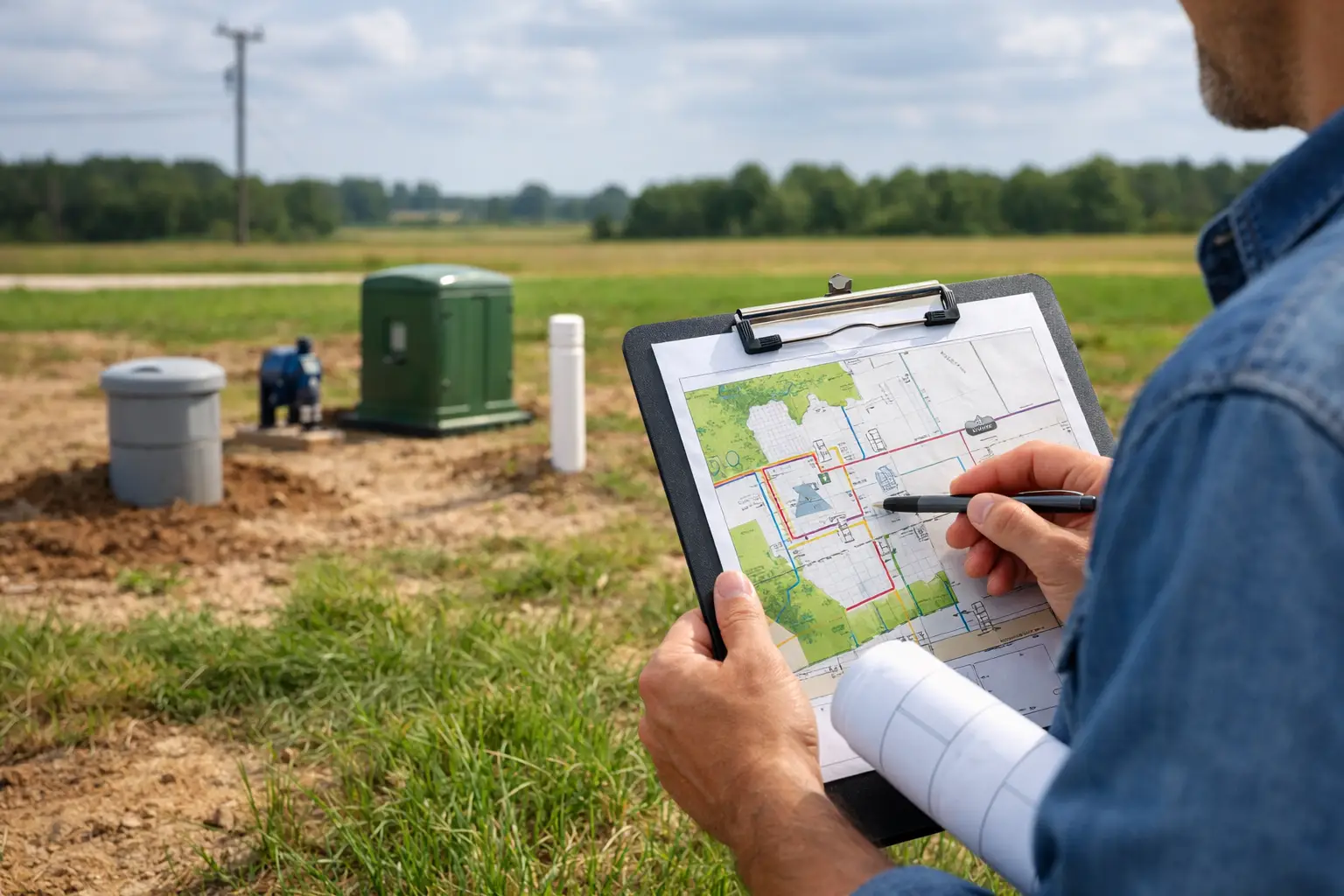
A parcel can look perfect on paper and still become an expensive headache the moment you ask a simple question: how will this land actually function? That is why learning how to assess land utilities matters before you make an offer. Utilities shape what you can build, what it will cost, how quickly you can use the property, and whether the deal still makes sense once the real numbers show up.
For some buyers, utility access is the difference between a ready-to-build lot and a long-term project. For others, especially off-grid or recreational buyers, limited utility service may be completely fine. The key is not assuming anything. Vacant land can sit next to developed property and still have very different utility options, easements, hookup fees, or permit requirements.
How to assess land utilities the smart way
Start with your intended use. A small camping lot, a future homesite, a rural cabin parcel, and a commercial tract all need different levels of service. If you only plan to park an RV occasionally, your standards may be lower than someone planning a full-time residence. If you want to build soon, utility access becomes a front-end due diligence issue, not something to figure out later.
That first filter helps you avoid overbuying or underestimating the property. A buyer chasing a low purchase price can end up spending tens of thousands on utility extensions, well drilling, septic design, or trenching. On the other hand, paying more for land with nearby service may save money and time overall.
Electricity is usually the first utility to verify
Many buyers assume power is available because poles are visible from the road. That is not enough. You need to know whether service is actually available to the parcel, how far the nearest connection point is, and what it will cost to extend power to your building site.
Call the serving utility company and ask for specifics tied to the parcel address or APN. Ask whether the property has an existing meter, whether new service is allowed, and whether any upgrades are required. Distance matters more than many first-time buyers realize. A line at the road may still leave you with major costs if the planned home site sits deep inside a large tract.
Terrain also changes the math. Rocky ground, creek crossings, tree clearing, and road boring can all push installation costs higher. In some cases, solar with battery storage may be a smarter fit than grid power, especially for remote recreational or homestead land. That is not always cheaper upfront, but it can be more practical than paying for a long utility run.
Water can be simple or very expensive
When assessing water, find out whether the parcel is served by a public water system or whether you will need a private well. If public water is available, ask the local utility district whether the property can connect now, what tap fees apply, and whether the line is already at the lot boundary.
If a well is required, ask more questions before you get comfortable. A neighboring property with a good well is helpful, but it is not a guarantee. Well depth, water quality, and production can vary from parcel to parcel. In dry regions or mountainous terrain, drilling costs can climb quickly.
This is where county environmental health departments, local well drillers, and nearby owners can give useful context. You want to understand the typical well depth in the area, common water issues, and any permit process involved. If you are buying rural land for a home, water is not a detail. It is one of the core economics of the deal.
Sewer and septic require more than a quick yes or no
Public sewer is usually easiest to value because there is a defined system, but you still need to verify capacity, connection location, and fees. Ask whether the parcel can connect directly and whether any impact fees or special assessments apply.
If there is no public sewer, the property will likely need a septic system. That means the real question is whether the land can support one. A successful perc test or soil evaluation is often the difference between buildable and not buildable for a residential buyer. Soil type, drainage, slope, lot size, and setbacks all affect septic approval.
Do not rely on seller assumptions or old verbal statements. Check with the county health department to see whether the parcel has a current septic permit, a past perc test, or any history of denial. Some land can support only certain system types, and engineered systems cost more than standard ones. The property may still work, but your budget needs to reflect reality.
Gas, propane, and heating options depend on location
Natural gas is less common on rural land than many buyers expect. If it is important to you, verify service directly with the utility provider. Ask whether the line reaches the parcel and what extension costs might be.
In many areas, propane is the realistic alternative. That is not necessarily a negative. Plenty of rural homes use propane for heating, cooking, and backup generators. But if you are comparing parcels, remember that a property without natural gas may require tank installation, delivery planning, and different appliance choices.
This is a good example of where land buying is not one-size-fits-all. A full-time residence, barndominium, hunting cabin, and weekend retreat may each have different heating and fuel priorities.
Internet and cell service now affect land value
Ten years ago, weak internet might have been an inconvenience. Today, it can be a deal-breaker. Remote work, security systems, streaming, business use, and even basic communication all depend on reliable service. If you are figuring out how to assess land utilities for modern use, internet belongs near the top of your checklist.
Do not trust a coverage map alone. Ask local providers whether they serve the parcel and what speeds are actually available. Fixed wireless, cable, fiber, DSL, satellite, and cellular hotspot options vary widely by location. A nearby road with service does not guarantee the same service for your specific lot.
It also helps to test cell signal on-site with your own carrier. If you are buying in a rural valley, wooded area, or mountainous region, reception may change dramatically from one corner of the property to another. For some buyers, that is part of the appeal. For others, it limits usability and resale appeal.
Utility easements, frontage, and location details matter
Even if utilities are nearby, you need legal and physical access to them. Easements give utility providers the right to install and maintain lines across certain areas. If a parcel is landlocked or lacks proper frontage, utility installation can become more complicated.
Review the survey, plat map, and county records for existing easements. Confirm whether utilities can be brought to the property without crossing neighboring land in a way that creates extra negotiation or cost. On larger acreage, think beyond the parcel boundary and look at the actual building envelope. Utilities may reach the land but still be far from where you can realistically build.
Use local sources, not assumptions
The best utility research usually comes from a mix of sources. County planning and zoning departments, health departments, utility companies, survey records, and local contractors each provide a different piece of the picture. Sellers can be helpful, but they should not be your only source.
This is one reason specialized land platforms like BuyVacantLand.com attract serious buyers. Land shoppers are not just comparing acres and prices. They are comparing what a property can realistically support, how soon it can be used, and what hidden costs may show up after closing.
Red flags that deserve a second look
A low-priced parcel with no verified water source, no power estimate, and no septic history may still be a good opportunity. But it is only a good opportunity if you price the uncertainty correctly. Cheap land can get expensive fast when every utility question leads to engineering, permits, and site work.
Pay attention when a listing uses vague language like utilities nearby, buyer to verify, or unknown septic status. Those phrases are common in land sales, and they do not always signal a bad property. They do signal that you need real answers before moving forward.
If your plan is flexible, limited utilities may not be a problem. Off-grid land, recreational parcels, and long-term holds can still be smart buys. The win comes from matching the land to your goals instead of forcing the wrong property to fit.
A strong land deal is not just about buying acres at the right price. It is about knowing what those acres can do for you, what they will require, and whether the path from raw land to usable property fits your timeline and budget. When you assess utilities carefully, you buy with clearer expectations and a lot more confidence.



Join The Discussion