
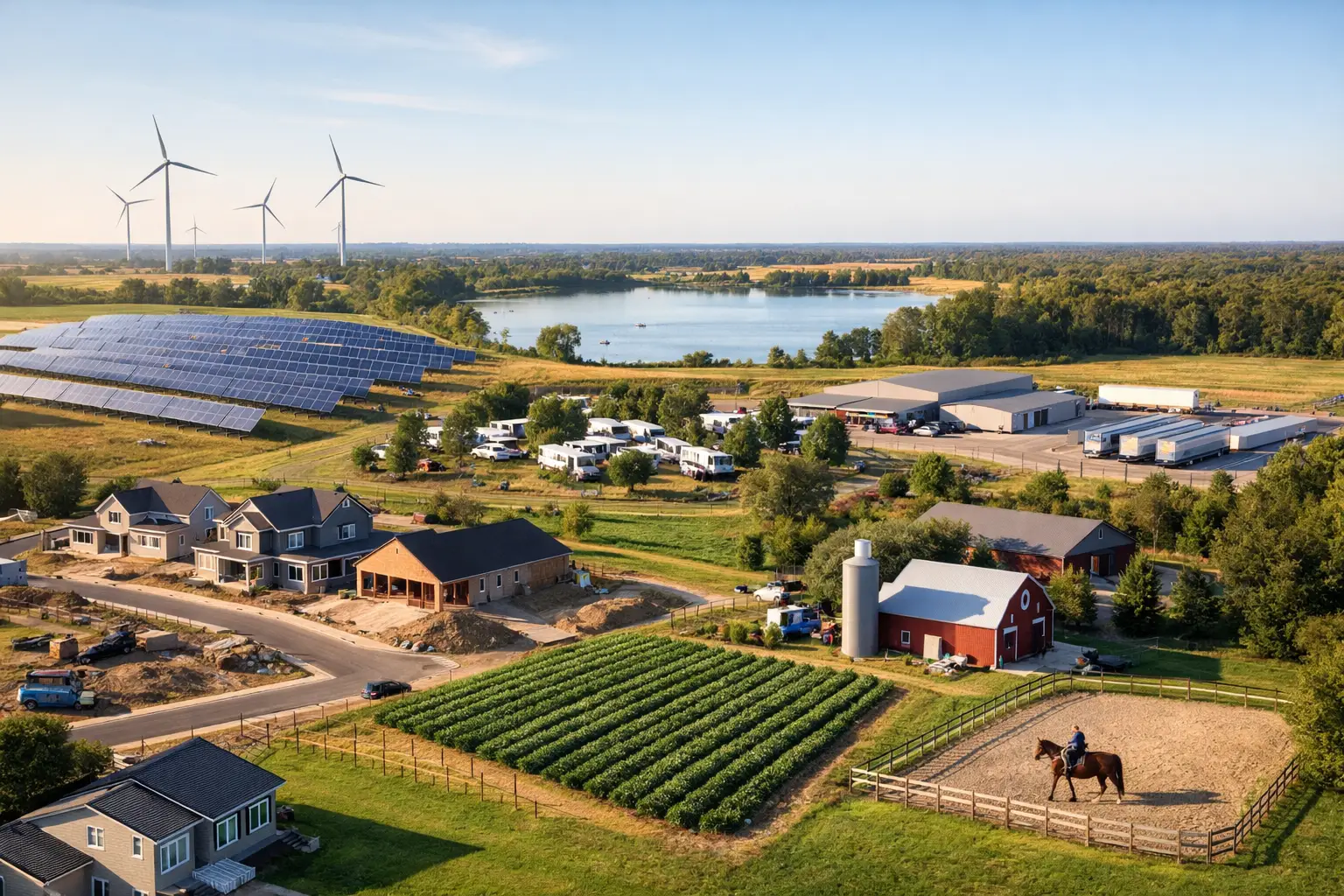
A vacant parcel is not a blank check. Its road access, zoning, utilities, terrain, flood risk, and local demand will shape what it can realistically become. Still, understanding the best uses for vacant land can help buyers spot opportunity beyond a simple future homesite – and help sellers present a property in a way that attracts the right audience.
The strongest land plan is usually the one that matches the parcel’s physical traits with a clear local need. A wooded five-acre tract outside town has different potential than an infill lot near a growing downtown, and both can be valuable when used well.
How to Choose the Best Use for Vacant Land
Start with the restrictions before you start imagining the return. Confirm the property’s zoning, minimum lot size, setbacks, building requirements, easements, deed restrictions, and whether the parcel has legal, usable access. County planning departments can explain permitted uses, but verify whether a proposed use requires a permit, special exception, or zoning change.
Next, look at the practical side. Is public water and sewer available, or will the property need a well and septic system? Can power be extended at a reasonable cost? Does the land have a driveway location, favorable topography, and enough usable ground outside flood-prone areas? These questions often matter more than the total acreage.
Finally, study demand within a realistic drive time. Nearby employers, population growth, tourism, agricultural activity, and development patterns can all affect the best path forward. An inexpensive parcel is only a good deal if its likely use makes sense for that location.
10 Best Uses for Vacant Land
1. Build a Primary Home or Future Homesite
A residential homesite is one of the most straightforward uses for vacant land. Buyers may purchase now to secure a preferred location, then build when their finances, retirement plans, or family needs line up. This approach can work especially well in areas where inventory is limited and land values are rising.
The trade-off is development cost. Before pricing a build, account for site clearing, driveway work, utility connections, septic approval, permits, and construction financing. A lot that appears affordable can become expensive if it lacks infrastructure or has difficult soils.
2. Create a Rural Retreat or Vacation Property
For buyers who want distance from crowded neighborhoods, land can become a weekend base for camping, a cabin, or a future getaway. Wooded acreage, mountain views, waterfront access, and proximity to public hunting or fishing areas can all strengthen recreational appeal.
This use does not always require immediate construction. Some owners start with basic improvements such as a gated entrance, cleared campsite, gravel parking area, or approved storage structure. Check local rules before placing an RV, tent, cabin, or tiny home on the property, since temporary and permanent occupancy rules vary widely by county.
3. Use It for Hunting and Outdoor Recreation
Hunting land can offer personal enjoyment while preserving long-term flexibility. A parcel with wildlife habitat, water, mature timber, food plots, and access to larger tracts may appeal to hunters even if it is not suitable for a traditional home.
Management matters here. Consider boundary marking, trail maintenance, liability concerns, local hunting regulations, and whether the acreage is large enough to be useful on its own. Leasing hunting rights may produce income in some markets, but owners should use clear written agreements and appropriate insurance before allowing others onto the land.
4. Start a Small Farm, Garden, or Homestead
Vacant land can support a more independent lifestyle through gardens, orchards, livestock, hay production, or a small-scale farm. For aspiring homesteaders, the goal may be less about maximizing income and more about building a place for food production, animals, and a future residence.
Productive soil, reliable water, drainage, fencing needs, and agricultural zoning are the major considerations. A beautiful rural parcel is not automatically farm-ready. Review soil information, ask about prior land use, and make sure the county allows the animals, structures, and business activity you have in mind.
5. Hold Land for Long-Term Appreciation
Land banking is the patient approach: buy a parcel in the path of growth, maintain it, and sell later when demand improves. It can be attractive because vacant land generally has fewer ongoing maintenance demands than a rental house. There are no tenants, roof repairs, or interior renovations to manage.
But appreciation is never guaranteed. Property taxes, association fees, brush control, and financing costs can reduce returns while you hold the land. Focus on areas with measurable indicators of demand, such as expanding road networks, employment growth, new subdivisions, or limited available buildable lots.
6. Subdivide a Larger Parcel
A larger tract may be worth more when divided into smaller, marketable lots. This can be a practical strategy where buyers want affordable acreage, rural homesites, or recreational tracts but cannot afford the full parcel.
Subdivision is not simply drawing lines on a map. It may require surveys, road improvements, approvals, utility planning, and compliance with frontage and access standards. In some areas, the approval process is costly or slow. Get a clear estimate of the entitlement work before assuming a split will add value.
7. Develop Storage, Parking, or a Small Commercial Use
Land near highways, industrial areas, growing suburbs, or popular recreation destinations may suit outdoor storage, boat and RV parking, contractor yards, self-storage, or another small commercial use. These uses can meet an obvious local need, particularly where residential neighborhoods restrict large vehicles and equipment.
Commercial potential depends heavily on zoning, visibility, traffic patterns, drainage, utility access, and screening requirements. It can also bring greater permitting complexity and higher upfront costs. For the right parcel, however, a simple storage-focused use may generate more value than residential development.
8. Place an RV Site or Campground Business
RV travel remains a strong driver of demand in lake areas, near trails, and along major travel routes. Depending on local regulations, a parcel may support one private RV site, a small group of campsites, or a larger campground operation.
The difference between personal use and a commercial campground is significant. Commercial operations can require engineered septic capacity, fire access, occupancy limits, insurance, and site approvals. A private RV lot may be much simpler, but it still needs legal access, sanitary solutions, and rules that allow the intended length of stay.
9. Manage Timber, Conservation, or Natural Resources
Forested land may offer value through timber management, habitat conservation, carbon-related programs, or simple preservation of a scenic natural area. A professional forester can help identify timber species, age classes, harvest timing, and the difference between a sustainable plan and a short-term cut that weakens the property’s future appeal.
Conservation can also complement other uses. Owners may preserve part of a parcel for wildlife while using another portion for a cabin, trails, or farming. Permanent conservation easements can offer benefits in certain situations, but they also limit future development rights, so they deserve careful legal and financial review.
10. Improve It for a Future Resale
Sometimes the best use is not a major project. A landowner can increase a parcel’s marketability by making it easier to understand and inspect. Clearing a modest building area, marking corners, adding a gate, improving access, obtaining a survey, confirming utilities, or completing a soil test can reduce buyer uncertainty.
These improvements are especially useful when selling to first-time land buyers. Clear facts about access, zoning, terrain, financing options, and nearby services help a property stand out. On a land-focused marketplace such as BuyVacantLand.com, that clarity helps shoppers quickly determine whether a parcel fits their plans.
Match the Plan to the Parcel
The best land use is rarely the most complicated one. It is the use that fits the rules, the site, your budget, and the buyers or users already looking in that area. A modest recreational tract with good access may outperform an ambitious development plan that requires years of approvals and major infrastructure spending.
Before you buy or invest further, write down the property’s likely use, backup use, estimated improvement costs, and exit strategy. That simple exercise can turn a promising piece of vacant land into a decision you can move forward with confidence.
Join The Discussion