

A rural parcel can sit for months for a simple reason: buyers cannot quickly picture what they can do with it. To sell rural property faster, make the opportunity clear before a buyer ever asks for a showing. That means a realistic price, useful property facts, strong visuals, and marketing that reaches people looking specifically for land.
Rural land is not a house sale with fewer rooms to photograph. A buyer may be evaluating road access, buildability, water, hunting potential, solar exposure, timber, nearby recreation, or future resale value. The seller who answers those questions early removes friction and earns more serious inquiries.
Price Rural Land for the Market You Have
The fastest path to a sale is not automatically the lowest price. It is a price supported by recent, truly comparable land sales. A five-acre wooded parcel with paved-road frontage, power nearby, and no known restrictions is not directly comparable to five acres down an unmaintained easement road. Acreage alone does not determine value.
Start by looking at recent sales in the same county or nearby area with similar acreage, access, terrain, utilities, zoning, and intended use. Active listings are helpful, but they show what sellers hope to receive, not necessarily what buyers are paying. If comparable properties are limited, widen the search carefully while adjusting for meaningful differences.
Also consider the buyer pool. A remote recreational tract may attract hunters, campers, and off-grid buyers. A small parcel near a growing town may appeal to future homeowners, mobile-home buyers, or investors. Pricing should reflect the most likely use, not just the highest possible use.
A common mistake is adding every past expense to the asking price. Survey costs, property taxes, and improvements matter, but buyers pay for current market value and usable potential. If your property has been listed for a while with little activity, a strategic price adjustment can be more effective than waiting for the market to catch up to an ambitious number.
Make the Property Easy to Understand
Land buyers are often willing to purchase from a distance, especially when the listing gives them confidence. Your job is to replace uncertainty with clear, organized information.
Begin with the basics: county, state, acreage, parcel number, annual taxes, zoning or land-use designation, and whether there are known deed restrictions or HOA requirements. Explain access plainly. Is the road public, private, deeded, or maintained by an association? If an easement is involved, say so and provide the relevant documentation when available.
Then cover utilities and natural features without overpromising. State whether electricity is at the road, on the property, nearby, or not confirmed. Clarify whether a well and septic system may be needed. If the land has a creek, pond, mature timber, mountain views, level building areas, fertile soil, or established trails, describe those features specifically.
Buyers also appreciate an honest explanation of limitations. Floodplain acreage, steep terrain, seasonal road conditions, wetlands, mineral-right questions, or access restrictions do not automatically prevent a sale. Hiding them, however, can derail a deal late in the process. Clear disclosures help you attract buyers whose plans actually fit the parcel.
Prepare Documents Before You List
A ready seller moves faster when interest turns into an offer. Gather your deed, legal description, tax information, survey or plat if one exists, title information, access agreements, and any well, septic, or soil-test records. If you have maps showing boundaries, trails, improvements, or utility locations, organize those as well.
You do not need to solve every due-diligence question in advance. Some buyers will still want their own inspections, survey, or title review. But having the available records ready demonstrates that you take the transaction seriously and prevents unnecessary delays.
Use Visuals That Sell the Experience
A single roadside photo rarely sells acreage. Strong land marketing helps a buyer understand both the parcel and the lifestyle or investment opportunity behind it.
Use current photos that show road frontage, entrances, open areas, tree cover, water features, views, trails, neighboring surroundings, and any improvements. Take photos in good light, and include a mix of wide shots and practical detail shots. If a buyer can drive onto the property, show the route from the nearest paved road or recognizable landmark.
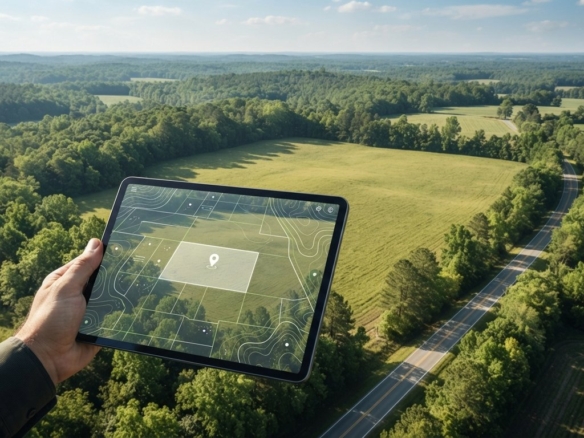
Aerial images are especially useful for larger tracts or irregularly shaped parcels. They can show approximate boundaries, neighboring land uses, proximity to lakes or towns, and the relationship between clearings and wooded sections. Mark boundaries carefully as approximate unless they are based on a recent survey. A labeled map should inform buyers, not create a boundary dispute.
Video can add real value when it shows the approach to the land, the condition of the road, and the terrain underfoot. Keep it practical. A two-minute walk-through that answers real questions often works better than a heavily edited promotional video.
Market to Land Buyers, Not Everyone
A general real estate audience may be searching for bedrooms, square footage, and school districts. Rural land buyers search differently. They may use terms such as hunting land, off-grid acreage, owner-financed land, RV property, homestead land, waterfront lots, or recreational property.
Your listing should use the terms that match the land’s legitimate strengths. A wooded tract near public hunting areas may be positioned for recreation. A level lot with road access and utility availability may appeal to a future homesite buyer. A remote parcel with wide-open sun exposure could interest off-grid and solar-minded buyers.
Avoid stuffing the description with every possible use. A property marketed as a ranch, farm, homestead, campground, hunting preserve, commercial site, and luxury retreat can sound less credible than one with a focused message. Lead with the strongest, most supportable opportunity, then mention secondary uses where appropriate.
A land-specific marketplace such as BuyVacantLand.com can put a rural property in front of people actively comparing acreage, lots, farms, recreational land, and specialty parcels. Exposure matters, but targeted exposure matters more. A buyer already searching by state, property type, and intended use is closer to taking action than someone casually browsing broad real estate listings.
Reduce Barriers to an Offer
Fast land sales usually come from simple next steps. Make it easy for buyers to ask questions, request documents, schedule a visit, and submit an offer. Respond quickly and directly. If you do not know an answer, say that and explain what you can provide or where the buyer may verify the information.
Consider whether flexible terms could widen your buyer pool. Cash offers often close quickly, but owner financing can attract qualified buyers who want land now and plan to build, improve, or refinance later. That approach involves trade-offs: you will need clear terms, appropriate documentation, and a realistic plan for managing payments and default risk. It is not right for every seller, but it can make an affordable parcel stand out.
Keep showings straightforward, too. Provide clear directions, confirm whether buyers need a gate code or four-wheel drive, and flag any seasonal access issues. Rural buyers expect some independence, but they should never have to guess where the property begins or whether they are allowed to enter.
Know When to Refresh the Listing
If your listing receives views but few inquiries, the issue may be price, presentation, or missing information. If it receives inquiries but no offers, buyers may be finding a concern during due diligence that the listing did not address. Pay attention to repeated questions. They reveal what needs to be clearer.
Refresh photos when seasons change or after you improve an entrance, clear a trail, mow an open area, or install signage. Update the description if you obtain a survey, confirm utility details, or learn of a relevant zoning change. Small improvements to clarity can create a meaningful increase in buyer confidence.
The best rural land listings do not rely on hype. They show a real property, explain its possibilities honestly, and make it simple for the right buyer to move forward. When your price, paperwork, presentation, and buyer targeting work together, your land has a far better chance of becoming the next property someone is ready to call their own.


Join The Discussion