
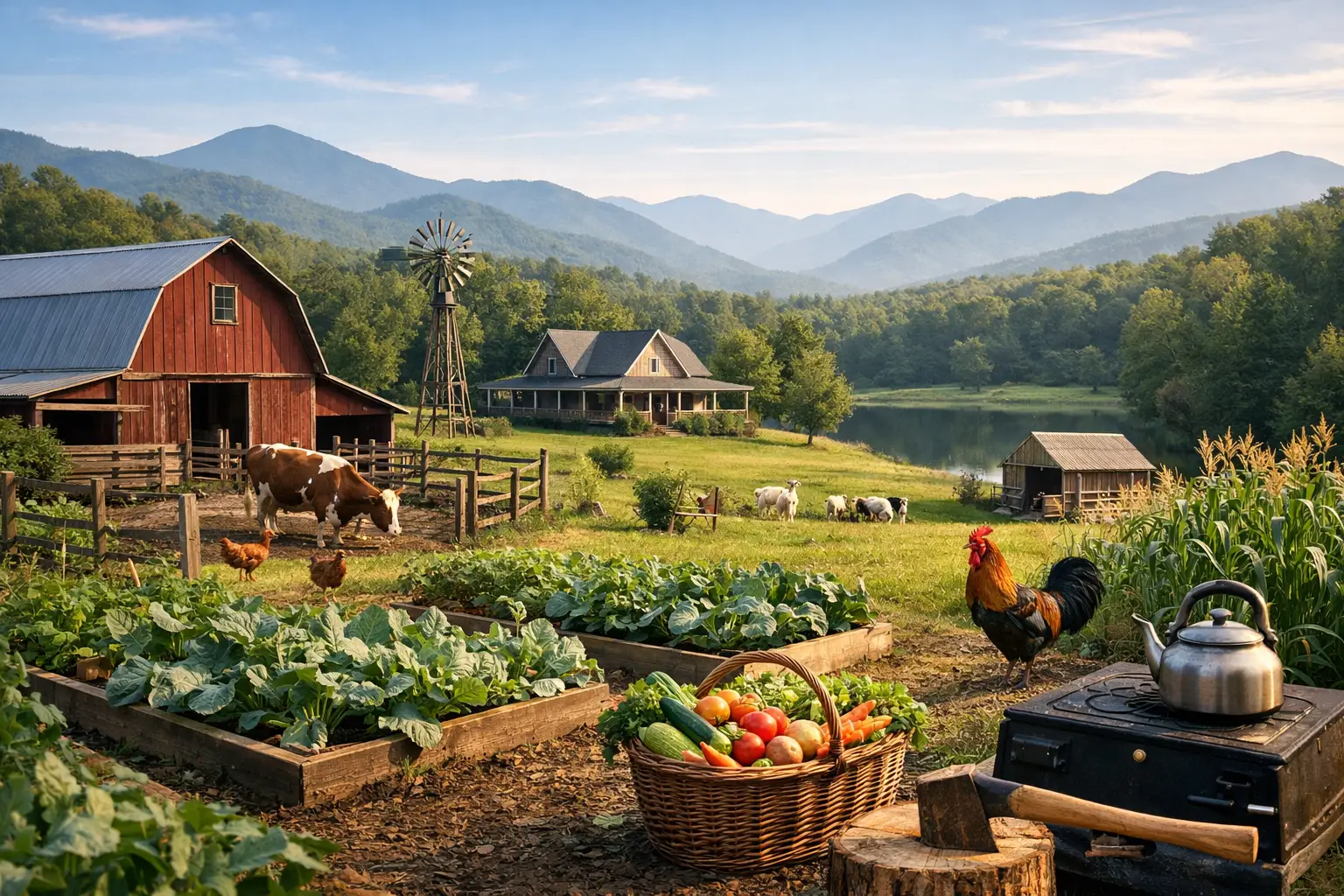
If you want chickens, a garden, maybe a small orchard, and enough elbow room to build a life on your own terms, location matters more than almost anything else. The top states for homesteading are not just the cheapest places to buy land. They are the places where land, water, climate, local rules, and day-to-day practicality line up well enough to make the lifestyle sustainable.
That is the key distinction many buyers miss. A low purchase price can look great at first, but if the growing season is too short, water is unreliable, zoning is restrictive, or access is poor, the property may cost more in time and money than it saves upfront. A strong homesteading state gives you room to work with, not just acreage on paper.
What makes a state good for homesteading?
Homesteading goals vary. One buyer wants full off-grid independence. Another wants a modest rural property with a garden, livestock, and lower living costs. Because of that, the best state depends on what kind of homestead you are trying to build.
Still, a few factors matter almost everywhere. Affordable land is a big one, especially for first-time buyers. Water access is just as important, whether that comes from reliable rainfall, a well-friendly area, or surface water rights. Climate shapes everything from crop choices to heating bills. Property taxes, building codes, county restrictions, and agricultural exemptions can also change the math fast.
Then there is the issue of access. Total isolation sounds appealing until you need feed, fencing, propane, veterinary care, or a hardware store within a reasonable drive. The strongest homesteading locations usually offer a middle ground – rural enough for privacy and self-reliance, but connected enough to be workable year-round.
Top states for homesteading in 2026
1. Tennessee
Tennessee stays high on almost every serious homesteading shortlist for good reason. It offers a long growing season, decent rainfall, and many rural areas where land is still more affordable than in much of the country. The state also has no tax on earned income, which can help families managing startup costs.
East Tennessee attracts buyers who want hills, natural water sources, and a greener landscape. Middle and West Tennessee can offer flatter, more usable ground for gardens and animals. The trade-off is that prices have risen in popular rural counties, so value depends heavily on local market conditions.
2. Missouri
Missouri is one of the most balanced options for buyers who want affordability without giving up practicality. Land prices can still be reasonable, especially outside the most in-demand recreational corridors. The state has good rainfall, four real seasons, and a strong agricultural foundation.
For many homesteaders, Missouri works because it does not force an extreme compromise. Winters are manageable compared with the Upper Midwest, while summers are productive enough for serious food growing. You still need to watch county-level regulations and soil quality, but the state offers a lot of workable ground.
3. Arkansas
Arkansas appeals to buyers who want lower land costs, a long growing season, and plenty of rural inventory. It is especially attractive for small-scale growers, people interested in poultry or goats, and anyone looking for wooded acreage with privacy.
The main upside is value. In many parts of Arkansas, your budget can stretch further than it will in neighboring states. The trade-off is that some areas are remote, infrastructure can vary, and hot, humid summers are not for everyone. If you want affordable land with decent rain and room to build steadily, Arkansas deserves a hard look.
4. Kentucky
Kentucky often gets overlooked, which is part of its appeal. It has productive farmland, a relatively long growing season, and many rural counties where land is still attainable for buyers who do not want a huge entry price. The state also offers a strong tradition of small farming and livestock.
Not every parcel will be ideal. Parts of Kentucky are hilly, and some wooded tracts need significant clearing before they support larger agricultural plans. But for buyers seeking a practical mix of affordability, water access, and rural community, Kentucky can be a smart play.
5. Oklahoma
Oklahoma works well for homesteaders who want space and lower costs. In many areas, land remains affordable, and the state has a long agricultural history. It can be a strong fit for cattle, chickens, large gardens, and buyers who want enough acreage to expand over time.
The challenge is weather. Wind, drought risk, and severe storms are real considerations, and water planning matters more here than in wetter states. That said, if you want open land and the freedom to build a working rural setup without paying premium pricing, Oklahoma has real upside.
6. Idaho
Idaho is a favorite among buyers drawn to self-reliance, privacy, and a strong rural culture. The state offers beautiful landscapes, useful agricultural regions, and in some areas, good support for off-grid or semi-off-grid living. For the right buyer, Idaho feels aligned with the homesteading mindset.
The downside is cost. Idaho is not the bargain it once was, especially in high-demand counties. Winters can also be serious, which affects heating, livestock care, and year-round access. If your budget is solid and you want a state with a strong independent spirit, Idaho stands out.
7. Michigan
Michigan is a strong option for buyers who value water, fertile soil in many regions, and lower land prices than parts of the Northeast or West. The state offers strong gardening potential, especially in southern and central areas, and plenty of rural properties suited to hobby farming or full-time homesteading.
The obvious trade-off is winter. A Michigan homestead needs a plan for snow, cold, storage, and season extension. But if you can handle the climate, the upside is significant – especially for buyers who want abundant freshwater and less drought pressure than many western states.
8. Maine
Maine is not the easiest state for homesteading, but it can be one of the most rewarding. It attracts buyers who want privacy, woodlots, cooler weather, and a slower, more self-directed pace of life. Land can still be affordable in certain rural areas, and the culture often aligns well with practical independence.
The growing season is shorter, so Maine is better for homesteaders who are realistic about climate and willing to adapt. Greenhouses, root cellars, firewood, and winter prep matter here. For buyers who want resilience more than convenience, Maine has a lot going for it.
9. West Virginia
West Virginia offers some of the most affordable rural land in the eastern United States. For buyers who want to stay within reach of East Coast markets while still finding lower-cost acreage, that is a big advantage. Rainfall is generally reliable, and many areas support gardens, small livestock, and timber use.
Topography is the main factor to watch. A cheap parcel on paper may be steep, hard to access, or less usable than expected. Still, if you focus on buildable, accessible land with decent soil and water potential, West Virginia can offer strong value.
10. New Mexico
New Mexico belongs on this list because homesteading is not always about lush farmland. For some buyers, it is about space, solar potential, low population density, and the freedom to create an off-grid setup. In the right area, New Mexico can be ideal for that kind of vision.
This is also one of the clearest examples of why cheap land alone is not enough. Water is the central issue, and buyers need to understand wells, hauling, catchment, and local restrictions before making a move. If you are prepared for dry conditions and want an off-grid friendly environment, New Mexico can be a strategic choice.
How to choose the right state for your homestead
The smartest approach is to work backward from your actual plan. If you want fruit trees, row crops, and rain-fed gardening, dry western land may create more headaches than savings. If your goal is solar, privacy, and low-cost acreage, a cold, wet state may not fit the lifestyle you have in mind.
Budget should shape the search, but so should county rules, road access, and land usability. Ten acres of steep timberland is very different from ten acres of open pasture. Before you buy, check zoning, legal access, flood risk, soil conditions, utility options, and whether wells and septic systems are common and feasible in the area.
This is where a land-focused marketplace can save time. Instead of sorting through generic residential listings, buyers can narrow their search around acreage, property type, and state-specific opportunities. On BuyVacantLand.com, that kind of focused search makes it easier to compare parcels that actually match a homesteading plan.
A quick reality check before you buy land
The top states for homesteading all offer opportunity, but none of them are plug-and-play. Cheap land may need clearing, fencing, water development, road improvements, or months of due diligence. Even in a homesteading-friendly state, success usually comes down to parcel selection, not just the state line.
A good property should make your plan easier, not harder. If you stay clear on your goals, respect the trade-offs, and choose land that fits both your budget and your daily needs, you give yourself a much better shot at building something that lasts.

Join The Discussion