
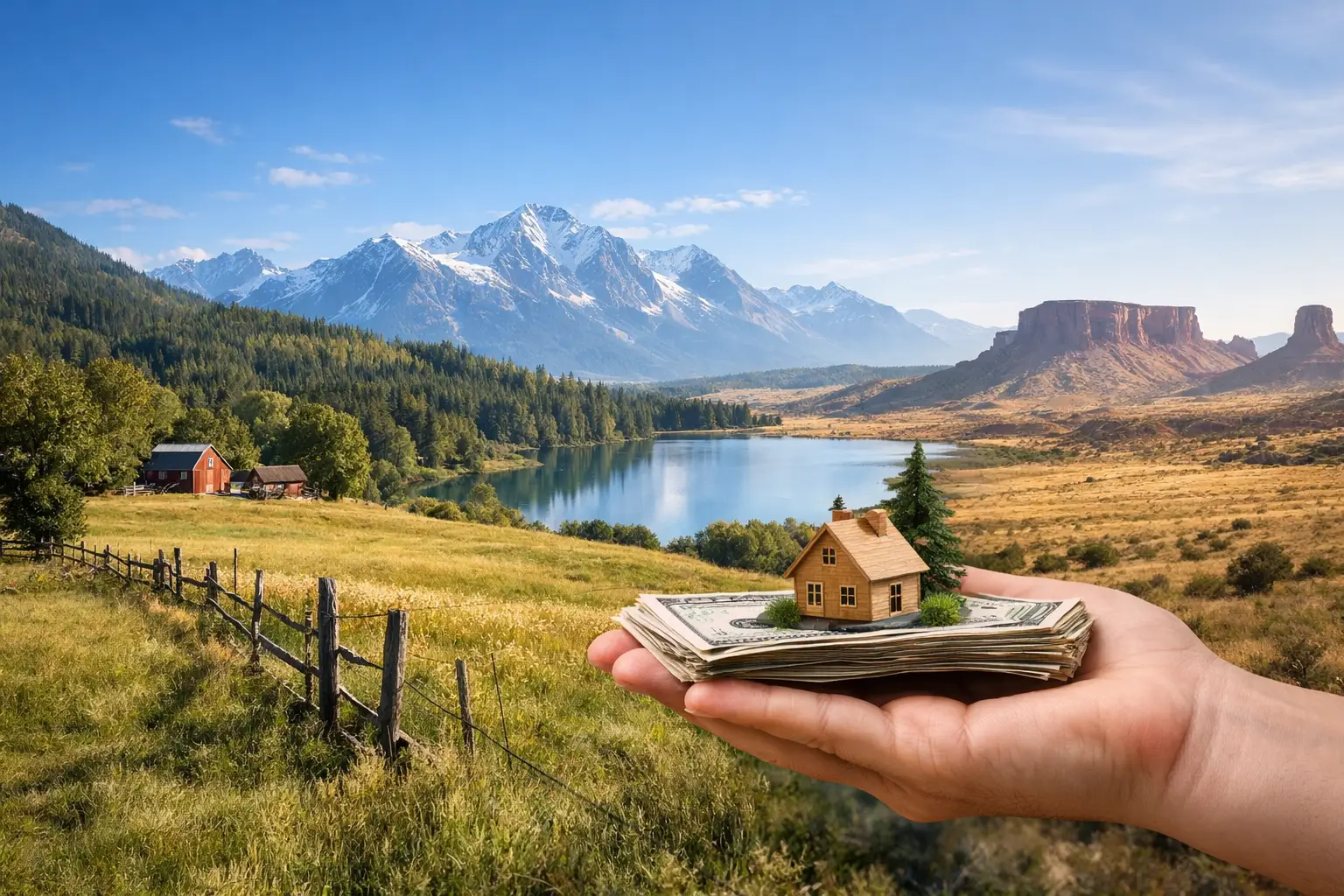
A five-acre parcel in the wrong county can be far less useful than one acre in the right one. That is why the best states to buy land are not simply the places with the lowest asking prices. A smart purchase balances price, access, intended use, taxes, water, local rules, and the likelihood that other buyers will want the property later.
For a first-time buyer, that may mean a buildable homesite near a growing town. For an investor, it may mean affordable acreage with a clear path to resale. For a hunter, retiree, or aspiring homesteader, it may mean privacy, usable ground, and room to create the lifestyle they want. The states below stand out because they offer real opportunity, but each one rewards buyers who match the parcel to a clear purpose.
What Makes a State Good for Land Buyers?
A state can have thousands of inexpensive listings and still be a difficult place to buy. In remote areas, the lowest-priced parcels may lack legal access, reliable water, utilities, or a realistic path to building. On the other hand, a higher-priced lot near employment, roads, and services may be more practical and easier to sell.
The strongest markets tend to combine several advantages: a broad supply of rural land, relatively manageable property taxes, a buyer-friendly price point compared with nearby states, and demand from people seeking recreation, retirement, development, or a rural escape. Zoning matters just as much. Counties often set the rules that determine whether you can place a manufactured home, camp, keep livestock, drill a well, or split the property in the future.
Use statewide trends to narrow your search, then evaluate every parcel at the county level. Land is local by nature.
10 Best States to Buy Land
1. Arizona
Arizona remains a top choice for buyers who want affordable desert acreage, off-grid potential, and wide-open views. Northern and eastern parts of the state offer opportunities for recreational parcels, cabin sites, and long-term holds, while areas closer to Phoenix and Tucson can appeal to buyers tracking growth.
The trade-off is water. Confirm whether a well is feasible, how hauling water works in the area, and whether the parcel has legal road access. Desert land can be an excellent value, but a low purchase price does not eliminate the need for site preparation.
2. Arkansas
Arkansas offers a compelling mix of green scenery, timber, lakes, wildlife, and comparatively accessible rural prices. It is a natural fit for homesteaders, hunting land buyers, and people who want a weekend property that feels truly removed without being impossible to reach.
Look carefully at terrain and drainage. Beautiful Ozark acreage can be steep, and creekside land may have floodplain considerations. Parcels with usable building areas, maintained access, and nearby power often deserve a premium.
3. Florida
Florida is not always the cheapest option, but it offers something many land buyers value: steady demand. Buyers pursue Florida land for rural homesites, small farms, recreational use, RV-friendly properties, and long-term investment in growing regions.
The right location makes all the difference. Inland counties can offer more acreage for the money than coastal markets, but buyers should verify wetlands, flood zones, environmental restrictions, and utility availability before making an offer. A dry, buildable parcel with clear access can be far more valuable than larger acreage with major site constraints.
4. Missouri
Missouri combines central location, four-season recreation, productive ground, and a wide range of property types. Buyers can find wooded parcels, hunting tracts, open acreage, and rural homesites across the state. Its practical location also helps appeal to buyers from surrounding metro areas.
For investment-minded buyers, focus on road frontage, survey clarity, and nearby demand drivers. For lifestyle buyers, evaluate soil, septic suitability, and the condition of any creek crossings or private roads. Missouri land can support many uses, but the details of the tract matter.
5. Tennessee
Tennessee draws buyers looking for a rural lifestyle without giving up access to towns, music cities, mountains, or lakes. Demand can make popular areas expensive, yet buyers who search beyond the hottest counties can still find attractive acreage for cabins, homesteads, and recreation.
The key is to separate scenic land from usable land. Sloping parcels can have incredible views but limited build sites. Ask about road maintenance, easements, soil testing, and restrictions before assuming a wooded tract can support the home or getaway you have in mind.
6. Texas
Texas gives land buyers exceptional variety. Depending on the region, you can shop for ranch land, hunting acreage, rural residential lots, farmland, or property near expanding cities. The state’s size also creates opportunities across a wide range of budgets.
Texas rewards careful due diligence because property rules can vary sharply by county and subdivision. Check deed restrictions, agricultural exemptions, access, mineral rights, and water availability. In some areas, mineral rights may be separate from the surface estate, which deserves special attention before closing.
7. New Mexico
New Mexico is a strong contender for buyers seeking affordability, privacy, and a low-density setting. It attracts off-grid buyers, recreational land shoppers, and investors who want acreage in a state with dramatic landscapes and relatively light competition in many rural areas.
However, remote land needs a realistic plan. Inspect roads, confirm legal access, understand the distance to services, and investigate water options. If you want to build, local permitting and septic requirements should be part of your decision before you commit.
8. North Carolina
North Carolina gives buyers choices that range from mountain lots to farmland and coastal-area opportunities. Population growth and a diverse economy create lasting interest in well-located land, especially near smaller cities and outdoor destinations.
Affordability varies widely. Mountain parcels may bring slope, road, and septic challenges, while eastern properties may involve drainage or flood concerns. Buyers who prioritize a practical homesite and access to a growing community can find strong long-term value here.
9. Colorado
Colorado land can be a smart choice for buyers focused on recreation, mountain living, and future demand. Popular regions are expensive, but southern and eastern areas can offer more approachable acreage, particularly for buyers comfortable with a rural or off-grid setting.
Climate is the biggest factor. High elevation, winter access, wildfire risk, water rights, and building costs can change the economics of an otherwise appealing listing. Colorado works best for buyers who budget for the full ownership picture, not only the land price.
10. Michigan
Michigan deserves attention from buyers who want woods, water access, hunting, and four-season recreation. Northern Michigan and the Upper Peninsula offer the kind of outdoor appeal that keeps recreational properties in demand, while other parts of the state provide agricultural and rural residential options.
Buyers should account for snow access, soil conditions, and seasonal road maintenance. If waterfront or lake access is part of the plan, confirm exactly what rights transfer with the property. A nearby lake is not the same as deeded access.
How to Choose Among the Best States to Buy Land
Start with the use case, not the map. If you want an affordable off-grid parcel, Arizona, New Mexico, and parts of Colorado may deserve attention. If you want timber, hunting, and a greener homestead setting, Arkansas, Missouri, Michigan, and Tennessee may fit better. If your goal is long-term growth near expanding markets, selected areas of Florida, Texas, North Carolina, and Tennessee may be worth comparing.
Then establish a total budget. Land buyers often focus on the down payment and forget the cost of surveys, title work, driveway installation, clearing, wells, septic systems, power extensions, permits, and property taxes. Owner financing can make land ownership more attainable, but the payment terms, interest rate, default provisions, and prepayment options should be reviewed with the same care as the parcel itself.
Due Diligence Before You Make an Offer
Before you buy, verify the facts that turn a listing into a usable property:
- Confirm legal and physical access, including any recorded easements and private-road obligations.
- Review zoning, deed restrictions, and county rules for your intended use.
- Check flood zones, wetlands, slope, soil, and any environmental limitations.
- Verify utility options, well feasibility, septic requirements, and cell service if those matter to you.
- Order or review a survey, examine title, and understand exactly which rights transfer with the land.
Aerial photos and listing descriptions are useful starting points, not final proof. When possible, walk the property or have a qualified local professional inspect the details that affect value and usability.
BuyVacantLand.com makes it easier to compare parcels by state and land type, but the winning move is still a focused search. Pick a state that supports your goal, identify counties with workable rules and demand, then give each property the careful review it deserves. The right parcel is not just land you can afford – it is land you can use, enjoy, and feel confident owning for years to come.


Join The Discussion