

A low listing price can make a vacant parcel look like a once-in-a-lifetime opportunity. But with residential lots for sale, the real question is not simply, “Can I buy it?” It is, “Can I use it the way I intend to use it?” A lot that supports a future home, a manufactured home, a cabin, or a long-term investment can be a powerful asset. A lot with unclear access, restrictive zoning, or costly utility requirements may be a very different deal.
The smart way to buy land is to match the parcel to a specific goal before you fall in love with the view, the acreage, or the price. Whether you are planning a primary residence, a retirement home, a weekend base camp, or a future build, a little focused due diligence protects your budget and gives you more confidence at closing.
What Makes a Lot Truly Residential?
“Residential” is a useful listing category, but it is not a guarantee that every type of home can be built on every parcel. In many areas, zoning controls what can be constructed, how large it can be, where it must sit on the lot, and whether a manufactured, modular, mobile, or tiny home is allowed.
Start by confirming the parcel’s zoning designation with the city or county planning department. Ask what uses are permitted by right and which uses need special approval. If you have a particular plan, be direct: Can you build a single-family home? Is a manufactured home permitted? Can you place an RV on the property while building? Are short-term rentals allowed? The answers can vary dramatically between neighboring counties and even between nearby subdivisions.
Deed restrictions and homeowners association rules deserve the same attention. A parcel may be properly zoned for a residence but still have private covenants that require a minimum home size, prohibit certain building materials, or limit outbuildings. These restrictions are not always a deal-breaker. They simply need to fit the lifestyle and budget you have in mind.
How to Evaluate Residential Lots for Sale
A residential lot is more than a boundary line on a map. Its value comes from what it allows you to do, what it will cost to improve, and how easily it can be used or sold later. Before making an offer, evaluate the practical pieces that turn raw land into a buildable homesite.
Confirm legal and physical access
A property needs reliable, legal access. A visible dirt road is not enough if no recorded easement gives the owner the right to use it. Ask whether the lot fronts a public road, is served by a private road, or relies on an easement. If a private road is involved, find out who maintains it, whether there are road fees, and how it performs during heavy rain, snow, or seasonal conditions.
Access affects daily convenience, construction costs, financing options, and resale appeal. A remote lot can be exactly right for privacy and recreation, but buyers should understand the trade-off. Saving money on a secluded parcel may mean spending more on road work, driveway installation, and delivery logistics.
Price utilities and site preparation early
Utilities are one of the largest differences between an affordable lot and an affordable home site. Verify whether electricity, water, sewer, natural gas, and internet are already available at the lot line or whether they are merely nearby. “Nearby” can mean an expensive extension.
If public water and sewer are unavailable, determine whether the property can support a well and septic system. A septic feasibility review, soil test, or perc test may be required before installation. In some locations, steep slopes, high water tables, rocky soil, or small lot sizes can limit septic options.
Site preparation also matters. Clearing trees, grading a homesite, installing a culvert, building a driveway, and managing drainage can add meaningful costs. Ask for a realistic estimate based on the terrain, not a guess based on the acreage. A level, utility-ready lot may carry a higher purchase price but be the better value once development costs are considered.
Review surveys, boundaries, and flood conditions
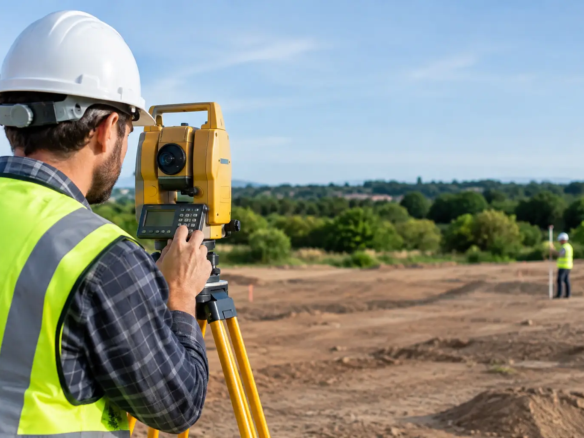
Do not assume fences, tree lines, or a seller’s map show the exact property boundaries. A current survey can clarify corners, easements, encroachments, and acreage. It is especially valuable when you plan to build near a boundary, add fencing, or subdivide in the future.
Review flood zone information as well. Floodplain land is not automatically unusable, but it can affect where and how you build, insurance requirements, and future buyer interest. The same goes for wetlands, drainage easements, and protected areas. These details should shape your offer and building plan before money changes hands.
Set a Land Budget That Covers More Than the Purchase Price
Land buyers often focus on the down payment and monthly payment, then discover the real costs begin after closing. A more useful budget includes the land price, closing costs, survey work, inspections, permitting, utility connections, driveway work, clearing, septic, well drilling, and the first phase of construction.
Not every buyer needs to improve a lot immediately. Buying now and building later can be a smart strategy in an area with growth potential or limited inventory. Still, carry costs matter. Factor in property taxes, any association dues, maintenance, and the possibility that construction prices or loan rates may change before you build.
Financing also varies by parcel and buyer profile. Traditional construction loans may work well for qualified buyers with a defined build plan. Land loans can be available, though terms may differ from a conventional mortgage. Some sellers offer owner financing, which can provide flexibility for buyers who need a simpler path to ownership. Read the terms closely, including the interest rate, payment schedule, balloon payment, default provisions, and who pays taxes or insurance.
Location Is More Than a Zip Code
The right location depends on your intended use. A family building a full-time home may prioritize school districts, commute time, healthcare, grocery access, and dependable high-speed internet. A retiree may value a quiet setting, manageable property size, and proximity to services. An investor might focus on population growth, road improvements, nearby employment, and demand for new housing.
Look beyond the lot itself. Visit at different times if possible. Notice traffic, neighboring uses, noise, road conditions, and how far you truly are from the places you will use every week. If you are buying in a rural area, confirm emergency-service access and cellular coverage. These practical details rarely make a listing headline, but they strongly influence long-term satisfaction.
Know When a Cheap Lot Is Actually a Good Deal
A lower-priced parcel may be a great opportunity when its limitations match your plans. For example, a wooded lot without public sewer might be ideal for someone who wants privacy, has time to develop, and can budget for a well and septic system. The same lot may be a poor fit for a buyer who needs to build quickly with a tight construction budget.
Compare lots based on usable value, not just price per acre. A smaller parcel with road frontage, approved septic potential, nearby power, and flexible zoning may be worth more to you than larger acreage with major constraints. Land is not one-size-fits-all, which is why a land-first marketplace such as BuyVacantLand.com can make comparison easier by helping buyers narrow listings by location, property type, and intended use.
Before you commit, give yourself room to verify the facts. Review the listing details, contact the appropriate local offices, inspect the land, and consult qualified professionals when the purchase depends on a survey, soil evaluation, legal access, or a complex building plan. The cost of asking the right questions is small compared with the cost of solving a surprise after closing.
The best lot is not necessarily the biggest, cheapest, or closest one available. It is the parcel that gives your next move a realistic path forward – from a clear title and usable access to a home site that fits the life you want to build.

Join The Discussion