
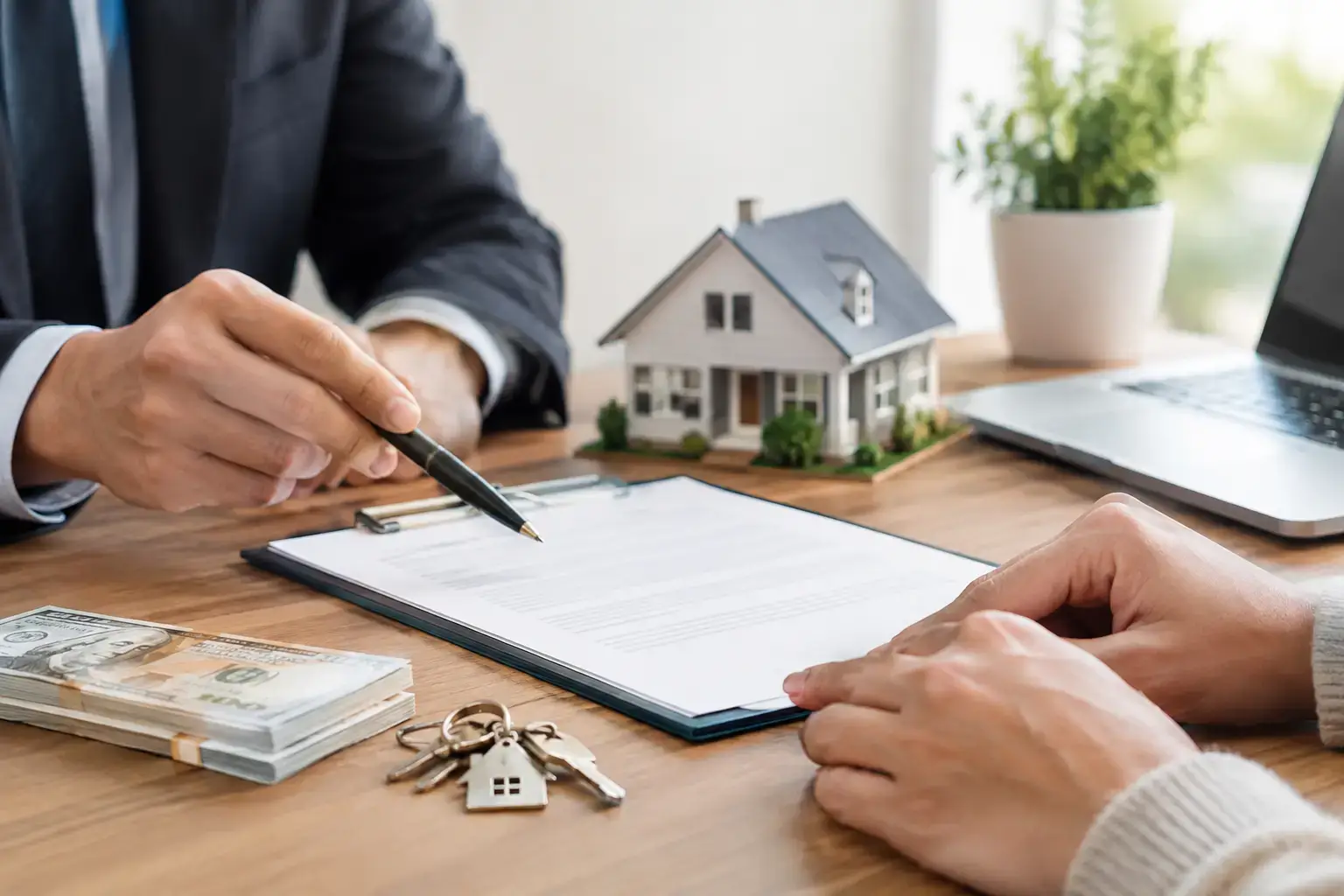
A vacant parcel may not come with a house inspection, moving trucks, or a stack of appliance warranties, but it still comes with a closing table. So, who pays land closing costs? In most U.S. land transactions, both the buyer and seller pay certain costs, while the exact split depends on local custom, the purchase agreement, financing, and what each party negotiates.
The good news is that closing costs on raw land are often more straightforward than home closing costs. The catch is that land has its own due diligence needs: access, survey boundaries, zoning, utilities, soil conditions, title issues, and sometimes unpaid taxes or association assessments. Knowing which expenses belong to whom helps you evaluate a property with clear eyes and make an offer that supports your goals.
Who Pays Land Closing Costs?
There is no single national rule. A seller in one county may routinely pay for an owner’s title insurance policy, while sellers a few counties away may expect the buyer to cover it. In a competitive market, buyers may agree to cover more costs to strengthen an offer. When a parcel has sat for sale for a while, a seller may offer credits or pay selected fees to keep the deal moving.
The purchase agreement controls the final answer. Before you sign, it should clearly state who pays the title company or closing agent, recording fees, transfer taxes, title insurance, survey charges, loan costs, and any past-due obligations. Never assume that a cost is included simply because it is customary where you live or because it was handled that way in a previous home purchase.
A practical rule of thumb is this: buyers usually pay for the costs tied to acquiring and financing the land, while sellers usually pay for the costs required to deliver clear, marketable title. But there are plenty of exceptions.
Costs the Land Buyer Commonly Pays
A buyer’s expenses often begin with due diligence and continue through recording the deed. If you are financing the purchase, expect lender-related charges in addition to the closing costs paid to the title company or attorney.
Buyers commonly pay for a lender’s title policy when there is a loan, loan origination and underwriting fees, appraisal fees if required by the lender, credit report fees, and prepaid interest. Buyers also commonly pay recording fees for the new deed and mortgage or deed of trust, although this varies by location.
On vacant land, buyers may also choose to pay for a new survey, boundary staking, a perc test, environmental review, well estimate, utility availability confirmation, or access review. These are not always formal closing costs, but they are real transaction expenses. They can be especially valuable for acreage intended for a home, cabin, farm, RV site, or future development.
A cash buyer avoids lender fees, which can make closing simpler and less expensive. Cash does not eliminate the need for title work, a deed, or recording, however. It also should not eliminate careful research. A lower-cost rural parcel can become expensive quickly if legal access is uncertain or if the intended use is not allowed.
Costs the Seller Commonly Pays
Sellers typically pay costs related to transferring a clean title. That can include paying off any liens, delinquent property taxes, unpaid association dues, or judgments that affect the parcel. If the seller has an existing loan against the land, the loan payoff is also the seller’s responsibility.
In many markets, the seller pays for an owner’s title insurance policy that protects the buyer against covered title problems. In other markets, the buyer pays it, or the parties negotiate a split. The title company can explain local practice, but local custom is only a starting point, not a requirement.
Sellers may also pay transfer taxes, deed preparation costs, attorney fees, brokerage commissions, and a share of the settlement or escrow fee. If the property has a known title defect, boundary dispute, access issue, or estate-related paperwork to resolve, the seller may need to spend more before closing can happen.
For sellers, paying a limited buyer credit can be a smart business decision when it protects the agreed sale price and keeps a qualified buyer in the transaction. A credit toward title fees, survey costs, or closing charges can be more effective than reducing the price, particularly when the buyer needs cash available for post-closing improvements.
The Land-Specific Expenses That Change the Math
Land closing costs can look modest until a property-specific issue appears. Unlike a finished home, vacant land often requires buyers to confirm what can actually be done on the parcel.
Legal and physical access are major examples. A parcel may appear reachable on a map but lack recorded access from a public road. If an easement must be clarified, insured, or created, the cost and timeline can change. The same is true when an old survey conflicts with a fence line or neighboring owner’s understanding of the boundary.
Zoning and building feasibility also matter. Before spending heavily on closing, verify the property’s permitted uses, minimum lot size rules, setback requirements, floodplain status, and any county restrictions affecting manufactured homes, RVs, livestock, short-term rentals, or off-grid living. If you plan to build, investigate septic suitability and water options early. These checks may not be paid at closing, but they should be part of your all-in land budget.
Property taxes deserve a close look as well. Taxes are often prorated at closing, meaning the buyer and seller each pay the portion attributable to their ownership period during the tax year. The method varies by state and whether taxes are paid in advance or arrears. Ask for the calculation rather than relying on an estimate.
How to Negotiate Land Closing Costs Without Losing the Deal
Start by deciding what matters most: a lower purchase price, less cash needed at closing, a faster close, or certainty around a specific due diligence issue. You can negotiate for the outcome you need rather than arguing over every small line item.
If you are a buyer, a clean offer with a realistic closing date may give you room to ask the seller to cover the owner’s title policy, a portion of settlement fees, or a credit toward closing costs. If the seller is offering owner financing, ask how document preparation, servicing, recording, and any note or deed of trust fees will be handled. Those details should be written into the agreement.
If you are selling, request proof that the buyer has funds or financing before agreeing to broad credits. You can also set reasonable due diligence deadlines so the property is not tied up while the buyer investigates basic questions that could have been answered before an offer.
The strongest negotiations stay focused on the full transaction. A seller who pays a $750 title charge may secure a faster, cleaner closing. A buyer who accepts a customary fee split may win a desirable lot with limited competition. The right arrangement is the one that keeps the deal fair and financially workable for both sides.
Review the Closing Disclosure or Settlement Statement Carefully
Shortly before closing, you should receive a settlement statement, closing disclosure, or similar itemized document. Read every charge. Confirm the purchase price, earnest money credit, tax prorations, title charges, recording fees, seller credits, commission, and cash needed to close.
Ask questions when a fee is unfamiliar or differs from the purchase agreement. A title company, closing agent, or real estate attorney can explain the charge, but you are still responsible for approving the final figures. This review is your last clear opportunity to catch a missing credit, duplicated fee, or incorrect tax adjustment.
Buying or selling land is an opportunity to create something on your own terms, whether that means a homesite, a hunting retreat, a long-term investment, or room to build later. Price the parcel carefully, budget beyond the purchase price, and put the closing-cost split in writing early. That preparation lets you move from a promising listing to a property you can confidently call your own.

Join The Discussion