
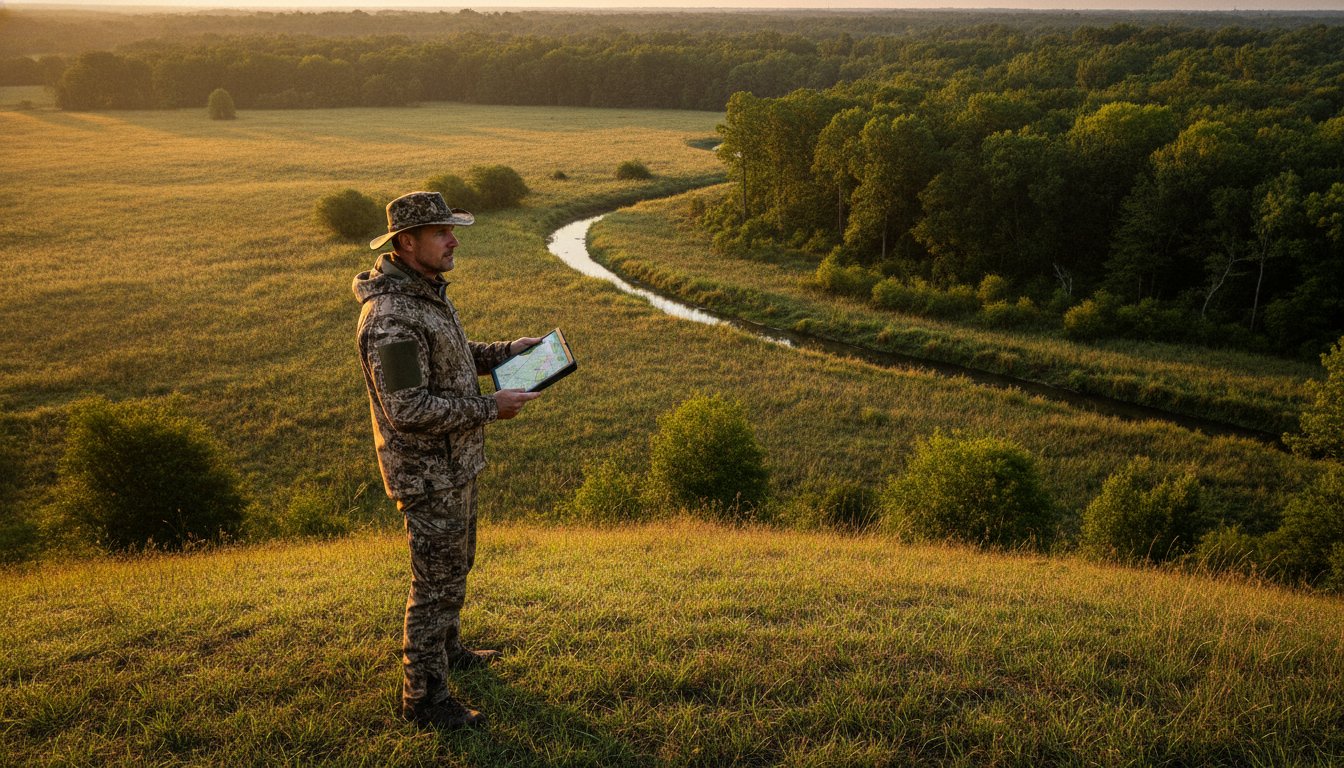
The most beautiful piece of timber on the market is often the worst investment for a serious sportsman. You want a property that produces trophy game, not just a nice view for a campfire. Most buyers struggle with the fear of overpaying for land that lacks proper wildlife habitat or has hidden legal access issues. It’s a valid concern that can turn a dream into a financial burden. We believe land ownership should be a source of pride, not a source of stress.
This 2026 strategic guide teaches you exactly how to buy hunting land with professional precision. You’ll learn to identify high-value tracts that offer both biological productivity and long-term financial security. We cut through the confusion of complex land laws and provide a clear path to securing your investment. This article previews the essential steps for evaluating soil, water sources, and tactical access. We show you how to build a legacy property for your family without the typical procedural hurdles. Follow this no-nonsense plan to find and secure a productive hunting tract today.
Key Takeaways
- Define your hunting goals and financial limits first. This prevents emotional purchases that don’t fit your long-term strategy.
- Prioritize biological productivity. Seek out acreage that provides reliable food, water, and thick bedding cover for wildlife.
- Confirm deeded access and review all easements. Avoid landlocked parcels that restrict your ability to use the property.
- Learn how to buy hunting land by performing detailed field inspections during the hunting off-season.
- Leverage the BuyVacantLand.com marketplace to find raw, undeveloped tracts. Use filters to identify properties that match your specific requirements.
Determine Your Hunting Objectives and Financial Strategy
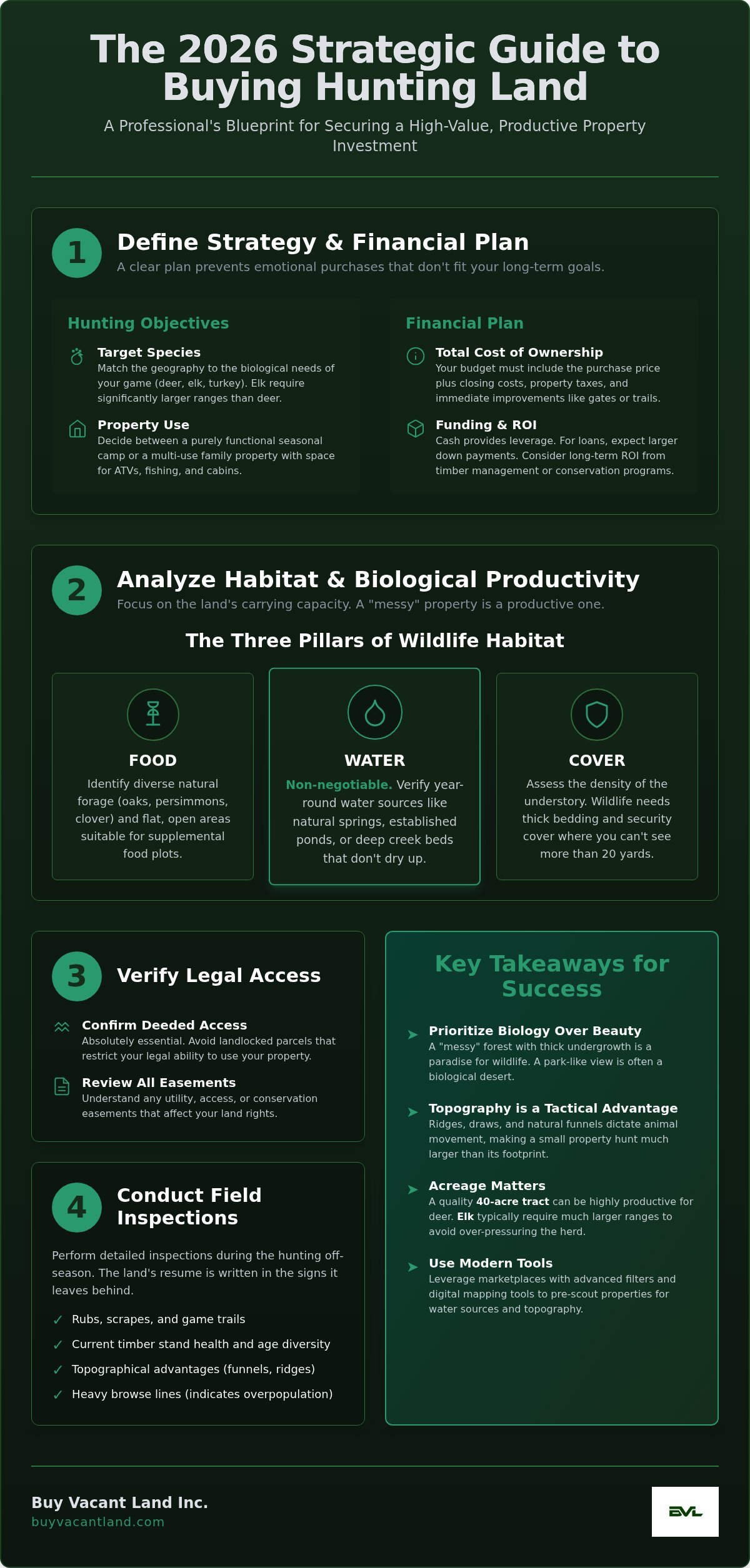
Buying land is a serious business decision. You need a clear plan before you look at a single listing. Start by identifying your primary target species. Whitetail deer, wild turkey, and elk all require different habitat types and acreage sizes. If you want to learn more about hunting strategies for specific game, research the regional biological requirements first. Your strategy for how to buy hunting land must align with these specific needs to ensure long-term success.
Decide early if you want a seasonal hunting camp or a multi-use recreational property. A seasonal camp is purely functional. It focuses on harvest numbers and basic access. A multi-use property serves your family year-round. You might want space for ATVs, fishing ponds, or future cabin sites. This decision dictates the level of infrastructure you need. It also impacts your total investment. Establishing these objectives prevents you from buying a parcel that doesn’t fit your lifestyle.
Defining Your Target Terrain and Species
- Match geography to biology: Ensure the land provides the specific food sources and cover your target game requires.
- Acreage requirements: A 40-acre tract can be productive for deer, but elk typically require much larger ranges to avoid over-pressuring the herd.
- Topography is a tactical advantage: Look for ridges, draws, and natural funnels that dictate animal movement. These features make a small property hunt much larger than its actual footprint.
Establishing a Realistic Financial Plan
A firm budget is your best defense against buyer’s remorse. Don’t just focus on the sticker price. You must factor in closing costs and immediate land improvements. You might need to install a gated entry, clear primitive trails, or establish food plots immediately after closing. These costs add up quickly. It’s better to buy a smaller, high-quality tract than a large parcel you can’t afford to manage.
Understanding how to buy hunting land means looking at the total cost of ownership. Evaluate your funding options. Cash is king in land transactions. It allows for faster closings and gives you leverage during negotiations. If you use a specialized land loan, expect to provide a larger down payment than a standard home mortgage. Consider the long-term ROI of the property. Timber management can provide periodic income that covers your annual property taxes. Some states also offer significant tax breaks for land enrolled in conservation easements or wildlife management programs. Use these tools to turn your hunting land into a sound financial asset.
Analyze Habitat Quality and Biological Productivity
Productive hunting land isn’t defined by its beauty. It is defined by its ability to sustain wildlife. A manicured forest with no undergrowth is a biological desert for most game. You need a property that offers a mix of food, water, and security cover. Mastering how to buy hunting land requires you to look past the aesthetics and evaluate the land’s carrying capacity. High-quality tracts feature diverse vegetation. This includes hard mast trees like oaks and soft mast like persimmons. It also includes early successional growth. These brushy areas provide critical high-protein forage and nesting sites.
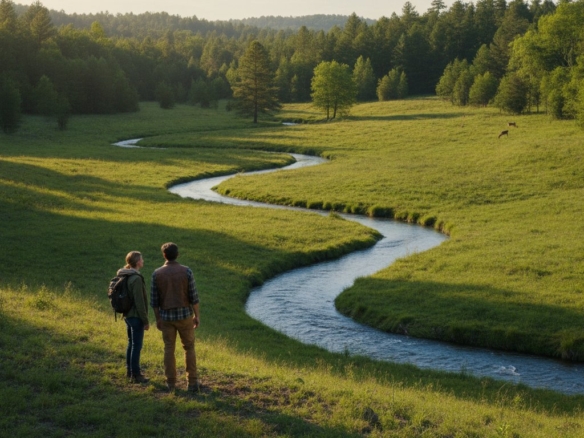
Water reliability is a non-negotiable factor. A creek that dries up during a late-summer drought will force animals to relocate. Look for year-round water sources such as natural springs, established ponds, or deep creek beds. You can use a guide from onX Maps to overlay topographic data with hydrological layers. This digital scouting saves time before you set foot on the dirt. If the land lacks a natural water source, factor the cost of drilling a well or digging a pond into your initial offer.
The Three Pillars of Wildlife Habitat
- Bedding and Security Cover: Assess the density of the understory. Deer need thick cover to feel safe from predators and hunters. Look for areas where you can’t see more than 20 yards.
- Natural and Supplemental Food: Identify existing forage like clover or woody browse. Evaluate if there are flat, open areas suitable for supplemental food plots.
- Year-Round Water: Verify that water sources remain active during the peak of the hunting season. Stagnant pools are rarely enough for a healthy herd.
Analyzing Wildlife Sign and History
The land tells a story through the signs left behind. Inspect the property for rubs, scrapes, and heavily beaten trails. These are the property’s resume. They prove that mature animals are present and comfortable. Request historical harvest data or trail camera photos from the seller to verify the age class of the local population. If you see heavy browse lines on the vegetation, the land is likely over-populated or lacks enough food. This data helps you decide if the parcel is a turnkey hunting spot or a management project. You can find specialized hunting land listings that already feature these biological advantages.
Check the health of the current timber stand. Healthy, diverse forests support more wildlife than monoculture pine plantations. Analyze the age of the trees. A mix of young and mature timber creates the “edge effect” that attracts the most game. This biological productivity is what ultimately secures your investment and ensures a successful harvest every year.
Review Legal Access and Property Restrictions
Legal access is the foundation of land value. A property with perfect habitat is worthless if you cannot legally step onto it. You must confirm deeded access during your due diligence. Never assume a gravel road or a visible trail provides a permanent right of way. Verify that your access is recorded in the deed to avoid buying a landlocked parcel. This is a critical step in learning how to buy hunting land that remains a viable asset for decades.
Investigate existing easements before signing any contracts. Utility companies, logging crews, or neighboring owners might have the right to cross your property. These agreements can disrupt your hunting strategy or damage your habitat management efforts. You also need to verify who owns the mineral, timber, and water rights. In many regions, these rights are severed from the surface land. Losing control of timber rights means a third party could clear-cut your bedding cover without your consent. For more help with these financial and legal nuances, consider this advice from Bowhunting.com regarding land acquisition.
Zoning and Land Use Laws
Check the local zoning before you commit. Land zoned for agricultural use often provides better tax rates but might have restrictions on residential development. If you plan to build a permanent cabin or park a camper, review the local ordinances first. Some counties have strict rules against temporary structures or specific weapon-use zones. Research the surrounding parcels as well. If the neighbor’s property is slated for a high-density subdivision, your quiet hunting tract will soon face increased pressure and noise.
Assessing Entry Points and Boundaries
Verify every property corner with a professional land survey. Don’t rely on old fence lines or verbal descriptions from a seller. Finding active travel corridors is useless if those trails are actually on the neighbor’s side of the line. Strategic entry is another tactical requirement. You need multiple access points to enter and exit your stands without blowing your scent across the property. Evaluate the boundary fences and signage immediately. Secure boundaries prevent trespassing and ensure your management efforts benefit your own herd, not the general public. This methodical approach is the only way to master how to buy hunting land with total confidence.
Execute the Purchase: From Inspection to Closing
Execution is where your research meets reality. You’ve analyzed the habitat and checked the legal access. Now you must verify the physical condition of the dirt. Conduct a thorough boots-on-the-ground inspection during the hunting off-season. This allows you to see the terrain without the distraction of active hunting or heavy foliage. You will see the natural funnels and bedding areas clearly. Review our how do you buy land framework to ensure you hasn’t missed any general due diligence steps. This systematic approach is the only way to master how to buy hunting land without making costly mistakes.
The Critical Land Inspection Checklist
Don’t just walk the trails. Get into the thickets. Test the soil quality if you plan to establish intensive food plots. Poor soil pH can kill your management budget before you start. Check for invasive plant species like autumn olive or bush honeysuckle. These can choke out native habitat and require years of expensive remediation. Walk the entire perimeter. Identify potential trespasser entry points or poorly marked boundaries. Secure land starts with a clear understanding of every inch you own.
Negotiating the Deal and Financing
Base your offer on hard data. Use comparable sales of similar hunting tracts in the immediate area. Don’t pay a premium for “potential” that isn’t already there. If traditional bank loans are unavailable for raw land, explore owner financed land options. This can simplify the transaction and bypass strict banking requirements. Draft a purchase agreement that includes clear contingencies. You need the right to walk away if the survey reveals fewer acres or the soil fails a percolation test. This protects your capital and your peace of mind.
Finalize the sale with professional oversight. Order a professional land survey to confirm the acreage and boundary lines once and for all. Secure title insurance to protect against future ownership disputes or hidden liens. Never skip this step. Finalize the transaction through a reputable title company or real estate attorney. They handle the escrow and ensure the deed is recorded correctly. You can browse high-quality hunting land for sale to find your next investment today. Following this no-nonsense process ensures you own a productive asset, not a legal headache.
Secure Your Acreage through BuyVacantLand.com
Traditional real estate websites focus on houses and suburban lots. They don’t understand the tactical requirements of a sportsman. BuyVacantLand.com is different. We provide a specialized marketplace for raw, undeveloped land. You can access a national inventory of hunting land without sifting through residential noise. Our platform connects you directly with sellers. This eliminates the friction of traditional real estate hurdles. It is the most efficient way to learn how to buy hunting land that meets your specific biological and financial goals.
The process is simple and transparent. We focus exclusively on vacant parcels. This focus allows us to offer features that typical listing sites ignore. You want a property that serves as a sound investment and a family legacy. We provide the tools to find it quickly. Our marketplace removes the stress of asset discovery by projecting an aura of efficiency and reliability. You get a direct path to ownership without unnecessary ornamentation.
Using Specialized Filters for Hunting Properties
Efficiency saves you time and money. Use our specialized filters to narrow your search by acreage, price, and specific land features. You can search specifically for properties with standing timber or year-round water sources. Identify off-grid parcels that offer the privacy required for high-quality hunting. These tools show you exactly how to buy hunting land that fits your management strategy. Save your search criteria to receive instant alerts for new listings. This ensures you are the first to see high-value tracts when they hit the market.
Direct Communication with Land Sellers
We cut out the middleman. You speak directly to the land owners and sellers. This direct connection allows you to ask tactical questions about wildlife sightings and historical property use. You get the facts on deeded access and utilities without the delays of a traditional agent. Negotiate your terms directly to streamline the acquisition process. This approach is a hallmark of our brand promise. We emphasize the total absence of common transactional costs and service fees. You deal with straight shooters who value your time. This transparency builds the peace of mind you need for a swift, assured transaction. Start your search on BuyVacantLand.com today and secure your productive hunting tract with total confidence.
Take Control of Your Hunting Future
Owning a productive hunting tract is no longer a complex mystery. You now have a strategic roadmap for how to buy hunting land with professional precision. Success starts with defining your biological goals and verifying legal access. You must look past the scenery to evaluate the actual carrying capacity of the dirt. These steps ensure your investment provides both trophy game and long-term financial security. Don’t settle for a property that looks good but performs poorly in the field.
BuyVacantLand.com simplifies this entire process for you. We provide a specialized national marketplace for raw and undeveloped acreage. Our direct seller-to-buyer platform removes the typical procedural hurdles found on traditional residential sites. You get the facts you need without middleman delays or hidden service fees. It’s time to stop dreaming and start scouting your own soil. Your legacy property is within reach if you act with a clear, direct plan.
Find Your Perfect Hunting Land Listing Today. Take the first step toward securing your own piece of the American wilderness right now. You deserve the peace of mind that comes from a swift, assured transaction.
Frequently Asked Questions
How many acres do I need for a productive hunting property?
You need at least 40 acres for a productive whitetail property in most regions. Smaller parcels can work if they are adjacent to large tracts of undisturbed timber. Larger acreage allows you to rotate stand sites and manage hunting pressure more effectively. If you want to hunt elk or larger game, you will likely need hundreds of acres to account for their wider home ranges. Size dictates your tactical options.
What is the most important feature to look for in hunting land?
Habitat diversity is the most critical feature. You must find land that provides food, water, and thick bedding cover in close proximity. A property that only offers timber without a water source won’t hold game during dry seasons. Look for “edge” habitat where different forest types meet. This biological variety is the most important factor when you research how to buy hunting land for long-term success.
Can I finance the purchase of raw hunting land?
You can finance raw land through specialized agricultural lenders or owner financing. Traditional banks typically view raw land as a higher risk and require down payments of 20% to 50%. Owner financing is a faster alternative that often bypasses the strict credit requirements of big banks. It allows you to negotiate terms directly with the seller. Always ensure the financing agreement is legally recorded to protect your equity.
What is deeded access and why is it critical for hunters?
Deeded access is a permanent legal right to cross adjacent land to reach your property. It is recorded in the county land records and stays with the deed. This is critical because it prevents you from being landlocked by a neighbor. Never rely on a verbal agreement or a “handshake” deal for access. Without a recorded easement, your investment could become inaccessible and lose its market value overnight.
How do I check if a property has a healthy wildlife population?
Check for active physical sign like rubs, scrapes, and heavily used travel corridors. These indicators prove that animals feel secure on the property. You should also request recent trail camera photos or harvest logs from the seller. If the vegetation shows a distinct browse line at eye level, the area may be overpopulated. This data helps you verify the health of the herd before finalizing the purchase.
What are the annual costs of owning hunting land besides taxes?
Annual costs include property taxes, liability insurance, and habitat maintenance. You should also budget for food plot supplies like seed, lime, and fertilizer. Road and trail maintenance can add up if you need to clear fallen timber or repair washouts after heavy rains. Understanding how to buy hunting land means looking at these recurring management expenses. These investments are necessary to keep the land productive and the game healthy.
Is it better to buy timberland or open fields for hunting?
A mix of both is superior to a single land type. Timberland provides essential security cover and thermal protection during the winter. Open fields allow you to establish high-quality food plots and encourage early successional growth. If you have to choose, look for a property that is at least 70% timbered. It’s much easier to clear a small field than it is to grow a mature forest from scratch.
Should I buy land that is already fenced?
Fencing is not a requirement for a quality hunting tract. In fact, old barbed wire can sometimes hinder game movement or cause injuries to wildlife. You should prioritize the quality of the habitat and the legality of the access over existing fences. Boundary markers and signs are usually enough to deter trespassers. Only invest in fencing if you plan to graze livestock or need to define a disputed property line.

Join The Discussion