
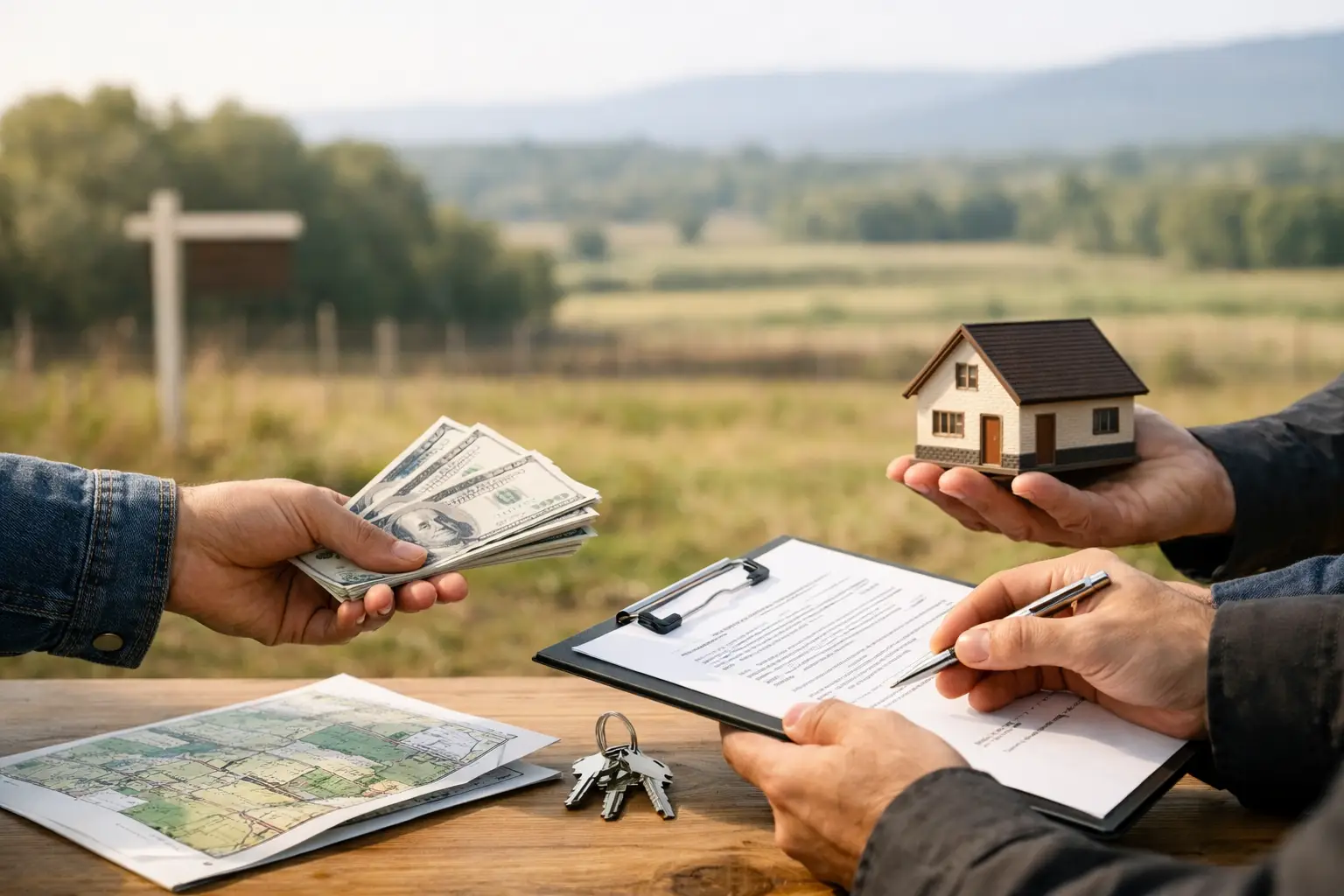
A $5,000 parcel can be a smart first step toward land ownership – or an expensive lesson in access, zoning, and site costs. Knowing how to buy cheap land means looking beyond the asking price to find property that fits what you actually want to do with it.
Affordable land is available across the United States, especially in rural areas, smaller towns, and counties with abundant undeveloped acreage. The opportunity is real for investors, recreational buyers, future builders, and aspiring homesteaders. The key is separating a genuine value from land that is cheap because it has a problem you cannot afford to solve.
Start With a Clear Use for the Property
Cheap land is not one category. A wooded parcel for weekend hunting, an off-grid homestead site, a future homesite, and a long-term investment can all have different requirements. The same five-acre tract may be an excellent recreational purchase and a poor choice for a house.
Before searching, decide what success looks like. If you plan to camp or hunt, privacy, terrain, and legal access may matter most. If you hope to build, zoning, septic feasibility, road frontage, utility availability, and local building rules become much more important. If your goal is investment, focus on demand, nearby growth, parcel usability, and the likelihood that another buyer will want the land later.
A low price should support your plan, not create one. Buyers often see a bargain first and try to invent a use afterward. That approach can leave you owning a parcel that is hard to enjoy, improve, finance, or resell.
Where to Find Cheap Land
The best opportunities usually appear where buyer competition is lower. That can mean rural counties, areas farther from major job centers, regions with large amounts of vacant land, or properties with limited improvements. Land marketplaces built around property type and location make it easier to compare options such as rural acreage, residential lots, hunting land, off-grid property, and owner-financed parcels.
Search beyond a single county. Prices can change dramatically across a county line because of taxes, growth patterns, minimum lot-size rules, or access to public roads. If you have flexibility about location, create a target area rather than one exact town. A wider search gives you room to compare value instead of feeling pressured to buy the only parcel you found.
Look closely at parcels that are imperfect but still usable for your goals. A property may be affordable because it is heavily wooded, needs a driveway, has no power at the road, or sits farther from town. Those issues are not automatic deal breakers. They only become expensive surprises when they conflict with your intended use or exceed your budget.
Compare Value, Not Just Acreage
Price per acre is a useful starting point, but it is not a complete valuation method. Ten acres without legal access may be worth far less than five acres with road frontage, a usable building site, and nearby power. A smaller lot near a growing town can also have more resale potential than a large remote tract.
Compare several similar properties that have recently sold or are currently listed in the same general market. Match them as closely as possible by acreage, road access, terrain, zoning, utilities, flood risk, and location. Then ask why one parcel is priced lower than the others.
A seller may need a quick sale, which can create a legitimate bargain. But a discount can also reflect a limitation that is not obvious in listing photos. When the price looks unusually low, investigate more carefully rather than assuming you found a once-in-a-lifetime deal.
Verify the Details That Make Land Usable
Due diligence is where smart buyers protect their budget. Homes come with visible clues about condition. Vacant land often requires you to verify the basics yourself before closing.
Start with legal access. Confirm that the property touches a public road or has a recorded easement that gives you the right to reach it. A trail that neighbors have used for years is not necessarily legal access. Without reliable access, even a beautiful parcel can be difficult to use or sell.
Next, contact the county planning or zoning department. Ask what the parcel is zoned for, whether your intended use is permitted, and whether there are minimum acreage, frontage, setback, or building requirements. If you want to place an RV, build a cabin, keep livestock, or operate a small business, ask directly. Rules can vary significantly from one county to the next.
For a potential homesite, investigate water, sewer or septic, and electricity. Public water and sewer are convenient when available, but rural land often requires a well and septic system. Ask whether the parcel has had a soil or perc test, whether a septic permit is possible, and what nearby well depths tend to be. Call utility providers to learn how far service lines are from the property and what an extension could cost.
Also review flood maps, topography, wetlands, and drainage. A creek, mountain view, or low valley can add character, but it may also limit where you can build. Walk the parcel if possible. Maps are useful, yet they cannot fully show steep slopes, seasonal water, brush density, neighbor activity, or the true condition of an access road.
Budget for the Real Cost of Ownership
The purchase price is only the first number. A cheap parcel that requires a survey, driveway, clearing, well, septic system, and power extension may cost more than a higher-priced lot with those basics already in place.
Build a simple all-in budget before making an offer. Include closing costs, title work, recording fees, property taxes, survey expenses, insurance if needed, and the first improvements required to use the land. If you are buying remotely, include travel or local inspection costs as well.
For many rural buyers, access is the first improvement to price. A short gravel drive may be manageable; a long road through difficult terrain can change the deal completely. Clearing, grading, and drainage work can add up fast, particularly if you need equipment or permits.
Do not overlook holding costs. Vacant land usually has lower ongoing expenses than a house, but annual taxes, association dues, maintenance, and loan payments still matter. Affordable ownership is about keeping the property comfortably within your total financial picture.
Use Financing That Fits the Deal
Cash is common in lower-priced land transactions, but it is not the only option. Owner financing can make an affordable parcel more accessible by allowing a buyer to make a down payment and pay the balance over time. This can be particularly useful when a traditional lender will not make a small land loan.
Read financing terms as carefully as you read the property details. Confirm the interest rate, monthly payment, loan length, balloon payment, late fees, prepayment rules, and who handles taxes and insurance. Ask whether the agreement uses a deed of trust, mortgage, or land contract and understand when you receive legal title.
Traditional land loans may work for larger purchases, especially for buildable lots or acreage with strong market appeal. They often require a down payment and can carry higher rates than home mortgages. The best choice depends on your cash reserves, timeline, and whether you plan to build soon or hold the property for years.
Make an Offer With the Right Protections
A low offer can be reasonable when it is based on real factors such as limited access, needed improvements, market comparisons, or uncertainty about utility costs. Be respectful and specific. Sellers are more likely to engage when an offer is supported by a clear plan and realistic closing timeline.
Whenever possible, make your purchase contingent on satisfactory due diligence. This gives you time to confirm title, access, zoning, and the issues that matter most to your use. A title search and title insurance can help identify liens, ownership disputes, restrictive covenants, and other concerns that should be resolved before money changes hands.
If the parcel has unclear boundaries, consider a survey. Existing fence lines, old pins, and online parcel maps are helpful references, but they are not always accurate. A survey is especially valuable when you plan to build, fence, subdivide, or buy land with an irregular shape.
How to Buy Cheap Land and Keep It a Good Deal
The smartest low-cost land purchases are usually not the absolute cheapest listings. They are the parcels with a clear purpose, verified fundamentals, manageable improvement costs, and a price that leaves room for your future plans.
Patience gives you an advantage. Monitor several markets, compare properties consistently, and be ready to act when a parcel meets your standards. BuyVacantLand.com can help you narrow the search by state, land type, and buyer priorities, so you can spend less time sorting through unsuitable listings and more time evaluating real opportunities.
Land ownership does not have to begin with a perfect property or a massive budget. Start with a parcel you understand, a use you can realistically support, and enough due diligence to feel confident when you say yes.



Join The Discussion