

A 10-acre property can look perfect in photos and still be wrong for what you want to do with it. That is the real challenge with acreage for sale. The land itself may be attractive, affordable, and well located, but if access is poor, zoning is restrictive, or utilities are unrealistic, a good deal can turn into a frustrating one fast.
Buying acreage is different from buying a house. With a home, much of the value is visible right away. With land, the most important details are often the ones you cannot see from the road. That is why smart buyers start with a clear plan, then work backward to find acreage that fits both their goals and their budget.
What buyers should know about acreage for sale
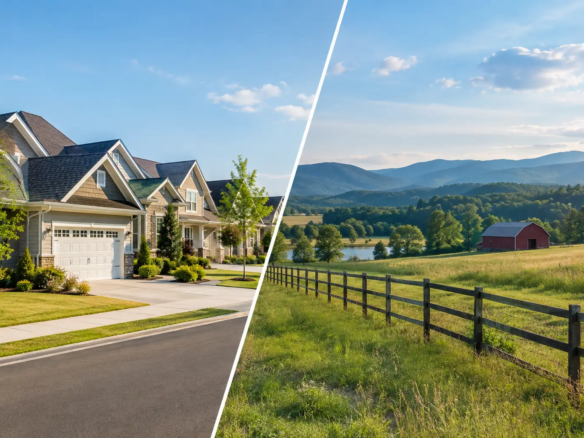
Not all acreage serves the same purpose, even when the price per acre looks similar. One parcel may be ideal for a homesite, while another is better suited for hunting, recreation, farming, timber, or long-term investment. The first question is not how many acres you want. It is what you want those acres to do for you.
A buyer planning to build a primary residence will care about road access, utilities, septic suitability, and local building rules. A recreational buyer may care more about privacy, terrain, water features, and seasonal access. An investor may focus on market growth, subdivision potential, or resale demand. The same property can look like a bargain or a bad fit depending on that intended use.
That is one reason land-specific marketplaces stand out. They make it easier to sort through properties by use case instead of forcing land buyers into a home-search framework that misses what matters.
Start with use, not just price
It is easy to set a budget and search for the most acres possible. That approach feels practical, but it often leads buyers toward land that is cheap for a reason. Maybe it has no legal access. Maybe it is in a floodplain. Maybe it is so remote that bringing in power costs more than the land itself.
A better approach is to define your top priorities first. If you want a future homesite, ask whether the parcel can reasonably support a home. If you want a weekend retreat, think about drive time, terrain, and whether you need year-round access. If you want a long-term hold, study the local market and nearby growth rather than falling for a low sticker price alone.
When buyers get specific early, they waste less time and make stronger offers when the right property appears.
The acreage count can be misleading
Ten usable acres and ten difficult acres are not equal. Shape, topography, tree cover, wetlands, drainage, and frontage all affect usefulness. A narrow parcel with limited access may technically have plenty of acreage but still feel restrictive. A smaller parcel with better layout and infrastructure may be the smarter buy.
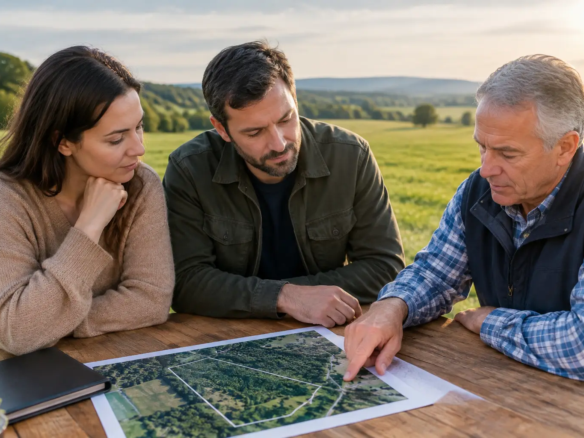
This is where maps, parcel outlines, and local property data matter. A listing should help you understand not just how much land exists, but how that land lays out and what it can realistically support.
The details that matter most before you buy
Land buyers often focus on the exciting part first – the view, the price, the possibility. That is understandable. But the most successful purchases usually come down to a handful of practical details.
Access is at the top of the list. You need to know whether the property has legal and physical access. A dirt path used by neighbors is not the same thing as a recorded easement. If a parcel is landlocked, solving that issue can be expensive and uncertain.
Zoning and land use rules come next. Counties and municipalities may limit how the land can be used, whether mobile homes are allowed, how many structures can be built, or whether commercial activity is permitted. Restrictions may also come from deed covenants or homeowners associations, especially in rural subdivisions.
Utilities can shape both cost and feasibility. Some buyers are happy with off-grid land, but many still want workable options for water, septic, and electricity. If public utilities are unavailable, you need a realistic picture of well depth, septic approval, solar potential, and installation costs.
Topography matters more than many first-time buyers expect. Steep land can be beautiful, but difficult and expensive to build on. Low-lying land may have drainage or flooding concerns. Heavy tree cover can add privacy and value, but clearing costs should be part of the equation.
How to judge whether the price makes sense
Pricing acreage is rarely as simple as multiplying acres by a local average. Land value depends on location, road frontage, improvements, usability, access, water features, timber, zoning, and demand. Two nearby parcels can vary dramatically in value because one is ready for a homesite and the other is not.
Comparable sales help, but they should be truly comparable. That means similar size, similar use, similar access, and similar development potential. A five-acre residential lot near a growing town is not a useful comp for twenty remote recreational acres in the same county.
It also helps to ask what future buyer demand might look like. Some properties have broad appeal and are easier to resell. Others are more niche. Niche land can still be a great purchase if it fits your goals, but resale timing may be different.
For many buyers, affordability is what makes land attractive in the first place. That is a real opportunity. The key is making sure low price and good value are actually the same thing.
Financing acreage for sale
Financing land is often less straightforward than financing a house. Traditional lenders may require larger down payments, shorter terms, or stronger borrower profiles for vacant land. Some buyers pay cash for that reason, especially at lower price points.
Owner financing can open doors for buyers who want flexibility or who are still building conventional borrowing options. It can also make certain properties more accessible without the long underwriting process of a bank loan. That said, terms vary widely. Interest rate, balloon payments, late fees, and default terms should all be reviewed carefully.
If you plan to build soon, a construction strategy may shape the financing decision. If you are buying for recreation or long-term hold, your financing priorities may be different. There is no single right structure. The right one depends on timeline, risk tolerance, and what you want the land to do.
Search smarter, not wider
The problem with broad real estate sites is not just volume. It is lack of focus. Land listings can be buried among houses, and the filters often do not match how land buyers think. Someone looking for hunting land, a small farm, owner-financed acreage, or off-grid property needs a search process built around land, not residential inventory.
That is where a platform like BuyVacantLand.com can save time. Instead of sorting through listings that only loosely fit, buyers can narrow by land type, state, and intended use. That makes the search more practical and keeps attention on properties that match real goals, not just random acreage counts.
Due diligence is where good deals are protected
Even when a property looks promising, buyers should slow down before closing. Due diligence is not the boring part of the transaction. It is the part that protects the opportunity.
That means confirming ownership, parcel boundaries, taxes, zoning, access, restrictions, and utility options. It may mean ordering a survey, checking flood maps, reviewing soil conditions, or speaking with the local planning department. Some properties need very little extra investigation. Others need quite a bit. It depends on the land and the intended use.
The good news is that buyers do not need to know everything on day one. They just need to ask the right questions before money changes hands. Land rewards patience. A careful buyer is usually in a stronger position than a rushed one.
The right acreage creates options
The best land purchases tend to feel simple after the hard questions are answered. You know how you want to use the property. You understand the limits. The pricing makes sense. The path forward is clear.
That is what makes acreage appealing to so many buyers. It offers room to build, hold, camp, hunt, invest, retire, or create something on your own timeline. If you stay focused on use, value, and due diligence, the right parcel is not just land on a map. It is a practical opportunity with real upside.
When you look at acreage for sale, do not just ask whether you can afford it. Ask whether it moves you closer to the kind of freedom, flexibility, or long-term value you actually want.

Join The Discussion