
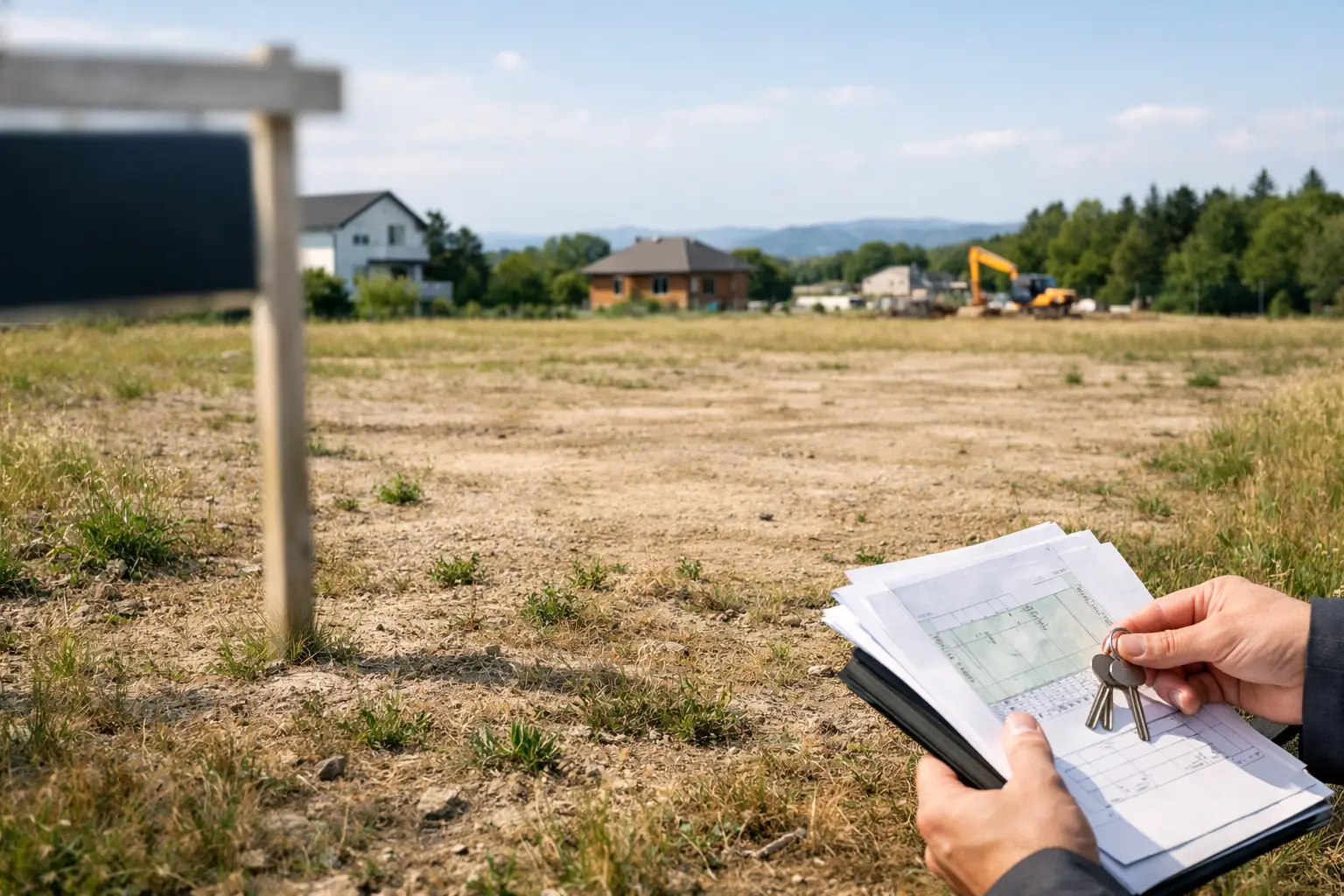
A parcel can look like a bargain on a map and still sit unsold for months. That is frustrating for owners, especially when nearby homes appear to move quickly. So, why is vacant land hard to sell? Land buyers are not simply choosing a location and a price. They are evaluating what the property can actually do, what it will cost to use it, and how much uncertainty comes with the purchase.
Unlike a house, vacant land rarely gives buyers an immediate picture of daily life or investment return. A home has bedrooms, a kitchen, and a visible condition. Raw land requires a buyer to connect the dots between acreage, access, zoning, utilities, financing, and future plans. Sellers who remove those unknowns give their property a far better chance of attracting serious offers.
Why Is Vacant Land Hard to Sell? Buyers Need a Clear Use
The biggest challenge is that land value is highly dependent on intended use. A five-acre parcel may be ideal for a weekend camper, but useless to a buyer who wants to build a primary residence. A wooded tract may appeal to a hunter but not to someone seeking open pasture. The same property can be a strong opportunity for one buyer and a dead end for another.
This is why generic descriptions such as “beautiful land” or “great investment” often fall flat. Buyers want to know whether the property works for a home site, cabin, recreational retreat, hunting base, farm, RV use, commercial project, or long-term hold. If the answer is unclear, many will move on to a listing that makes the opportunity easier to understand.
A seller does not need to promise a use that has not been verified. Instead, present the facts that help buyers evaluate possible uses: parcel size, zoning designation, terrain, nearby development, road frontage, and whether manufactured homes, RVs, livestock, or short-term camping may be allowed. Clear information creates confidence without overpromising.
Land Financing Is Less Familiar and Less Available
Vacant land often attracts a smaller buyer pool because financing can be harder to obtain. Traditional mortgage lenders generally see raw land as a higher-risk loan than a house. The property may not produce income, and it can be more difficult for a lender to resell if the borrower defaults.
As a result, some buyers need cash, a land loan, a personal loan, or seller financing. Buyers who could comfortably qualify for a home mortgage may still hesitate when they learn that a land purchase requires a larger down payment or a shorter repayment term.
This does not mean every seller should offer owner financing. It does mean that flexible terms can make a meaningful difference when they fit the seller’s goals and risk tolerance. Even simply stating whether cash offers are preferred, bank financing may be considered, or owner financing is available helps buyers decide whether to take the next step.
Access, Utilities, and Legal Details Can Stop a Deal
A low price does not overcome a property that buyers cannot legally or practically reach. Legal access is one of the first questions experienced land buyers ask. A visible trail across neighboring property is not the same as recorded access through a public road or easement. If access is uncertain, buyers may face expensive legal work or walk away altogether.
Utilities are another major factor. Electric service, water, septic options, internet availability, and road maintenance can shape both value and buildability. Off-grid land can be highly desirable for the right buyer, particularly for recreation or self-reliant living. But it should be marketed honestly, with details about distance to power, well potential, septic requirements, cellular coverage, and road conditions.
The same principle applies to surveys, title issues, flood zones, wetlands, mineral rights, and HOA restrictions. None of these automatically make land unsellable. They do, however, affect the type of buyer who is likely to purchase and the price that buyer will pay. Surprises discovered late in due diligence are a common reason land contracts fail.
Preparation Makes a Property Easier to Trust
Before listing, gather the documents and facts a serious buyer is likely to request. That may include the legal description, parcel number, tax information, survey if available, zoning details, road access information, and any known restrictions. A seller cannot solve every question in advance, but organized information signals that the transaction can move forward smoothly.
If the parcel has no recent survey or uncertain boundaries, be direct about that. Honest disclosure is more effective than letting a buyer assume the corners, fences, or online map lines are exact.
Pricing Land Is More Complicated Than Pricing a House
Sellers often start with what they paid for the property, what they need from the sale, or the asking prices of larger nearby tracts. Those figures may matter personally, but they do not necessarily reflect current market value.
Vacant land has fewer comparable sales than homes, and no two parcels are truly identical. One property may have paved-road frontage, power at the line, and a recorded survey. Another may be close by but have steep terrain, seasonal access, or restrictive zoning. Their price per acre can be dramatically different.
Overpricing is particularly damaging with land because buyer demand is already more specialized. A buyer who searches for rural acreage, waterfront lots, or residential parcels usually compares many options before making contact. If a property is priced like a build-ready lot but still requires road work, utility extensions, and permitting, buyers will notice.
A realistic price should reflect location, acreage, usable terrain, access, utilities, permitted uses, nearby sales, carrying costs, and market demand. It may also depend on whether the seller is prioritizing the highest possible price or a faster, cleaner sale. Those are different objectives, and they lead to different listing strategies.
Weak Marketing Leaves Buyers With Questions
Land cannot sell itself through a single exterior photo. Many buyers are shopping from another county or another state, which means the listing must help them understand the parcel without standing on it.
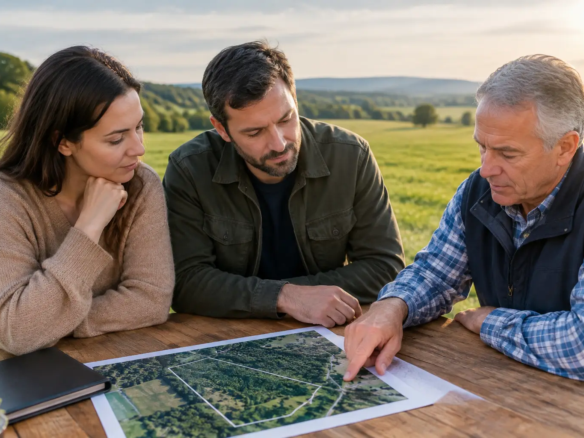
Photos should show the actual property, not only scenic views nearby. Include road access, terrain, clearings, tree cover, water features, boundaries when visible, and relevant nearby landmarks. Aerial images and parcel maps are especially useful because they show shape, surroundings, and proximity to roads or towns.
The listing description should answer practical questions early. State the acreage, county, parcel number, road type, zoning or land-use category, annual taxes, utility status, and known restrictions. Then explain the opportunity in buyer language. A property may be suited to a cabin, camping base, recreational holding, or future home site, provided those uses are consistent with local rules.
Broad real estate platforms can be useful, but land performs best where buyers are actively searching by use, acreage, state, and property type. A land-focused marketplace such as BuyVacantLand.com puts a parcel in front of people who are already looking for lots, acreage, recreational property, and other land opportunities.
Location Still Determines Demand
“Location, location, location” applies to vacant land, but land location is more than distance from a city. Buyers consider the route to the parcel, nearby attractions, topography, views, school districts, public land access, job centers, and the direction of local growth.
Remote parcels can take longer to sell because fewer people are willing to accept the travel time and limited services. Yet remoteness can be the primary selling point for buyers who want privacy, hunting access, off-grid potential, or a quiet place to camp. The key is matching the marketing to the buyer who sees that setting as an advantage.
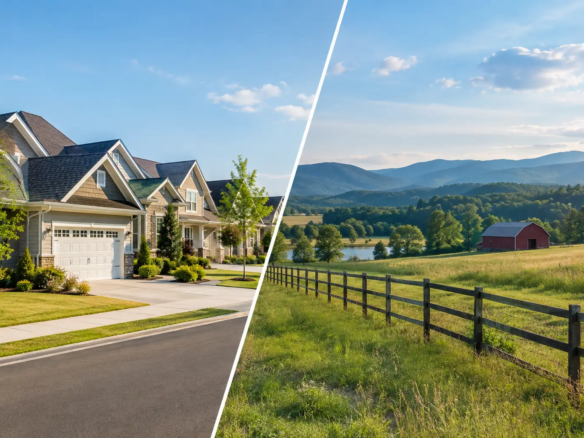
A property near a growing community may appeal to builders and investors, while a rural tract near lakes, trails, or public hunting land may be better positioned as a lifestyle purchase. Trying to market both with vague language can dilute the message.
How Sellers Can Shorten the Time to Sell Vacant Land
The goal is not to make every parcel appealing to every buyer. The goal is to make the right buyer feel informed enough to act. Start by setting a price supported by comparable sales and the property’s real condition. Then make the listing specific about uses, access, utilities, restrictions, and terrain.
Respond quickly when buyers ask for maps, documents, or directions. Land buyers often contact several sellers at once, and the owner who provides straightforward answers usually earns more attention. If a buyer wants to visit, provide safe, accurate instructions and disclose any conditions that could affect access, such as a locked gate, rough road, or seasonal washout.
Finally, be willing to reassess if the listing receives views but no inquiries, or inquiries but no offers. The issue may be price, presentation, missing details, or a mismatch between the property and the audience being reached. A small change in terms, photos, or positioning can reopen interest.
Vacant land rewards patience, but it also rewards preparation. When you show buyers exactly what they are purchasing, what they can realistically do with it, and how they can move forward, your parcel becomes more than an empty spot on a map. It becomes a practical path to ownership, recreation, investment, or a future place to call their own.

Join The Discussion