
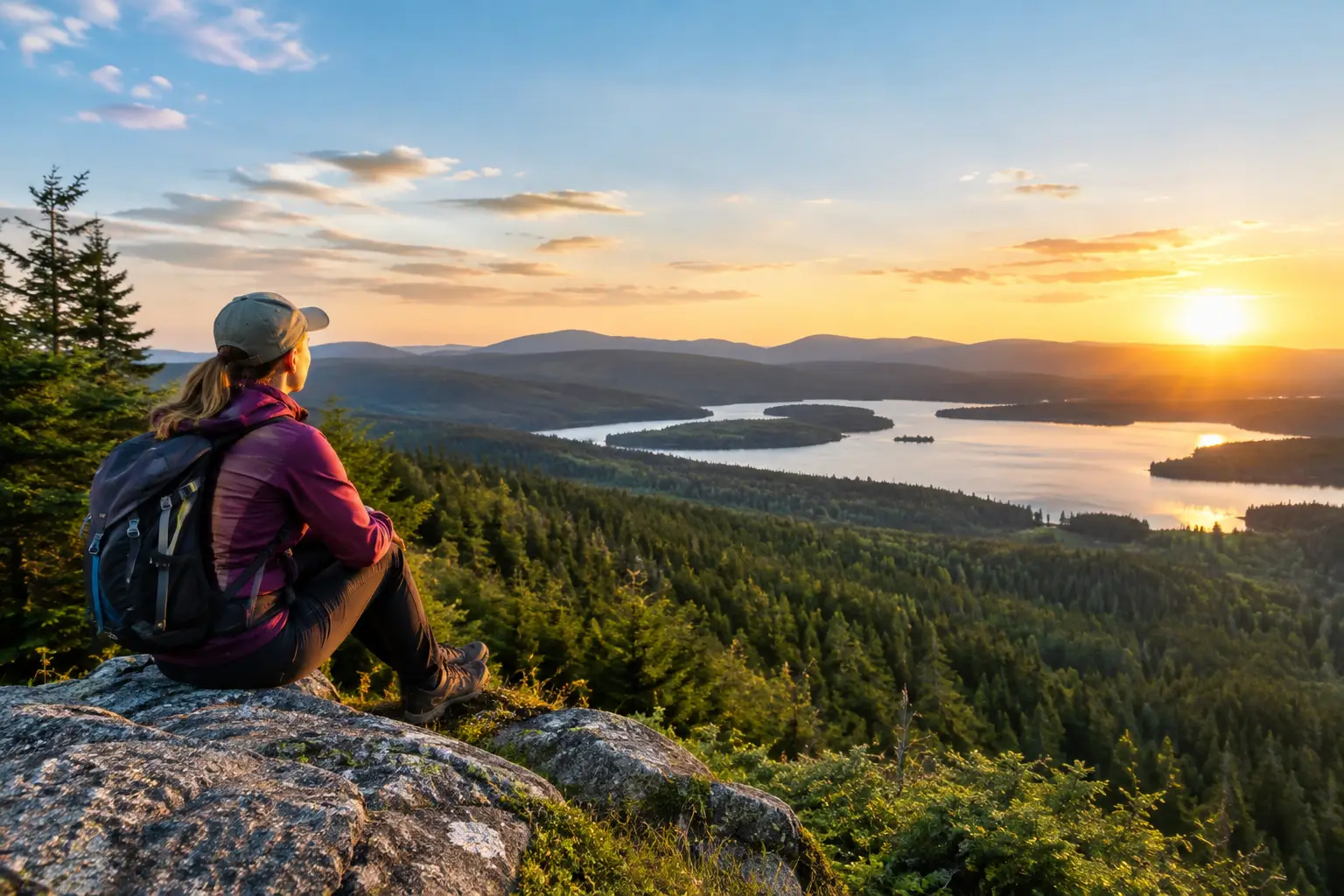
A great recreational property earns its keep long before you build a cabin. It gives you a reliable place to hunt, ride, camp, fish, hike, or simply get away for a weekend. The best places for recreational acreage combine the outdoor experience you want with practical ownership basics: legal access, usable terrain, manageable carrying costs, and a location you will actually use.
That last point matters. A low-priced parcel that takes eight hours to reach may be a smart long-term hold, but it may not be the right family retreat. Likewise, a beautiful wooded tract can lose much of its appeal if it has no verified road access, restrictive zoning, or seasonal flooding. The right market depends on how you plan to enjoy the land and what you want it to become over time.
What Makes a Great Recreational Acreage Market?
Recreational acreage is not one category. A hunter may need timber, wildlife habitat, and room for a food plot. An RV owner may prioritize year-round road access, open ground, and nearby public lands. A buyer planning a future cabin may care most about power availability, septic feasibility, and county building rules.
The strongest markets usually offer a favorable balance of land price, outdoor opportunity, and access. Look beyond the listing price to annual property taxes, insurance needs, road maintenance, and the cost of bringing in utilities or improving a driveway. A 20-acre parcel with a maintained county road may offer more usable value than 60 remote acres behind a rough easement.
Local supply also matters. In areas with extensive public land, lakes, rivers, trails, or national forests, your acreage can serve as a private base camp while the surrounding region expands what you can do. In regions where private land is the main recreation resource, larger acreage and strong habitat may carry more weight.
Best Places for Recreational Acreage by Lifestyle
The Ozarks: Wooded Land for Weekend Escapes
Southern Missouri and northern Arkansas remain attractive for buyers who want mature woods, rolling terrain, creeks, and a long outdoor season. This region is especially appealing for hunting, ATV riding, camping, and simple cabin use. Many rural counties have a broad range of parcel sizes, from affordable smaller tracts to larger timbered acreage.
The trade-off is terrain. Steep slopes can limit building sites, road construction, and usable open space. Ask for a survey or topographic information when possible, and inspect the property after rain if a creek crossing or low-water road is involved. In the Ozarks, a parcel with a flat, buildable ridge and dependable access can command a meaningful premium for good reason.
East Texas: Pine Timber, Lakes, and Flexible Uses
East Texas offers a compelling mix of pine forests, hunting ground, fishing access, and proximity to major population centers. Buyers from Dallas-Fort Worth, Houston, and surrounding areas often look here for a weekend property that can also support a future home, barndominium, or small farm plan.
Timber can add value, but it should not be treated as a guaranteed payday. Timber quality, harvest timing, road access, and local market conditions all affect what a stand of trees is worth. Focus first on whether the land meets your recreation and access goals. If it also has merchantable timber or a good long-term forestry plan, that is an added benefit.
Michigan and Wisconsin: Water, Woods, and Four-Season Recreation
Northern Michigan and northern Wisconsin are strong choices for buyers who want lake country, whitetail hunting, snowmobiling, fishing, and family camp traditions. Recreational land in these areas can offer an entirely different rhythm from southern markets, with excellent summer water activities and winter recreation opportunities.
Seasonality is the key consideration. Confirm whether roads are plowed, whether an association maintains private routes, and how the property performs during spring thaw. Wet ground, limited winter access, and local rules around shoreland development can change what is possible. A parcel near a maintained road with a high, dry building area often provides more flexibility than waterfront acreage with major setback restrictions.
Appalachia: Seclusion Within Reach of Cities
Parts of Tennessee, Kentucky, West Virginia, and western North Carolina appeal to buyers seeking hardwood forests, mountain views, streams, and relatively easy access from eastern and southern metro areas. The region works well for those who value privacy but do not want to travel deep into remote country every time they visit.
Mountain land deserves a careful site visit. View properties from more than one point, verify boundary lines, and ask how the access road is maintained. A dramatic view may come with a challenging driveway, limited cell service, or little level ground for parking and camping. For many buyers, a less dramatic parcel with gentle terrain and proven access becomes the better recreational investment.
Arizona and New Mexico: Open Space and Off-Grid Potential
Northern Arizona and parts of New Mexico attract buyers who want wide-open views, dark skies, dispersed recreation, and the freedom of an off-grid setup. These markets can offer lower entry prices per acre than many heavily wooded or waterfront regions, especially for buyers comfortable with solar power, hauled water, and a simpler infrastructure plan.
Water is the deciding factor. Do not assume that a well can be drilled easily, that water rights transfer, or that a seasonal wash is a dependable water source. Review access routes, road conditions, elevation, wildfire exposure, and local rules before making an offer. Desert acreage can be an excellent retreat, but it rewards buyers who plan for its realities instead of treating it like a conventional suburban lot.
Idaho and Montana: Big Recreation, Higher Competition
For buyers who dream of mountain views, fly fishing, elk country, and proximity to public lands, Idaho and Montana are hard to overlook. These markets can offer exceptional recreation, but desirable parcels often face stronger demand and higher prices. Land near rivers, ski areas, national forests, or growing towns may be priced well above more remote acreage.
Value is often found by widening the search radius. A property 30 to 60 minutes from a popular destination may provide much of the lifestyle at a more attainable price. Be realistic about winter conditions, wildfire risk, and the cost of developing remote land. In these markets, a smaller parcel with dependable access can be a smarter purchase than a larger tract that is difficult to reach or improve.
Match the Property to Your Actual Use
Before choosing a state or region, define what a successful day on the property looks like. If your goal is a hunting camp, study wildlife patterns, neighboring land use, timber cover, and whether local regulations allow the improvements you have in mind. If you want an RV base, verify that camping is permitted and determine whether the road is suitable for a trailer in all seasons.
For a future cabin, investigate zoning, setbacks, minimum dwelling sizes, septic requirements, floodplain maps, and utility distance early. County rules can vary sharply from one jurisdiction to the next. A parcel marketed as recreational may allow a cabin, prohibit full-time occupancy, or require permits that affect your budget and timeline.
Also consider the ownership horizon. Some buyers want a place to use immediately, while others want land they can enjoy now and build on later. Either approach can work. The mistake is paying for features you will not use or ignoring limitations that will matter when your plans change.
Due Diligence That Protects the Fun
Recreational land should feel like freedom, not a surprise repair bill. Before closing, confirm legal access through public records, a recorded easement, or direct frontage on a maintained road. Walk or drive the access route rather than relying solely on a map. Check boundaries, ask about encroachments, and understand whether fences, gates, or trails sit on the property line.
Review flood zones, wetlands, mineral rights, HOA or deed restrictions, and tax status. If a parcel is under a timber, agricultural, or wildlife tax program, find out what happens after a sale or change in use. When a property has a well, septic system, or existing structure, arrange the appropriate inspections.
A local land professional, surveyor, contractor, or county planning office can answer questions that a listing cannot. That effort is part of buying intelligently. It helps you compare acreage based on usable value, not just a tempting price per acre.
The best recreational acreage is not necessarily in the hottest market or on the largest tract. It is the property that fits your budget, your travel habits, and the way you want to spend time outdoors. Start with a clear use case, search by land type and location, and give every promising parcel the careful review it deserves. With a land-first marketplace such as BuyVacantLand.com, you can narrow the search and move closer to a property that gives your weekends, and your long-term plans, more room to grow.

Join The Discussion