
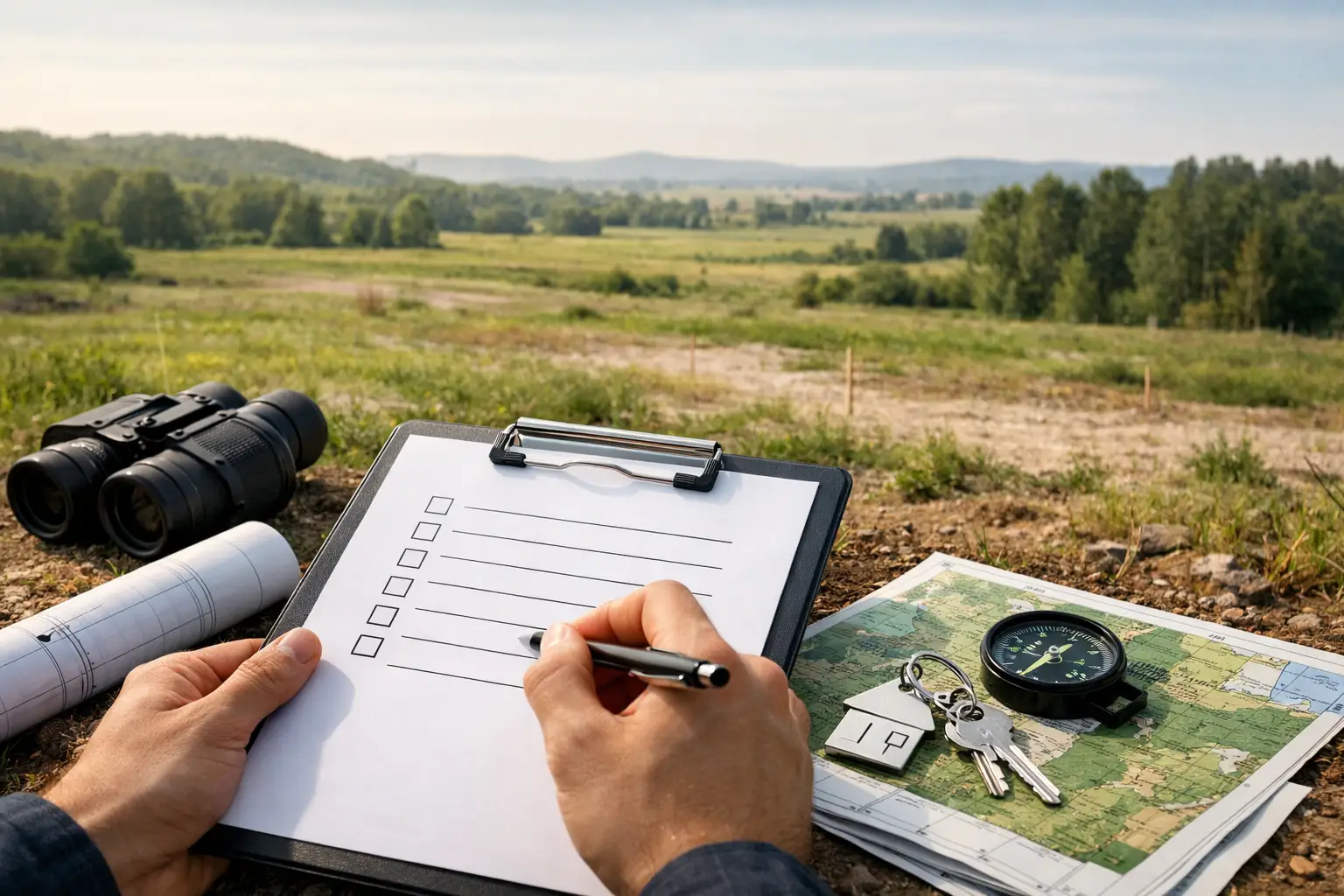
A vacant parcel can look like a bargain right up until you learn it has no legal access, failed a perc test, or sits in a flood zone that changes your plans completely. That is why an undeveloped land buyer checklist matters. Land can be one of the most flexible and affordable ways to build wealth, create a getaway, start a homestead, or secure a future homesite, but only if you evaluate the property for the use you actually have in mind.
Unlike buying a house, buying raw land usually means you are also buying unanswered questions. Can you build on it? Can you finance it? Can you get power and water there without blowing up your budget? The right parcel is not just the one with a low price tag. It is the one that fits your goals, location preferences, timeline, and risk tolerance.
What to check before you fall in love with a parcel
The smartest land buyers start with purpose. Before you compare acreage, road frontage, or price per acre, get clear on what the land needs to do for you. A recreational tract, an infill lot, and an off-grid homestead property all have very different must-haves. If you want to camp now and build later, your checklist will look different than it would for a buy-and-hold investment.
That sounds simple, but this is where many land deals go sideways. Buyers see a beautiful property and assume they can figure out the details later. In reality, the intended use should shape nearly every part of your due diligence, from zoning to utility access to terrain and soil conditions.
Undeveloped land buyer checklist for real due diligence
Start with legal access. A parcel can be physically reachable but still not have recorded, legal access. If the only route crosses someone else’s property without a proper easement, you may have a serious problem. Road frontage is ideal, but not every great tract has it. Easements can work well if they are documented clearly and wide enough for your intended use.
Next, check zoning and land use rules. County and city regulations can limit what you build, how you use the land, whether you can place an RV on it, or whether mobile or manufactured homes are allowed. Some buyers assume rural means unrestricted. Sometimes that is true, but often there are layers of county rules, subdivision restrictions, or homeowners association requirements that can affect your plans.
Utilities deserve close attention because they can shift the economics of the deal fast. Electricity may be nearby or far more expensive to extend than expected. Water could come from a public provider, a private well, hauled water, or not be practical at all. Sewer may be available in developed areas, but many vacant parcels depend on septic, which usually means you need to confirm the soil can support it. If the property is marketed as off-grid, treat that as a feature only if off-grid living fits your plan and budget.
A perc test or soil evaluation is one of the most important checkpoints for buildable rural land. If you need a septic system, the soil has to cooperate. A low-priced parcel that cannot support septic may still have value for recreation or long-term holding, but not as a homesite. That is a classic example of why land value depends on intended use.
Topography also matters more than many first-time buyers expect. Flat land is not automatically better, and sloped land is not automatically worse. What matters is whether the terrain works for building, drainage, access, views, farming, hunting, or whatever you want from the property. Heavily wooded parcels can offer privacy and recreation appeal, but they may come with clearing costs. Low areas may look lush in photos and then become muddy, hard to access, or flood-prone after rain.
Pricing, value, and hidden costs
Land buyers often focus on purchase price because that is the easiest number to compare. The harder question is total cost to make the property usable. A parcel priced below market may still be expensive if it needs a new driveway, utility extensions, extensive grading, flood mitigation, or legal work to resolve access issues.
Compare nearby land sales when possible, but compare carefully. Two five-acre parcels in the same county can have very different values depending on zoning, road access, utility availability, corner location, view, timber, water features, and development potential. Price per acre is helpful as a starting point, not a final answer.
You should also factor in ongoing carrying costs. Property taxes, association dues, road maintenance agreements, insurance needs, and cleanup costs all matter. If you are buying land as an investment, ask yourself how long you are willing to hold it and what that hold period will cost you. A cheap property that drains cash every year may not be the opportunity it first appears to be.
Title, boundaries, and surveys
A clean title is not something to assume. Make sure ownership is clear and any liens, unpaid taxes, or encumbrances are identified early. Title work helps confirm that the seller has the right to sell and that you understand what transfers with the property.
Boundary issues can be surprisingly common with land. Fences are not always on true lines. Neighboring use does not always match legal boundaries. A survey may not be required in every transaction, but in many cases it is money well spent, especially for larger tracts, irregular shapes, or properties where access, easements, or build locations matter. If your plan depends on a specific homesite, hunting setup, or split potential, you want real clarity on where the lines are.
Financing and exit strategy
Financing undeveloped land is usually different from financing a house. Some lenders require larger down payments, shorter loan terms, or stronger credit profiles for raw land. Owner financing can make land more attainable for buyers who want flexibility, but you still need to understand the rate, term, balloon payment risk, and default provisions.
Cash gives you leverage and speed, but it is not always the best move if using all your liquidity leaves no room for due diligence, improvements, or emergency costs. The right financing decision depends on your timeline, your goals, and whether the property is for immediate use or long-term appreciation.
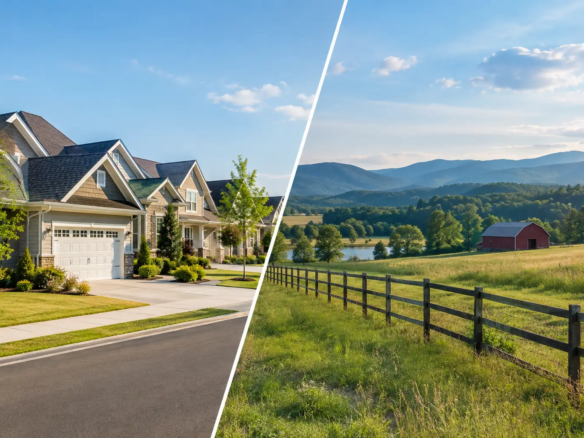
It is also smart to think about your exit before you buy. Even if you plan to keep the land for years, ask who the likely future buyer will be. A property that appeals to multiple buyer types is often easier to resell than one with a very narrow use case. For example, a parcel with legal access, buildable terrain, and flexible zoning usually has a broader market than one that works only for seasonal recreation.
Red flags that should slow you down
Some issues are manageable if the price reflects them. Others should push you to pause. Be cautious if the seller cannot clearly explain access, if parcel maps and legal descriptions do not line up, or if basic information about taxes and restrictions is hard to verify. The same goes for listings that make big claims about buildability or utilities without supporting details.
There is also a difference between a challenge and a deal-breaker. Floodplain location, wetlands, landlocked access, steep topography, or title complications do not always mean no. They do mean you need sharper due diligence and a realistic budget. Great land deals often come from seeing potential where others see work, but only when the numbers still make sense.
A practical way to use this checklist
Do not try to answer every question from the listing page alone. Use the listing to narrow your options, then verify the facts that matter most to your intended use. If you are comparing multiple properties on a land-focused marketplace like BuyVacantLand.com, keep a simple side-by-side note for access, zoning, utilities, terrain, taxes, financing options, and likely improvement costs. That makes strong opportunities stand out quickly.
The biggest advantage goes to buyers who stay excited about the opportunity without getting careless about the details. Land can open doors that traditional real estate often cannot. It can be more affordable, more flexible, and more aligned with the life you want to build. Just make sure the parcel works on paper before you picture what it could become.
A good piece of land should give you options, not surprises. If your checklist helps you avoid one expensive mistake, it has already paid for itself.
Join The Discussion